
REVIEW · EVEREST BASE CAMP TREKS
From Kathmandu Budget: 15 Day Everest Base Camp Trek
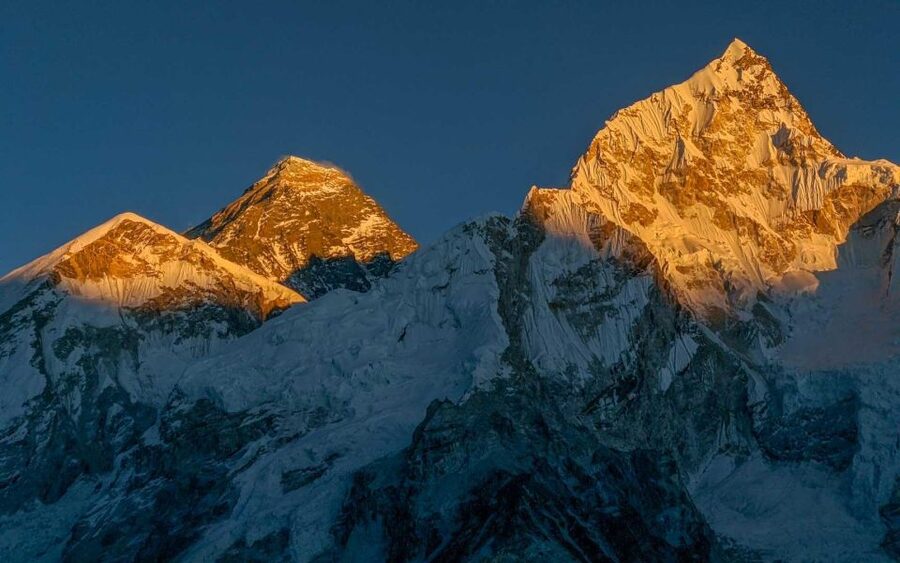
The grand payoff here is not only reaching Everest Base Camp at 5,364 meters, but climbing higher to Kala Patthar for the clearest views of Everest, Lhotse, and Nuptse. I like the route’s steady progression through Sherpa villages, monasteries, forests, and high mountain passes. I also like that you have a private guide and a flexible approach to your pace and health.
The main drawback is the long ground transfer from Kathmandu to Salleri, followed by another jeep ride before the trek really gets going. You also pay for your own meals and drinks, and emergency rescue is not included, so good travel insurance is essential.
Key points before you book
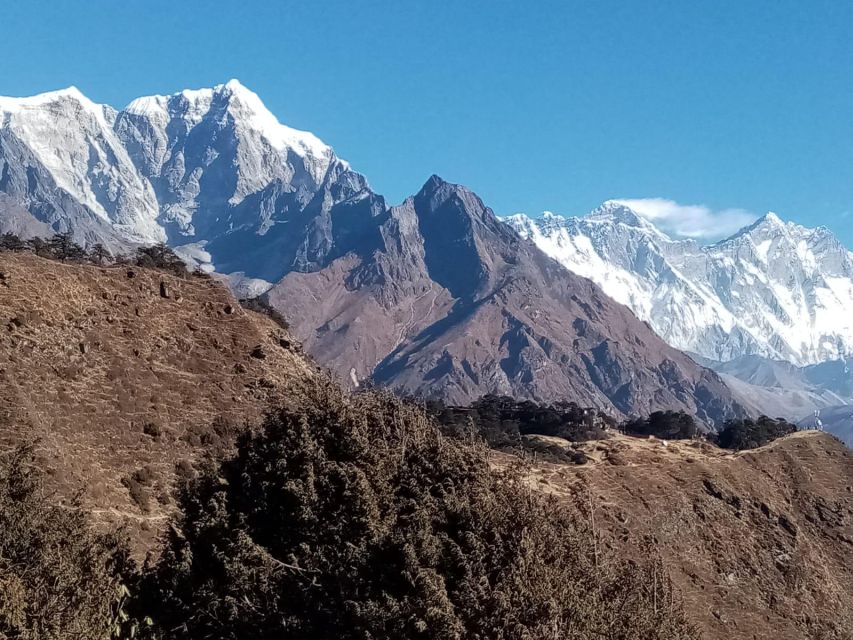
- Kala Patthar reaches 5,545 meters: This is the trip’s finest viewpoint, with broad sunrise or sunset views toward Everest, Lhotse, and Nuptse.
- The route begins by road from Kathmandu: You travel roughly 10 hours to Salleri, then continue by jeep toward Tham Danda before walking to Surkhe.
- A private guide gives you more flexibility: Guides such as Krishna and Milan are associated with this experience, and the trip can adjust to your health and walking speed.
- You spend two nights at key altitude points: Dingboche includes an acclimatization day, while Gorak Shep gives you access to Base Camp and Kala Patthar.
- The $796 price covers major trek basics: Transport, permits, guide costs, guesthouse accommodation, trekking poles, and Kathmandu transfers are included.
- Food, insurance, and rescue remain your responsibility: Budget extra for meals and drinks, and do not set off without cover for high-altitude emergency rescue.
What the $796 price really covers
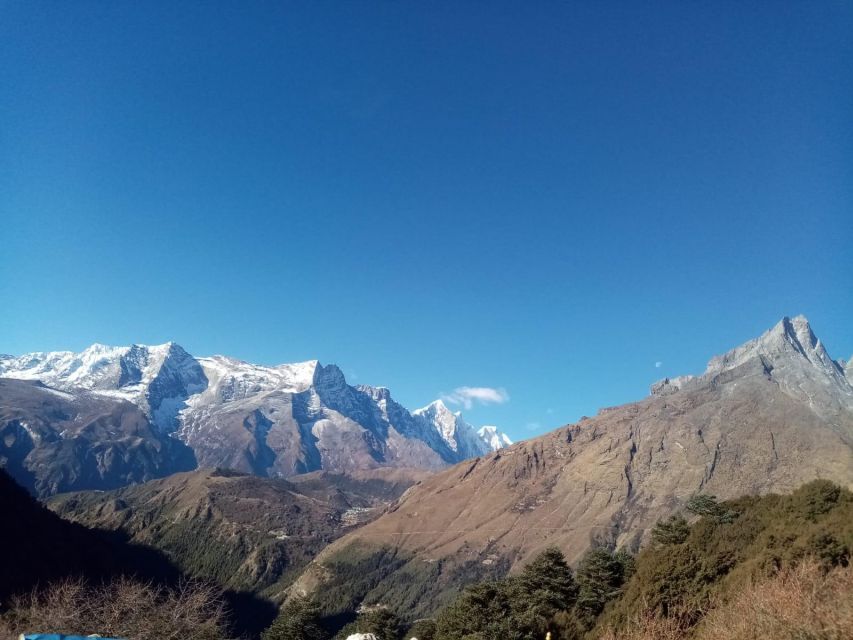
At $796 per person, this is a fairly practical way to tackle the Everest Base Camp route, especially for a private trip. The price includes pickup and drop-off in the Kathmandu area, shared bus or jeep transfers between Kathmandu, Salleri, and Lukla, official trekking permits, a guide, guesthouse accommodation, a first-aid kit, and a trekking pole.
The guide’s food, lodging, personal expenses, and insurance are also covered. That matters because guide costs can otherwise add up on a long Himalayan trip. The private format is another useful part of the deal. You are not tied to the speed of a large group, and the guide can respond if you need a slower day.
The price does not cover your food and drinks. You can buy them along the way, but you should plan for regular meal expenses throughout the trek. Travel insurance is also excluded, including the cost of emergency rescue. At this altitude, that is not a minor technicality. Check that your policy covers trekking at least as high as Kala Patthar, since the summit reaches 5,545 meters.
The accommodation is in guesthouses. That gives you the classic trekking experience rather than a polished hotel stay. Conditions can be simple, and the trip description does not promise private rooms, heating, or attached bathrooms. Pack with that level of comfort in mind.
More Everest Base Camp Treks in Nepal:
- Everest Base Camp Trek – 14 Days
★ 5.0 · 1,499 reviews - Everest Base Camp Helicopter Tour landing at Everest View Hotel
★ 5.0 · 668 reviews - Everest Base Camp Trekking
★ 5.0 · 485 reviews
The road from Kathmandu to Salleri
Day one begins early with a road journey from Kathmandu to Salleri. The stated drive is about 10 hours and roughly 266.9 kilometers, with Salleri listed at around 2,600 meters. This is a full travel day, not a gentle introduction.
The road transfer saves you from beginning with a flight, but it takes time and can be tiring. The vehicle is shared, so you should expect a practical transport experience rather than a private luxury ride. The return also uses shared road transport, which means this trek is built around access by road as much as walking.
On day two, you continue by jeep from Salleri to Tham Danda, then walk to Surkhe. The combined day takes around seven to nine hours. It is a useful reminder that this is not a trek with every mile covered on foot from Kathmandu. You get into the Khumbu region by road, then join the walking route near Lukla.
The listing gives slightly different elevations for Salleri on the outbound and return descriptions, so treat those figures as approximate. The key point is that you spend the opening and closing days in vehicles, and the middle section is the main trek.
Surkhe, Phakding, and the first suspension bridges
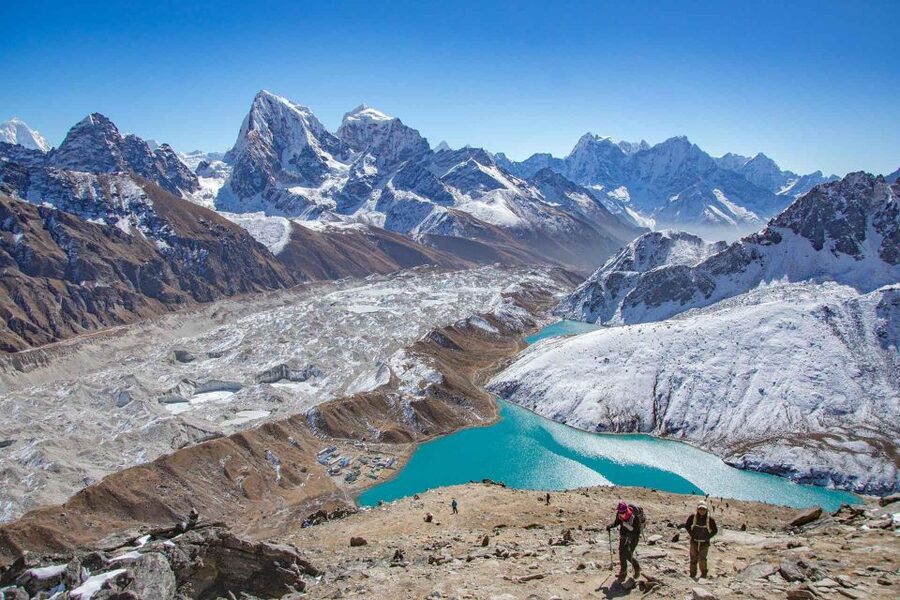
Day three takes you from Surkhe to Phakding in about six to seven hours. This is where the walking rhythm begins to settle in. You move through lower Himalayan terrain, with forest, river valleys, and the first clear sense that the route is leading toward the high peaks.
The route is known for suspension bridges crossing deep gorges. These bridges are one of the memorable physical features of the walk, though they can feel exposed if you are not used to height. Take your time, keep your hands free, and let the guide set a sensible pace.
Phakding is more than a place to sleep. It gives you a first mountain settlement experience before the route becomes steeper and higher. You will stay in a guesthouse, eat separately at your own cost, and prepare for the longer climb toward Namche Bazaar.
Namche Bazaar at 3,440 meters
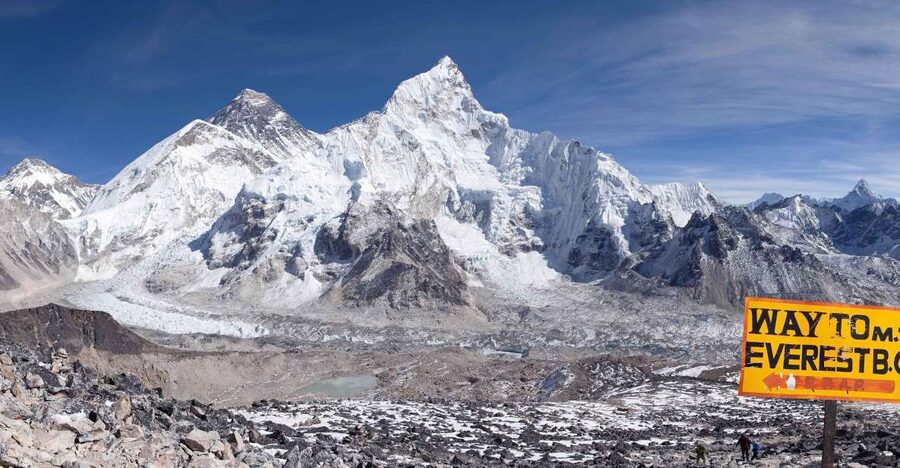
Day four leads from Phakding to Namche Bazaar, usually in six to seven hours. At 3,440 meters, Namche is one of the most important stops on the route. It is the main hub of the Khumbu area and a natural place to pause, adjust to altitude, and take stock of the trek ahead.
The route continues through steep ground and across more suspension bridges. The reward is the feel of a living Sherpa settlement rather than a simple trail camp. You will see prayer flags, mountain homes, and the working rhythm of a high valley community.
Namche is also where altitude becomes a serious concern. The schedule does not list a full separate rest day here, so listen closely to your guide and pay attention to how you feel. The private format helps because your walking speed can be adjusted more easily than in a large fixed group.
More Hiking Tours in Nepal:
- Nagarkot Sunrise View and Day Hiking from Kathmandu
★ 5.0 · 471 reviews - Annapurna Circuit Trek with Tilicho Lake
★ 5.0 · 368 reviews - Everest Base Camp Trekking – 13 Day
★ 5.0 · 365 reviews - Everest Base Camp Trek -14 Days
★ 5.0 · 321 reviews
Tengboche Monastery and the walk to Dingboche
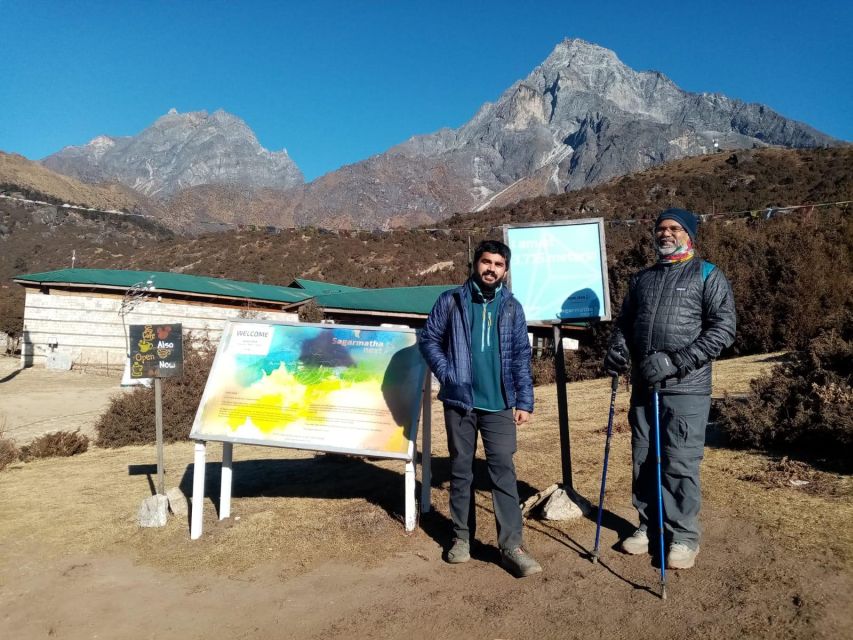
On day five, you walk about five hours to Tengboche Monastery at 3,860 meters. This is one of the cultural high points of the route. Buddhist monasteries, prayer flags, and quiet mountain surroundings give the trek a stronger sense of place than a simple peak-viewing trip.
Tengboche is also a good pause between the lower villages and the harsher upper valley. The route is no longer only about forests and bridges. The air is thinner, the settlements are more spread out, and the mountains begin to dominate your attention.
Day six continues to Dingboche, at 4,350 meters, over five to six hours. Dingboche is a key acclimatization stop because you are now at a height where the body needs time to adjust. The village gives you a base for a slower day before the final push toward Lobuche and Gorak Shep.
Dingboche acclimatization day
Day seven is set aside for acclimatization in Dingboche. This is not wasted time. It is one of the most important parts of the plan.
The schedule does not prescribe a particular activity for the day, so your exact plan should be discussed with your guide. You might take a short walk, rest, or adjust the day to your condition. Do not treat the free day as an invitation to overdo it. The aim is to prepare for the much higher elevations ahead.
This is also where the guide’s attitude matters. One of the strongest features of the experience is the reported flexibility around health and pace. Milan is described as checking in often, putting the trekker’s well-being first, and giving clear answers about the route. Krishna is also described as serious about the job and able to adapt to the group’s needs.
Those details matter more than a cheerful introduction in Kathmandu. At altitude, you want a guide who notices changes, communicates clearly, and is willing to slow the schedule when needed.
Lobuche and the high route to Base Camp
Day eight takes you to Lobuche at 4,910 meters in around five hours. By now, the route feels properly high. Walking becomes slower, the air is thinner, and every uphill section takes more effort.
The reward is the growing closeness of the great peaks. You are moving into the upper Khumbu, where the views become more severe and dramatic. The guesthouse stay is practical, and you should expect cold conditions and basic facilities.
Day nine is the hardest major walking day on paper. You trek to Everest Base Camp at 5,365 meters, then return to Gorak Shep at 5,180 meters. The full day is listed at about eight hours.
Everest Base Camp is the famous launch point for expeditions on the world’s highest mountain. Reaching it gives you the satisfaction of arriving at a real mountaineering landmark, but it is important to understand the view. Base Camp itself is not the best place for a wide panorama of Everest. The surrounding peaks and the sense of being at the foot of the expedition route are the main attractions.
You sleep at Gorak Shep after returning from Base Camp. At this height, a simple evening can feel like a major achievement. Keep your expectations practical: this is an extreme environment, and guesthouse comfort will be limited compared with Kathmandu.
Sunrise at Kala Patthar
Day ten begins with the climb to Kala Patthar, at 5,545 meters. The day is listed at about seven hours, followed by a trek to Pheriche at 4,120 meters.
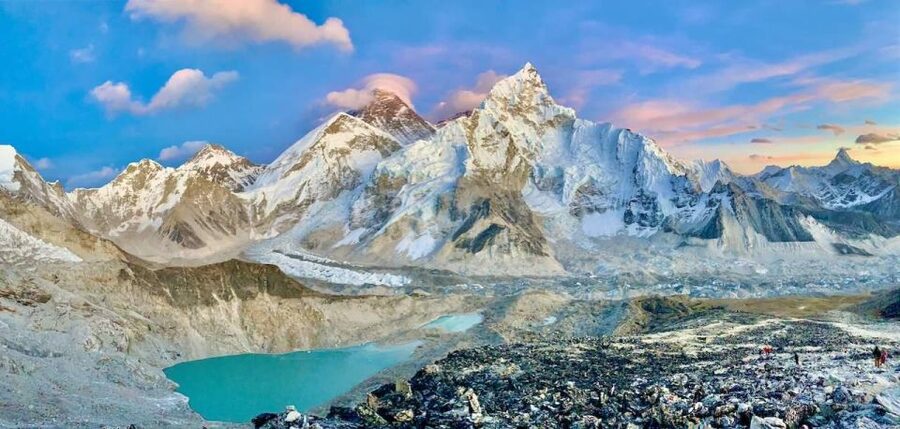
Kala Patthar is the visual high point of the trip. From this rocky summit, you get the broad view that many people hope for when they book an Everest trek: Everest, Lhotse, Nuptse, and other Himalayan peaks arranged across the horizon. Sunrise or sunset can give the mountains their finest light, though the exact experience depends on weather and the day’s timing.
The climb is physically demanding. You are already high, and the thin air makes the ascent feel much harder than the distance alone suggests. A trekking pole, warm clothing, strong hiking shoes, and a patient guide all help.
The descent to Pheriche is welcome because you lose significant altitude. That drop can make the evening feel easier, but the day remains a long one. I would treat Kala Patthar as the central goal and avoid adding extra plans around it.
Returning through Panboche, Namche, and Lukla
Day eleven takes you to Panboche, listed at 3,985 meters, in about five to six hours. This section gives your legs a break from the highest elevations while keeping you among Sherpa settlements and mountain scenery.
Day twelve returns to Namche in about seven hours. The longer descent may be easier for your breathing, but it can be tough on knees and thighs. Trekking poles are included, and this is exactly where they can help.
On day thirteen, you walk from Namche to Lukla in five to six hours. Lukla is the end of the main walking section. Reaching it marks a major change in the trip: your feet are nearly done, but the journey is not yet over.
Day fourteen uses a shared jeep from Lukla to Salleri, taking about seven to eight hours. Day fifteen returns from Salleri to Kathmandu by shared jeep or bus, with about 10 hours on the road. These final days are not glamorous, but they are part of the bargain for a road-based itinerary.
Guide support and private-trip flexibility
The private group format is one of the best reasons to consider this experience. You are not locked into the needs of a large party, and the guide can adjust the pace, rest periods, and daily walking plan around your condition.
Milan is specifically associated with careful check-ins, strong communication, and a willingness to add options or slow the day when health requires it. Krishna is described as attentive to the group and able to change the approach when needed. You should confirm your guide’s name before departure, since guide assignment may vary.
English, Nepali, and Hindi guiding are available. The guide carries a first-aid kit and has guide insurance and expenses covered. That does not replace your own travel insurance, and it does not mean that every medical or rescue cost is included.
Best times, packing, and who should book
March through May and September through November are given as the best trekking seasons. These periods generally offer more stable conditions and clearer mountain views, but Himalayan weather can change quickly at any time of year.
Bring warm clothing, hiking shoes, hiking pants, a passport or accepted copy, and a passport-sized photo. Travel insurance is required as a practical matter, even though it is listed among the items you must arrange yourself. Pets are not allowed, and the trip is not suitable for pregnant women or wheelchair users.
This trek suits you if you want the classic Everest route, can handle long walking days, and value a private guide more than hotel comfort. It is also a good fit if you want room to slow down when altitude becomes difficult.
It is less suitable if you want a quick trip, dislike long shared road journeys, or expect meals and rescue cover to be bundled into the headline price. The 15-day schedule is efficient, but it is not easy.
Should you book this Everest trek?
I would consider this a strong-value choice for a determined trekker who wants Base Camp and Kala Patthar without paying for a more polished package. The route includes the essential high points: Namche Bazaar, Tengboche Monastery, Dingboche, Everest Base Camp, Gorak Shep, and the Kala Patthar viewpoint.
The biggest selling point is the private, adaptable guide service, especially if you are paired with someone as attentive as Milan or Krishna. The biggest caution is the combination of altitude, basic guesthouses, shared transport, excluded meals, and no included rescue costs.
Book it if you are prepared for a demanding mountain trip and will arrange proper insurance before departure. Skip it if you want a soft adventure. For the right person, this gives you the famous Everest experience, with the best mountain views coming from Kala Patthar rather than Base Camp itself.
FAQ
How long is the Everest Base Camp and Kala Patthar trek?
The trek lasts 15 days, including road transfers between Kathmandu, Salleri, Lukla, and Kathmandu.
What altitude does Everest Base Camp reach?
Everest Base Camp is listed at 5,364 to 5,365 meters, or about 17,598 feet.
How high is Kala Patthar?
Kala Patthar reaches 5,545 meters, or about 18,192 feet.
Is this a private trek?
Yes. The experience is arranged as a private group trek.
Which languages can the guide speak?
Guiding is available in English, Nepali, and Hindi.
Is food included in the price?
No. Food and drinks are not included, but they are available for purchase during the trek.
Is travel insurance included?
No. You must arrange your own travel insurance. Emergency rescue is also not included and should be covered by your policy.
What transport is used between Kathmandu and the trek?
The itinerary uses a shared bus or jeep between Kathmandu and Salleri, a jeep from Salleri toward Tham Danda, and shared jeep or bus transport for the return to Kathmandu.
What is the cancellation policy?
You can cancel up to 24 hours in advance for a full refund. The experience also allows you to reserve now and pay later.
Recently added around Nepal
- Kathmandu Airport Pickup and Drop-off Services★ 5.0 · 3 reviews
- Kathmandu Paragliding★ 5.0 · 3 reviews
- Paragliding in Pokhara★ 5.0 · 3 reviews
- Pokhara: 5-Day Annapurna Base Camp Trek with Hot Spring★ 5.0 · 3 reviews
- Kathmandu Chandragiri Cable Car and Swayambhunath Private Tour★ 5.0 · 3 reviews
- Explore The Beauty Of Langtang Valley In 8-Days Trek★ 5.0 · 3 reviews
- Pokhara:4-Day Ghorepani Poon Hill Guided Trek via Ghandruk★ 5.0 · 3 reviews
- Pokhara: 7-Day Annapurna Base Camp Trek via Ghandruk★ 4.3 · 3 reviews
Other Everest Base Camp Treks worth a look


Everest Base Camp Helicopter Tour landing at Everest View Hotel
Read our review →


Everest Base Camp Helicopter Tour landing at Hotel Everest View
Read our review →

This tour also appears in