
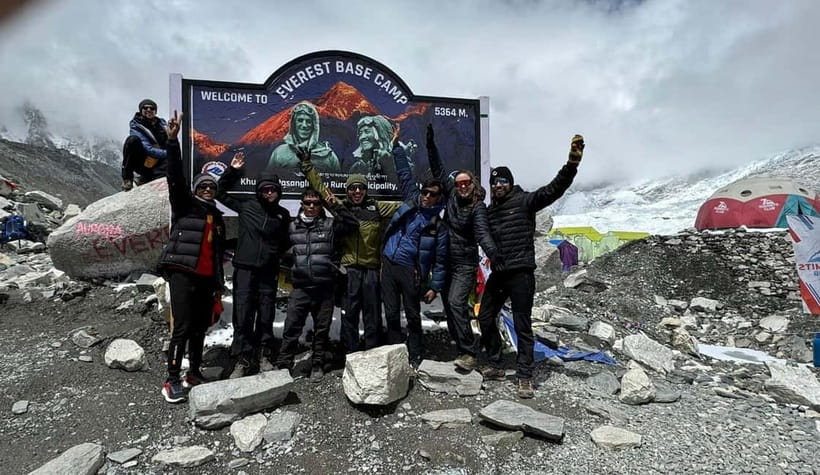
REVIEW · EVEREST BASE CAMP TREKS
Everest Base Camp Trek: A short EBC Trek to Iconic Himalaya
The finest part of this Everest Base Camp trek is how quickly it puts you into the high Himalaya. After the flight to Lukla, you walk through Sherpa villages, cross suspension bridges, and gradually trade forest for rock, ice, and huge views of Everest, Lhotse, Nuptse, and Ama Dablam. I especially like the Sherpa culture around Namche Bazaar and Tengboche, plus the clear goal of reaching the Khumbu Glacier and Base Camp.
I also like that the price includes a guide, meals, park fees, a sleeping bag, down jacket, duffle bag, and trekking pole if needed. The main caution is the pace. Nine days is short for this altitude, and the route asks you to walk 4 to 5 hours daily, sometimes more, at elevations above 4,000 meters. I would add one or two days if you want a safer, less rushed trip.
Key points to know before booking
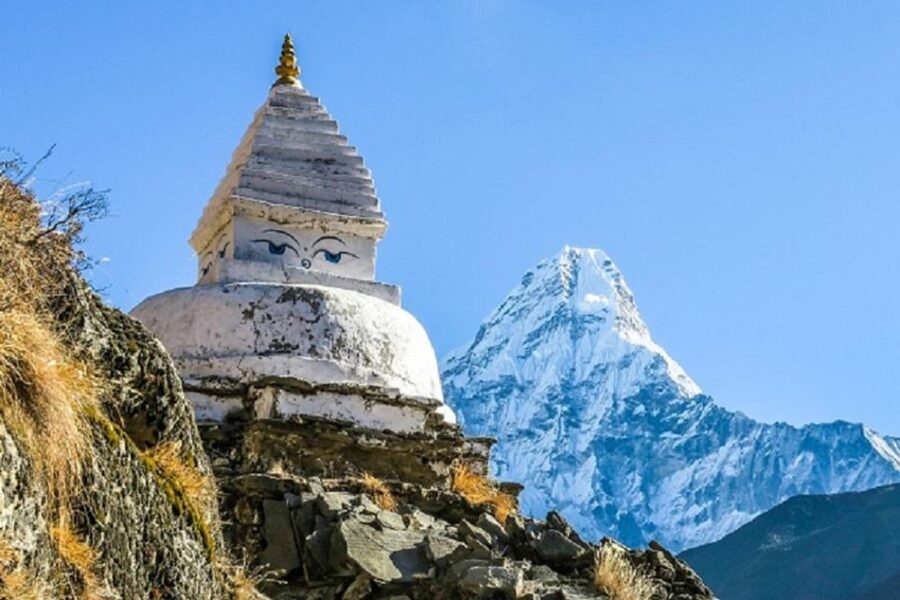
- The route reaches 5,364 meters at Everest Base Camp, with a sunrise hike to Kala Patthar at 5,545 meters.
- The nine-day schedule is physically demanding, especially because it includes both Base Camp and Kala Patthar.
- Sherpa culture is part of the journey, with time in Namche Bazaar and a visit to Tengboche Monastery.
- The $681 price is not all-inclusive, since flights, Kathmandu hotels, drinks, gear, and personal costs are extra.
- Guide support is a major part of the package, with English, Chinese, Korean, Russian, Japanese, and Traditional Chinese available.
- Mountain weather can disrupt flights, so you should keep at least one spare day before your international departure.
Why this short Everest route is so appealing
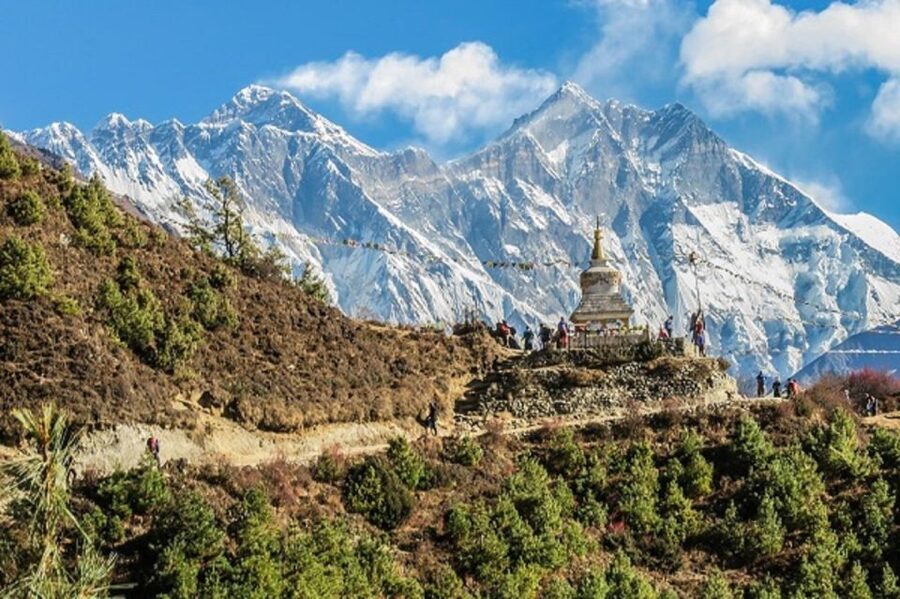
Everest Base Camp is not a quick sightseeing stop. It is a demanding mountain trek through the Khumbu region, and the nine-day plan moves at a brisk clip. You begin near Lukla at 2,860 meters and finish the main ascent at 5,364 meters, with Kala Patthar taking you even higher.
I like the way the route builds its drama. The early trail passes through rhododendron forests and local villages. Later, the trees thin out, the air gets colder, and the views open toward enormous Himalayan peaks. The change is gradual enough to feel earned, but the schedule leaves little spare time.
You will walk about 130 kilometers round trip, although the exact distance can vary with trail conditions and the chosen route. This is not a luxury lodge-to-lodge holiday. You sleep in standard trekking lodges and eat simple meals, with breakfast, lunch, dinner, and some seasonal fruit included.
The strongest reason to choose this trip is focus. You are not spending extra days on side routes. You are going directly toward Namche, Tengboche, Dingboche, Lobuche, Base Camp, and Kala Patthar. The trade-off is that your body has less time to adjust.
More Everest Base Camp Treks in Nepal:
- Everest Base Camp Trek – 14 Days
★ 5.0 · 1,499 reviews - Everest Base Camp Helicopter Tour landing at Everest View Hotel
★ 5.0 · 668 reviews - Everest Base Camp Trekking
★ 5.0 · 485 reviews
Day 1: Lukla to Phakding starts the mountain rhythm
The trip begins with an early flight from Kathmandu to Lukla. This is one of the most memorable parts of the route because the journey changes from city travel to foot travel in a matter of hours.
Flight timing depends on mountain conditions and air traffic. At busy times, the flight may leave from Ramechhap instead of Kathmandu, which means a roughly four-hour road transfer before the flight to Lukla. That is a practical detail, not a minor footnote. You should expect an early start and keep your schedule flexible.
From Lukla, you walk for about three hours to Phakding at 2,610 meters. This first day is relatively short, which gives you a useful introduction to the trail without forcing a major altitude gain right away. You will still feel the weight of your pack, especially if you are not used to walking on uneven paths.
Day 2: Phakding to Namche Bazaar brings the first real climb
The walk to Namche Bazaar takes about six to seven hours and rises to 3,440 meters. This is where the trek begins to feel serious.
Namche is the main trading center of the Khumbu and one of the most important stops for adjusting to altitude. The trail includes suspension bridges, uphill sections, and forested paths. You need to resist the urge to race ahead. A slow, steady pace is more useful than a fast start followed by a headache.
The schedule describes an acclimatization day in Namche, but the listed nine-day route does not provide a full extra day here. That is one reason I would ask the operator to confirm the exact schedule before paying. If you are new to high-altitude trekking, an additional day in Namche is a sensible upgrade rather than wasted time.
Day 3: Tengboche combines mountain views and Sherpa faith
The route from Namche to Tengboche takes about five to six hours and reaches 3,860 meters. The trail moves through forest and open sections, with views toward Himalayan peaks including Ama Dablam.
Tengboche Monastery gives the trip a cultural center. You are not only walking toward a famous mountain. You are moving through a region where Sherpa Buddhist traditions shape daily life, village design, festivals, and local hospitality.
The monastery visit is valuable because it adds meaning to the scenery. You can pause, observe the setting, and understand that the Khumbu is a home and spiritual region, not just a route to Base Camp.
Tengboche is also a place to watch your energy. The air is thinner, and the next days will take you well above 4,000 meters. Good guides should pay attention to how you are feeling, and guide support is one of the package’s more useful inclusions.
More Hiking Tours in Nepal:
- Nagarkot Sunrise View and Day Hiking from Kathmandu
★ 5.0 · 471 reviews - Annapurna Circuit Trek with Tilicho Lake
★ 5.0 · 368 reviews - Everest Base Camp Trekking – 13 Day
★ 5.0 · 365 reviews - Everest Base Camp Trek -14 Days
★ 5.0 · 321 reviews
Day 4: Dingboche marks the high-altitude turn
You walk from Tengboche to Dingboche in about five to six hours, reaching 4,410 meters. At this point, the forest becomes less important and the high mountain setting takes over.
Dingboche is listed as an acclimatization point. Again, the practical issue is timing: the basic nine-day plan does not clearly show a full rest day here. Ask for clarification, especially if this is your first trek above 4,000 meters.
I would not treat an acclimatization day as optional comfort. It gives your body time to adjust before the harder section toward Lobuche and Gorak Shep. The operator specifically recommends adding one or two days in Namche and Dingboche, and I agree with that advice for most people.
Day 5: Dingboche to Lobuche narrows the margin for error
The walk to Lobuche takes about five to six hours and reaches 4,910 meters. This is a high, exposed section where the cold and altitude can affect you more than the distance suggests.
You should expect shorter steps, more frequent pauses, and a need to drink regularly. Water, tea, coffee, and other drinks are not included, so you need to budget for them and plan your daily spending.
Lobuche is mainly a staging point for the final approach. The dramatic views become more immediate, but comfort becomes more basic. This is the point where strong fitness helps, but fitness alone does not prevent altitude sickness. You need to report symptoms to your guide rather than trying to prove anything.
Day 6: Gorak Shep and Everest Base Camp are the main test
The sixth day is the hardest on paper. You walk from Lobuche to Gorak Shep at 5,140 meters, then continue to Everest Base Camp at 5,364 meters. The total walking time is about seven to eight hours, followed by a return to Gorak Shep for the night.
The route follows the Khumbu Glacier and brings you near the famous Khumbu Icefall. The icefall is a huge glacial feature with deep cracks, towering ice, and a constantly changing surface. You view the area from the trekking route, not from the dangerous climbing route used by Everest expeditions.
Base Camp itself may not look like the summit image you have in mind. It is a working site during climbing season and can be a rough, rocky place. The reward is the journey there: the glacier, the surrounding peaks, and the knowledge that you have reached the foot of the world’s highest mountain.
This day requires patience. At 5,000 meters, even a short incline can feel long. I would keep your pack light, follow your guide’s pace, and focus on steady progress instead of speed.
Day 7: Kala Patthar delivers the best view of Everest
The early morning hike to Kala Patthar reaches 5,545 meters and is scheduled for sunrise. This is the highest point of the trek and, for many people, the visual highlight.
The climb is short in distance but demanding because of the altitude and early start. You will be cold, tired, and walking before breakfast. The reward is a wide panorama that includes Everest, Lhotse, Nuptse, and the Khumbu area in the first light.
After Kala Patthar, you descend to Pheriche at 4,371 meters in about seven to eight hours. That is a long day, but going downhill gives your lungs some relief as you lose altitude.
I consider the Kala Patthar section essential. Base Camp gives you the achievement, while Kala Patthar gives you the clearest mountain panorama. If you need to choose between rushing this viewpoint and adding acclimatization time, I would protect both by extending the trek.
Days 8 and 9: The return to Lukla is still serious travel
The walk from Pheriche back to Namche Bazaar takes about six to seven hours. This section lets you return to lower elevations and revisit the villages from a different point of view.
You may feel relief as the air gets thicker, but your legs will be tired. Downhill walking can be hard on knees, especially after the long high-altitude days. Trekking poles are included if you need one, and I would use them.
On Day 9, you walk from Namche to Lukla for about six to seven hours, then fly back to Kathmandu. The schedule is tight. Weather can delay flights from Lukla, so do not plan an international departure immediately after this trek. At least one buffer day is strongly advised.
One recent departure completed the route in eight days from Lukla, with five and a half days going up and two and a half days coming down. That pace suited a father and son who specifically wanted a quick trek, but it also shows how demanding the schedule can become. I would not copy that pace unless you are very fit and comfortable with long mountain days.
What the $681 price really covers
At $681 per person, the package can offer reasonable value, but you need to read the inclusions carefully. The price covers a trekking guide, standard trekking lodge accommodation, meals during the trek, seasonal fruit, national park and local entrance fees, TIMS, service charges, taxes, and some equipment.
The included equipment is useful. A sleeping bag, down jacket, duffle bag, and trekking pole can reduce the amount you need to buy or carry. You also receive a T-shirt or cap and a trip certificate, which are small extras rather than reasons to book.
Airport pickup and trekking-related departure assistance are included. A cultural show and farewell dinner in Kathmandu are also part of the package.
The major exclusions matter more:
- Kathmandu hotels before and after the trek
- Kathmandu to Lukla and Lukla to Kathmandu flights
- Personal trekking clothing and equipment
- Drinks, bottled water, tea, coffee, and bar costs
- Laundry, communication, and other personal expenses
- Porter service unless arranged separately
So the headline price is not your final trip budget. Add flights, hotels, food and drinks outside the trek, gear, insurance if required, and a spare night or two for weather delays. The operator can arrange flights, hotels, and porters on request, but confirm the extra charges in writing.
Guides, porters, and support on the trail
A guide is included throughout the trek, and support is available in English, Chinese, Korean, Russian, Japanese, and Traditional Chinese. Recent departures were led by Ramesh and Palden, with Sobit coordinating arrangements from Kathmandu.
That coordination matters on a route where flight times can change and mountain weather can interrupt plans. One recent trip specifically praised Sobit for providing help from Kathmandu, while Ramesh was described as attentive. Another departure highlighted Palden and the porters for being friendly and kind.
You should still ask practical questions before departure. Confirm who your guide will be, whether a porter is included or optional, how much luggage a porter can carry, and what happens if a flight is delayed. These questions are especially important on a short schedule.
Fitness, altitude, and the right kind of preparation
You should be able to walk four to five hours a day, including at high altitude. Several days are longer, with the Base Camp day and the Kala Patthar descent reaching seven to eight hours.
The operator describes the trek as suitable for physically fit people and advises beginners to add extra days. I would take that seriously. Training should focus on long walks, hills, stairs, and carrying a daypack. Strong legs help, but you also need the patience to move slowly.
Pack warm clothing, hiking shoes, a jacket, gloves, socks, hiking pants, and thermal layers. Personal adventure gear is not included, so check what the provided down jacket and sleeping bag are like before deciding what else you need.
Altitude is the biggest concern. Namche and Dingboche are important adjustment points, but the basic schedule is fast. If you develop serious symptoms, tell your guide immediately. A successful Base Camp trek is not about refusing to turn back. It is about making sound decisions.
Booking flexibility and practical limits
You can cancel up to 24 hours in advance for a full refund, and you can reserve now and pay later. That flexibility helps while you sort out flights and dates.
Airport pickup is included, but the exact time depends on your hotel location and flight schedule. If the flight leaves from Ramechhap, the road transfer changes the morning plan considerably.
The trip is not suitable for wheelchair users, babies under one year, or people over 95. Those limits are stated clearly, but the more important question is your ability to handle high altitude, uneven trails, cold conditions, and long walking days.
Should you book this Everest Base Camp trek?
I would book this trip if you want a direct, tightly planned route to Everest Base Camp and you are already comfortable with strenuous walking. The included guide, permits, meals, basic lodge stays, and loan equipment make the $681 starting price useful, provided you budget separately for flights and personal costs.
I would not choose the nine-day version if you are new to altitude or dislike rushing. Ask Bold Himalaya Treks and Travels to add one or two days in Namche and Dingboche. That small change should make the trek more comfortable and give you a better chance to enjoy Tengboche, Base Camp, and the Kala Patthar sunrise instead of simply surviving the schedule.
FAQ
How long is the Everest Base Camp trek?
The advertised trek lasts nine days, beginning with a flight from Kathmandu to Lukla and ending with a flight from Lukla back to Kathmandu. The route covers about 130 kilometers round trip.
How high does the trek go?
Everest Base Camp is at 5,364 meters. The Kala Patthar sunrise hike reaches 5,545 meters, making it the highest point on the route.
Are flights between Kathmandu and Lukla included?
No. The Kathmandu to Lukla and Lukla to Kathmandu flights are not included in the $681 price, though the operator can arrange them on request. Flights may sometimes leave from Ramechhap because of high air traffic.
Does the trip include a guide and meals?
Yes. A trekking guide accompanies you throughout the trek, and breakfast, lunch, dinner, and some seasonal fruit are included during the trekking portion.
Can I add extra acclimatization days?
Yes. The operator recommends adding one or two days in Namche Bazaar and Dingboche, especially if you are a beginner or want a more comfortable pace.
What equipment is provided?
A sleeping bag, down jacket, duffle bag, and trekking pole are available if needed. Personal adventure gear and clothing are not included, so you should bring warm layers, hiking shoes, gloves, socks, hiking pants, and thermal clothing.
Recently added around Nepal
- Kathmandu Airport Pickup and Drop-off Services★ 5.0 · 3 reviews
- Kathmandu Paragliding★ 5.0 · 3 reviews
- Paragliding in Pokhara★ 5.0 · 3 reviews
- Pokhara: 5-Day Annapurna Base Camp Trek with Hot Spring★ 5.0 · 3 reviews
- Kathmandu Chandragiri Cable Car and Swayambhunath Private Tour★ 5.0 · 3 reviews
- Explore The Beauty Of Langtang Valley In 8-Days Trek★ 5.0 · 3 reviews
- Pokhara:4-Day Ghorepani Poon Hill Guided Trek via Ghandruk★ 5.0 · 3 reviews
- Pokhara: 7-Day Annapurna Base Camp Trek via Ghandruk★ 4.3 · 3 reviews
Other Everest Base Camp Treks worth a look


Everest Base Camp Helicopter Tour landing at Everest View Hotel
Read our review →


Everest Base Camp Helicopter Tour landing at Hotel Everest View
Read our review →

This tour also appears in