
REVIEW · EVEREST BASE CAMP TREKS
Everest Base Camp Trek from Lukla
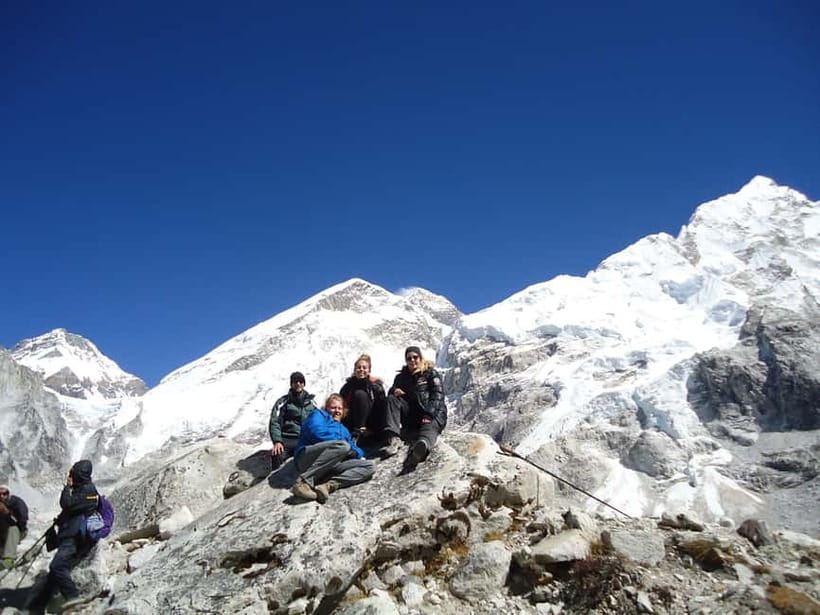
Landing at Lukla puts you straight into the Khumbu Valley, where suspension bridges, pine forests, Sherpa villages, and high Himalayan peaks replace the usual sightseeing routine. The goal is Everest Base Camp at 5,364 meters, but the sunrise from Kala Patthar is likely to be your finest mountain view.
I like the sensible acclimatization stops at Namche and Dingboche, plus the chance to visit Tengboche Monastery rather than simply race uphill. I also like the small group size, with no more than 10 people, and the practical support of a guide, porter service, tea house lodging, permits, and a first aid kit. The main caution is altitude: you will walk 5 to 7 hours most days, and the price does not include flights, travel insurance, meals, or personal costs.
Key points before you book
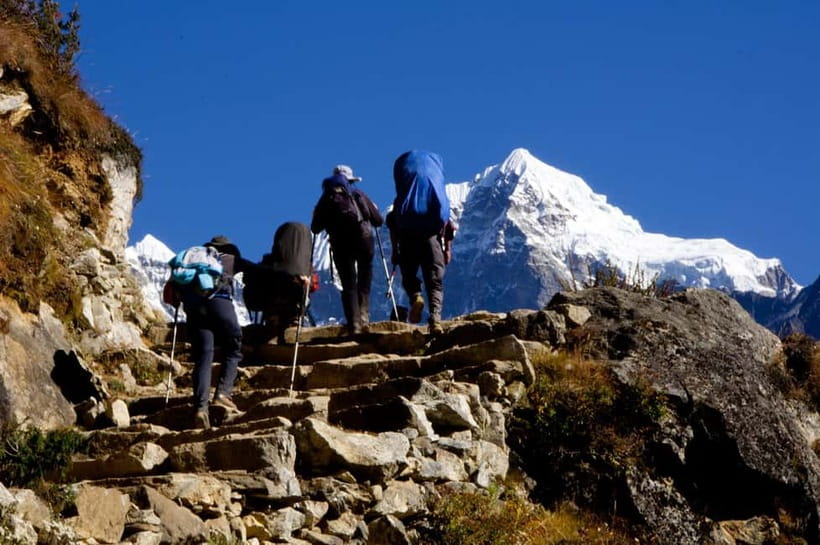
- Lukla begins the adventure: Meet your guide at Tenzing-Hillary Airport and walk directly into the Khumbu Valley.
- Two acclimatization days are built in: Namche and Dingboche give your body time to adjust before the highest sections.
- Kala Patthar may be the visual high point: At 5,545 meters, it offers a famous sunrise view of Everest and neighboring peaks.
- Tengboche adds culture: The monastery brings Sherpa spiritual life into a trek otherwise focused on mountains.
- Support is included: An English-speaking guide, porters, tea house accommodation, permits, entrance fees, taxes, and a first aid kit are part of the package.
- The low headline price needs a close look: At $466 per person, the deal is attractive, but flights, insurance, meals, drinks, internet, laundry, and visa fees are extra.
Lukla to Phakding, your first taste of the Khumbu
The experience starts at Tenzing-Hillary Airport in Lukla, where the guide meets you after you share your flight details. The airport is the practical gateway for the trek, and from here the route quickly leaves behind the noise and traffic of the lower valleys.
Your first walk leads to Phakding, a small settlement beside the Dudh Koshi River. The trail passes through forest and crosses suspension bridges, giving you an immediate sense of how different Himalayan trekking is from an ordinary mountain walk.
The published schedule describes this first section as up to eight hours, while the general guidance says five to seven hours of walking per day. Treat those figures as broad planning estimates. Pace, trail conditions, rest stops, and the group’s fitness can all change the day.
Phakding is a useful first overnight stop because the distance is manageable before the trail begins its sharper climb. You sleep in a tea house, a simple mountain lodge designed around trekkers rather than luxury. Expect basic rooms and practical communal facilities, with meals and personal extras handled separately.
More Everest Base Camp Treks in Nepal:
- Everest Base Camp Trek – 14 Days
★ 5.0 · 1,499 reviews - Everest Base Camp Helicopter Tour landing at Everest View Hotel
★ 5.0 · 668 reviews - Everest Base Camp Trekking
★ 5.0 · 485 reviews
Namche Bazaar and the first acclimatization test
From Phakding, the path climbs toward Namche Bazaar. This is the Sherpa capital of the route and one of the most memorable places on the trek, not because it is polished, but because it feels like a real mountain trading center serving villages, porters, guides, and hikers.
You can explore local markets and take in views toward Thamserku and Kongde Ri. Namche is also where the trip begins to feel serious. The air is thinner, the climbs are more demanding, and a short uphill stretch can leave you working harder than expected.
The itinerary gives you a full acclimatization day here. That is not wasted time. It helps your body adjust before you gain more height, and it gives you room to explore instead of treating Namche as a bed for the night.
I particularly like this pause because it protects the rest of the schedule. High-altitude trekking is not just about fitness. Rest, hydration, a steady pace, and watching for symptoms matter just as much. Your guide should help you make sensible decisions if anyone in the group struggles.
Namche is also a good place to organize your spending. ATMs become scarce beyond this point, so carry local currency for food, drinks, internet, laundry, and other personal costs. Do not assume the $466 package covers your daily extras.
Tengboche Monastery among rhododendrons and peaks
The route continues through rhododendron and pine forests toward Tengboche. This is one of the most appealing sections because the walk combines woodland, mountain views, and a major cultural stop.
Tengboche Monastery is one of the largest monasteries in the region and a spiritual center for monks and trekkers. Its setting is a major part of the experience, with views toward Ama Dablam, Everest, and Lhotse.
You should give the monastery proper attention rather than treating it as a quick photo stop. It offers a direct connection to Sherpa culture and shows that the Khumbu is not only a route to a famous mountain. Local life, faith, trade, and family traditions all shape the valley.
The walk to Tengboche is listed as an eight-hour hiking day. You will need comfortable shoes, warm layers, sunscreen, water, and a hat. Weather can shift quickly in the Himalayas, so keep waterproof and warm clothing easy to reach rather than buried deep in your bag.
Dingboche at 4,410 meters
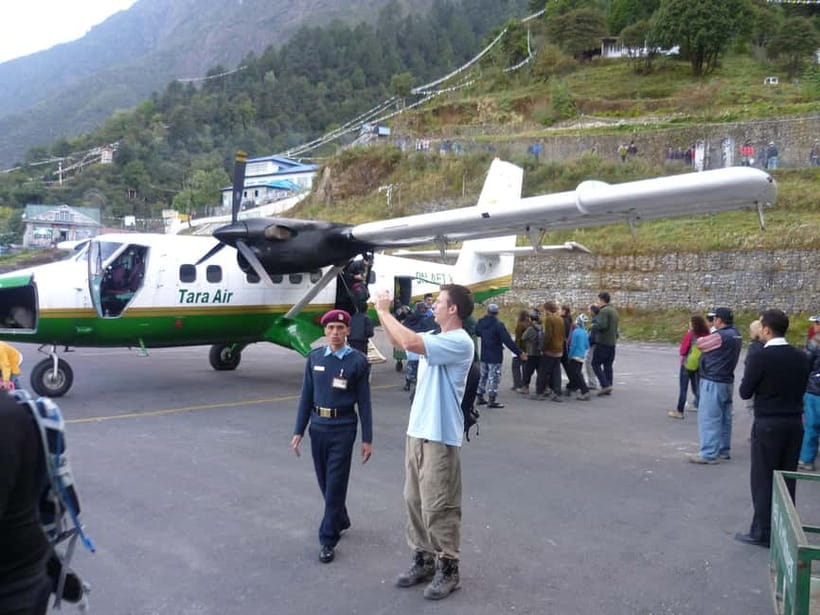
From Tengboche, the trail climbs to Dingboche, a village at about 4,410 meters. By now, the forest thins and the scenery becomes more open and severe. The mountains feel closer, but the air feels less forgiving.
A second acclimatization day is included in Dingboche. You can take a short hike, rest, and enjoy the views without adding another overnight move. That extra day is especially useful because the next stages take you into much higher country.
The itinerary describes Dingboche as a quiet village with striking views of the Himalayas. It is also the point where you should pay close attention to how your body feels. Headaches, unusual tiredness, breathlessness, or nausea should not be brushed aside simply because you are eager to continue.
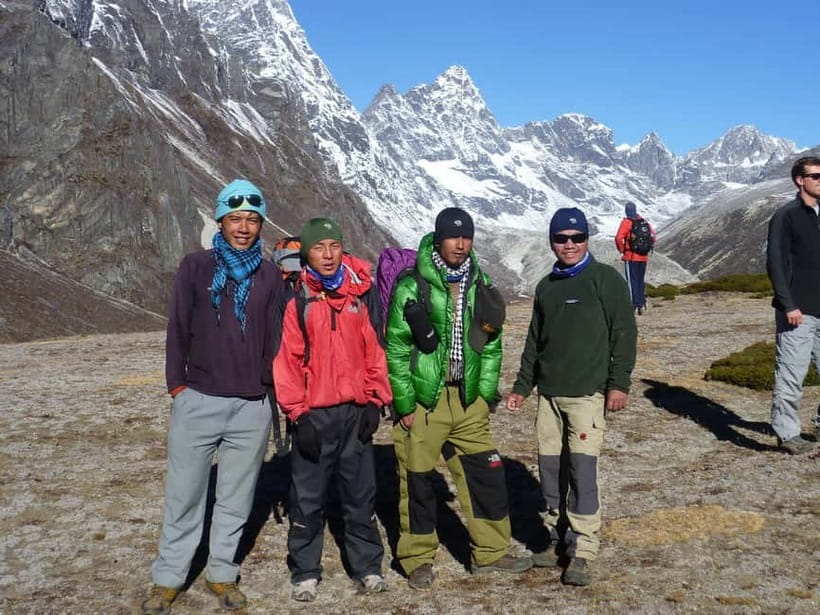
Your guide and porter team are part of the package, and the support can make a real difference here. The strongest praise for this trip centers on the trekking staff, with particular mention of guides and porters keeping the group comfortable and safe. One named guide, Tirtha, is specifically noted for helping the journey run smoothly.
More Hiking Tours in Nepal:
- Nagarkot Sunrise View and Day Hiking from Kathmandu
★ 5.0 · 471 reviews - Annapurna Circuit Trek with Tilicho Lake
★ 5.0 · 368 reviews - Everest Base Camp Trekking – 13 Day
★ 5.0 · 365 reviews - Everest Base Camp Trek -14 Days
★ 5.0 · 321 reviews
Lobuche and the changing scenery
The next walking day leads to Lobuche, a remote settlement surrounded by tall peaks. The route becomes more barren as the altitude rises. Forest gives way to rock, ice, and broad mountain views, and the sense of approaching Everest grows with every step.
This is not a section to rush. Your route is physically demanding, and even a strong hiker may find the altitude slows the day. The group size of up to 10 is helpful because it remains small enough for the guide to keep track of different paces, though you should still be honest about your condition.
Tea house accommodation keeps the trek practical, but it is not a comfort-focused holiday. Rooms are basic, and heating, showers, internet, and food choices may vary. The package includes accommodation, but meals are listed as extra. That distinction matters when you calculate the real cost.
Food on the route is intended to keep you moving rather than provide a gourmet experience. Dal bhat is a dependable local meal and was singled out as useful fuel during the trek. Bring snacks as advised, especially for long walking days when you want something quick between tea house stops.
Gorakshep and Everest Base Camp at 5,364 meters
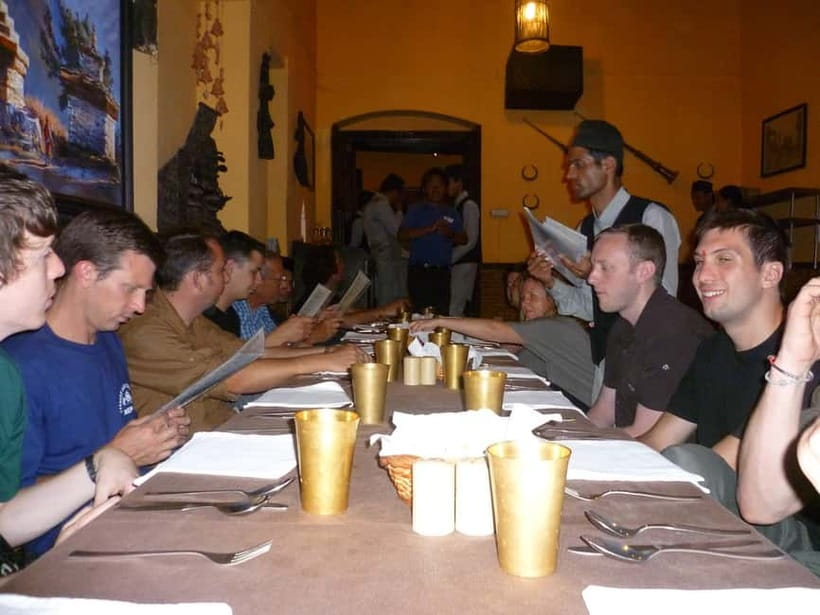
From Lobuche, you head toward Gorakshep, the final stopping point before Everest Base Camp. This is one of the hardest days because the altitude is high and the route is long, with the itinerary allowing up to eight hours of walking.
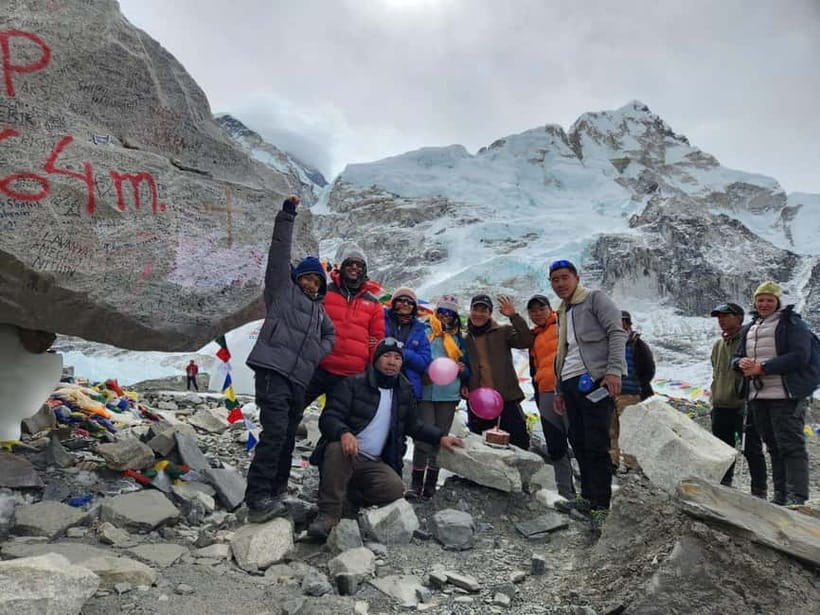
From Gorakshep, the trail continues to Everest Base Camp at 5,364 meters. Reaching the base of the world’s highest mountain is the obvious target, but it is worth keeping expectations realistic. Everest itself is not necessarily the best framed peak from Base Camp. The Khumbu Icefall and the surrounding mountains provide the drama.
The feeling here comes from effort as much as scenery. You have walked from Lukla through forests, villages, monastery country, and high rock to reach this point. The route is not a quick viewpoint visit. It asks for several days of steady work, and that is what makes the arrival meaningful.
You should also understand that Base Camp is not the highest point of the trip. Kala Patthar rises to about 5,545 meters, so the following morning can be even more demanding.
Kala Patthar sunrise and the return to Pheriche
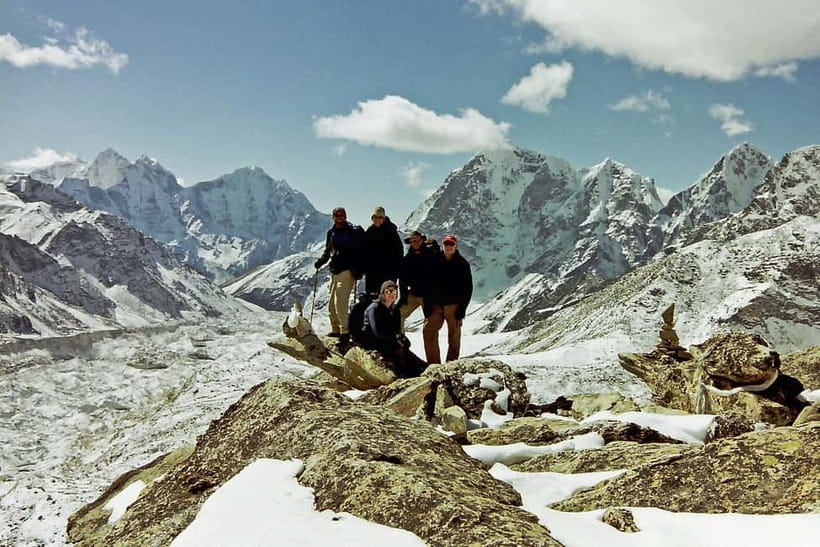
The early hike to Kala Patthar is designed for mountain views, especially around sunrise. From the top, you can look toward Everest and the surrounding Himalayan giants as the light changes across the peaks.
This is widely treated as the finest viewpoint on the route, and I can see why. The view from Kala Patthar gives you a broader picture of Everest and the high Khumbu than Base Camp does. If you are choosing where to save your energy for photographs, this is the place.
The itinerary also allows flexibility here. One group arranged a sunset visit to Kala Patthar, then went to Everest Base Camp the next morning. That change was handled by the company, showing that some adjustments may be possible, but you should confirm any change and extra cost before relying on it.
After Kala Patthar, you return to Pheriche for the night. The descent should feel easier on your lungs, but tired legs remain a real factor. Keep your pace controlled, particularly after an early start and a high summit.
Retracing the trail through Namche to Lukla
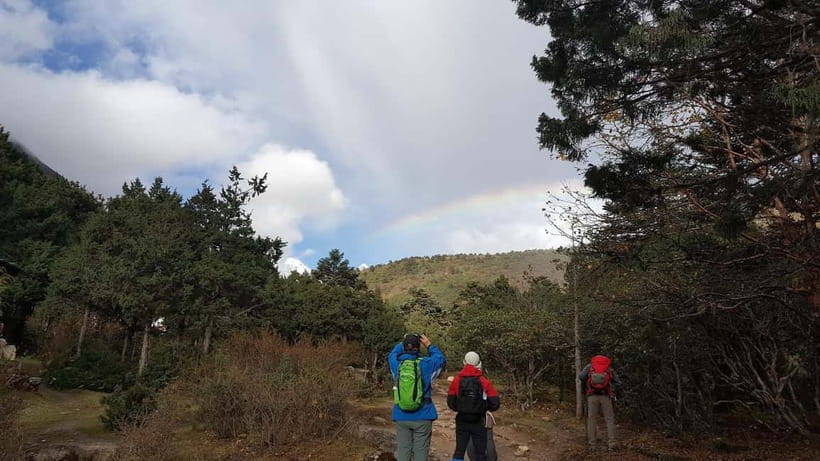
The return route passes back through the villages toward Namche. You will see familiar bridges, forests, and mountain views from a new direction, but the main benefit is that the air gets easier as you lose altitude.
The final trekking day continues from Namche to Lukla. This return walk closes the loop before your flight from Tenzing-Hillary Airport. Share your flight details in advance so the guide can arrange the airport pickup and help coordinate the endpoint.
Flight planning deserves attention. Flights to Lukla are not included in the $466 price, and assistance with ticket arrangements is available from the operator. Some arrangements may also involve transportation to Ramechhap, according to the information provided, so ask for the current flight plan before you book.
The schedule describes 12 trekking days and lists arrival back at the airport after the Lukla return. Because flight timing and mountain weather can affect plans, leave flexibility around the trek if your wider Nepal itinerary is tightly timed. The provided schedule does not promise a guaranteed same-day onward connection.
What the $466 price really covers
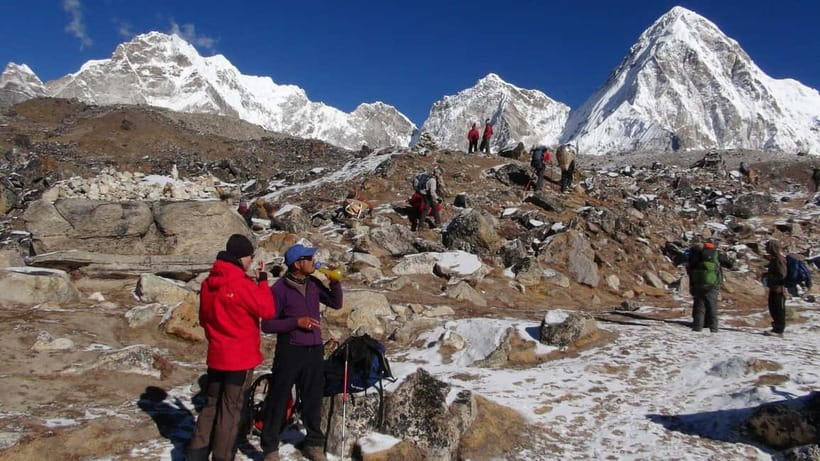
At $466 per person, this is a low entry price for a guided Everest Base Camp trek. The value comes from the services that are included: an English-speaking guide, tea house accommodation, permits and entrance fees, porter service, a first aid kit, and applicable taxes.
That list removes several major planning tasks. You do not need to arrange a local guide or porter separately, and you have help with the route, accommodation, and basic safety support. A small group of no more than 10 also gives you a more personal setup than a large walking party.
Still, budget carefully. Flights are extra, as are meals, beverages, laundry, internet, personal expenses, visa fees, and travel insurance. The company can help with Lukla flights and has arranged meals and extra porter support for some groups, including a reported 10 percent discount on meal prices in one arrangement. Confirm the current rates in writing.
Insurance is not a minor add-on. You need cover that specifically includes high-altitude trekking. The activity is not suitable for pregnant women, people with mobility impairments, people with heart problems, or people prone to seasickness, according to the supplied safety information.
Free cancellation is available up to 24 hours before the activity for a full refund, and you can reserve now and pay later. Those policies are useful if your Nepal plans are still taking shape, but they do not remove the need to check flight conditions and insurance terms.
What to pack and how to prepare
Start with comfortable walking shoes and warm clothing. Add a hat, sunscreen, water, snacks, and a camera. The packing list is short, but the mountain demands layers because conditions can change quickly.
Carry local currency beyond Namche, where ATMs are scarce. Budget for meals and drinks each day, as well as small personal costs such as laundry or internet.
The trek requires no technical climbing equipment in the information provided, but it does require stamina. You should be ready to walk for five to seven hours most days, with some schedule entries allowing eight hours. The acclimatization days are helpful, but they do not make altitude harmless.
Alcohol and drugs are not allowed, and littering is prohibited. Those rules are basic, sensible, and especially important in a high mountain environment where waste removal is difficult.
Who this Everest trek suits best
I would recommend this trip to fit hikers who want a guided route with practical support and a clear schedule. It suits you if you value scenery, Sherpa culture, tea house stays, and the achievement of reaching Base Camp more than hotel comfort.
It is also a good choice if you want help with the logistics. The guide, porters, permits, and airport pickup reduce the number of moving parts. The staff support received the strongest praise, with guide Tirtha, porters, and the wider Peregrine team receiving particular recognition for preparation and care.
You should think twice if you dislike basic accommodation, long walking days, uncertain mountain weather, or extra costs that are not included in the headline price. This is not a gentle sightseeing tour. It is a high-altitude trek with real physical demands.
Should you book the Lukla to Everest Base Camp trek?
Book it if you want a supported, small-group route with two acclimatization days, a visit to Tengboche Monastery, and both Everest Base Camp and Kala Patthar on the schedule. The $466 price can be strong value once you understand what is included and set aside money for flights, meals, insurance, and personal expenses.
Before paying, ask for the current Lukla flight plan, meal costs, porter arrangements, and any transport connection through Ramechhap. If you are fit, prepared for basic tea houses, and willing to move at a patient pace, this trek gives you a well-supported way to experience the Khumbu Valley and reach one of the world’s great mountain goals.
FAQ
How long is the Everest Base Camp trek from Lukla?
The activity is advertised as a 12-day trek. The schedule begins at Tenzing-Hillary Airport in Lukla and returns to Lukla before arrival back at the airport.
What is included in the $466 price?
The price includes an English-speaking professional guide, tea house accommodation, permits and entrance fees, porter service, a first aid kit, and applicable taxes.
Are flights to Lukla included?
No. Flights are not included. You must share your flight details so the guide can meet you at the airport, and the operator can assist with issuing flight tickets.
How much walking should I expect each day?
The general guidance says five to seven hours of walking daily. Several itinerary entries list hiking days of up to eight hours.
Are acclimatization days included?
Yes. The schedule includes an acclimatization day in Namche Bazaar and another in Dingboche to help you adjust to the altitude.
Is travel insurance required?
Travel insurance is not included, and you should arrange adequate insurance covering high-altitude trekking before starting the trip.
Recently added around Nepal
- Kathmandu Airport Pickup and Drop-off Services★ 5.0 · 3 reviews
- Kathmandu Paragliding★ 5.0 · 3 reviews
- Paragliding in Pokhara★ 5.0 · 3 reviews
- Explore The Beauty Of Langtang Valley In 8-Days Trek★ 5.0 · 3 reviews
- Pokhara: 5-Day Annapurna Base Camp Trek with Hot Spring★ 5.0 · 3 reviews
- Kathmandu Chandragiri Cable Car and Swayambhunath Private Tour★ 5.0 · 3 reviews
- Pokhara:4-Day Ghorepani Poon Hill Guided Trek via Ghandruk★ 5.0 · 3 reviews
- Pokhara: 7-Day Annapurna Base Camp Trek via Ghandruk★ 4.3 · 3 reviews
Other Everest Base Camp Treks worth a look


Everest Base Camp Helicopter Tour landing at Everest View Hotel
Read our review →


Everest Base Camp Helicopter Tour landing at Hotel Everest View
Read our review →

This tour also appears in