
REVIEW · POKHARA TOURS
Pokhara: 3-Day Trek
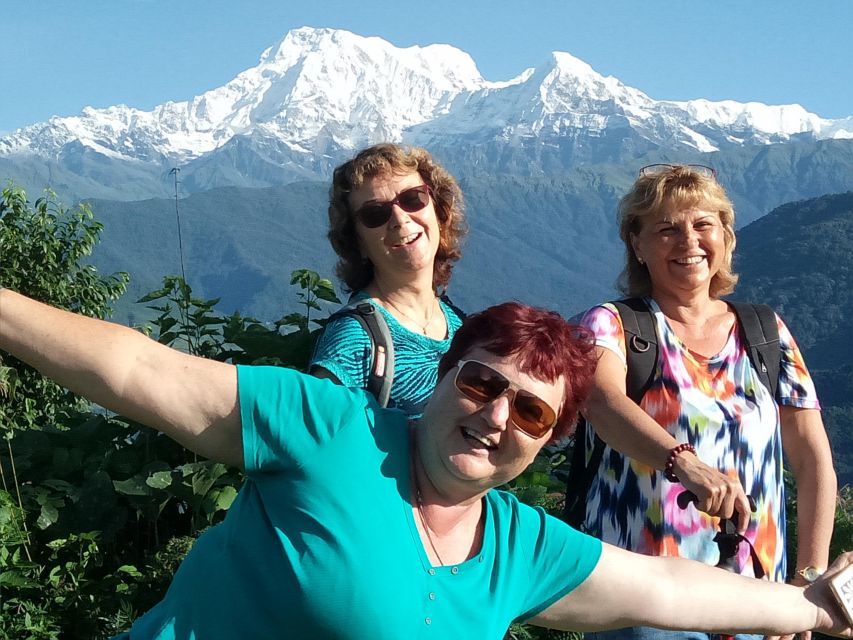
Pokhara’s lakeside streets are only a short drive from quiet Himalayan trails. This three-day route takes you through Dhampus, Pothana, Australian Camp, and Astam, with sunrise over the Annapurna Range, village paths, forest sections, and comfortable lodges rather than hard camping. I like the easy-going pace and the fact that your guide and porter handle the practical work. I also like the hot showers and attached bathrooms, a real treat after a day on foot.
The main catch is that meals are not included, despite some past confusion about food arrangements. You order directly at the lodges and pay separately. The route is gentle by Himalayan standards, but it still includes uphill and downhill walking on uneven trails, so it is not suitable for people with mobility impairments or pregnant women.
Key points at a glance
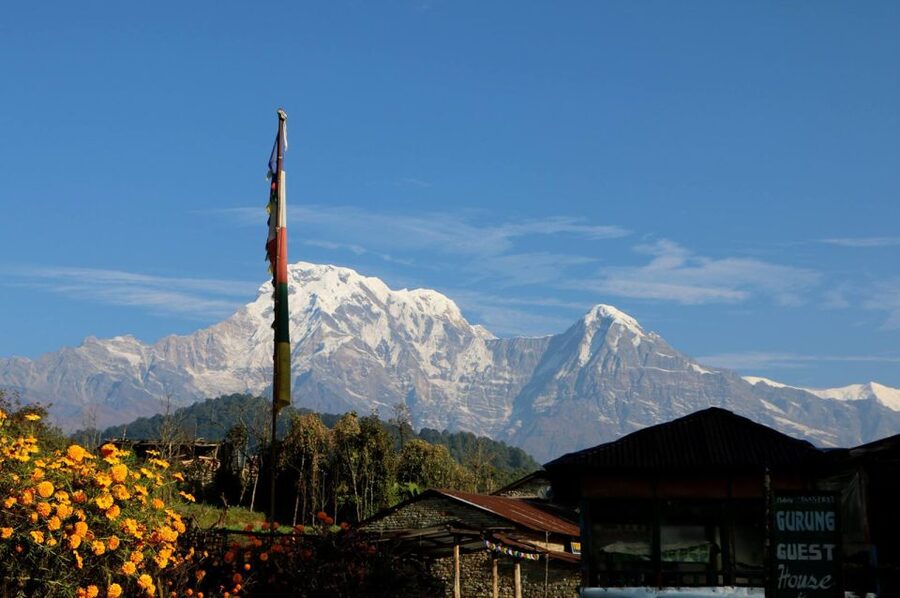
- Australian Camp sunrise: Sleep in a small teahouse settlement above Dhampus, with early views toward Annapurna and Machhapuchhre.
- A short Himalayan introduction: Walk for roughly four hours on the longer days, with options to drive higher and shorten the route.
- Village and forest scenery: Expect terraces, rhododendron forest, ridge paths, traditional settlements, and wide views across the Pokhara valley.
- Astam Eco Village: Spend the second night at a hilltop resort with attached bathrooms, organic farming, rainwater collection, and reused water.
- Private support: A licensed English-speaking guide leads the walk, while porters carry luggage to the overnight stops.
- Good comfort for the price: At $250 per person, transport, lodging, guide, and porter are covered, but meals and insurance are extra.
Why this short trek works so well from Pokhara
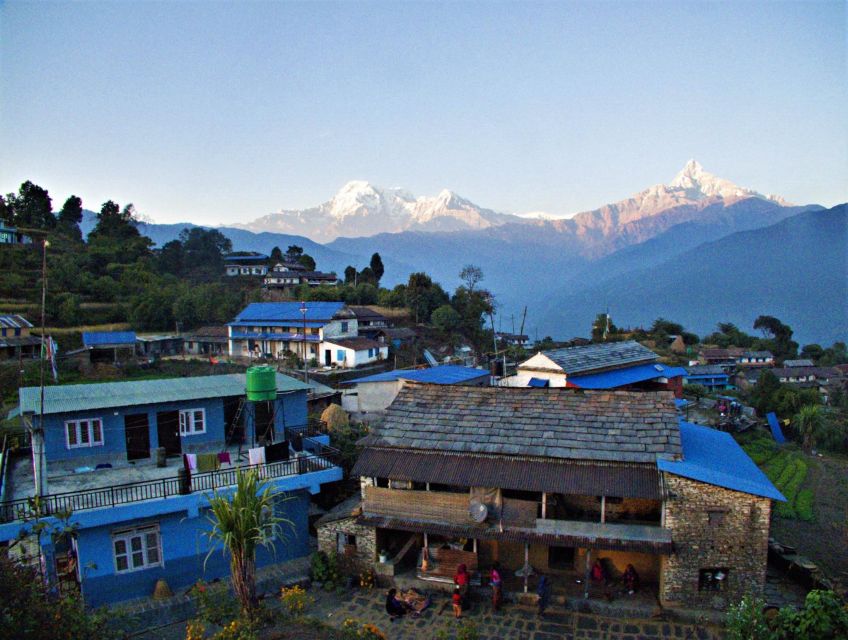
Many people want a taste of Himalayan trekking but do not want to commit to a week or more in remote mountain country. This route solves that problem neatly. You leave Pokhara in the morning and quickly trade city traffic for ridge trails, farm terraces, forest, and small settlements.
The walk is based around lodges, often called teahouses in Nepal. That means you are not carrying camping gear or sleeping in a tent. Both overnight stops are described as having private rooms with attached toilets and hot showers, which makes this a more comfortable choice than a basic high-altitude trek.
I would think of it as a trekking sampler, not an expedition. You still get the rhythm of walking between villages, eating at simple mountain lodges, and waking up near snowy peaks. But you return to Pokhara after three days, before the physical demands and rougher facilities of a longer route become an issue.
The private format is another strong point. Your guide can adjust the amount of walking to your pace, and there are several ways to drive higher at the start if you want a shorter day. That flexibility matters if you are new to trekking, traveling with different fitness levels, or working around a tight Nepal schedule.
More Hiking Tours in Pokhara
- Poon hill Trek 3 days
★ 5.0 · 176 reviews - Trekking in Annapurna/Langtang/Everest/Upper Mustang regions
★ 5.0 · 161 reviews - Pokhara: 4-Day Ghorepani, Poonhill & Ghandruk Mountain Trek
★ 5.0 · 132 reviews
Day 1: Naudanda, Dhampus, Pothana, and Australian Camp
Pickup is included from hotels in the Lakeside area of Pokhara. The drive to Naudanda takes about half an hour, placing you on the western rim of the Pokhara valley. Hotels outside the Phewa Lakeside area may require an additional pickup charge, so confirm that point before departure.
From Naudanda, the trail gradually drops toward a stream before climbing to Dhampus. This first uphill section takes about two hours. It is not a technical walk, but you will feel the change from city sightseeing to real trail work. Comfortable shoes are essential, especially on sections that can be uneven or damp.
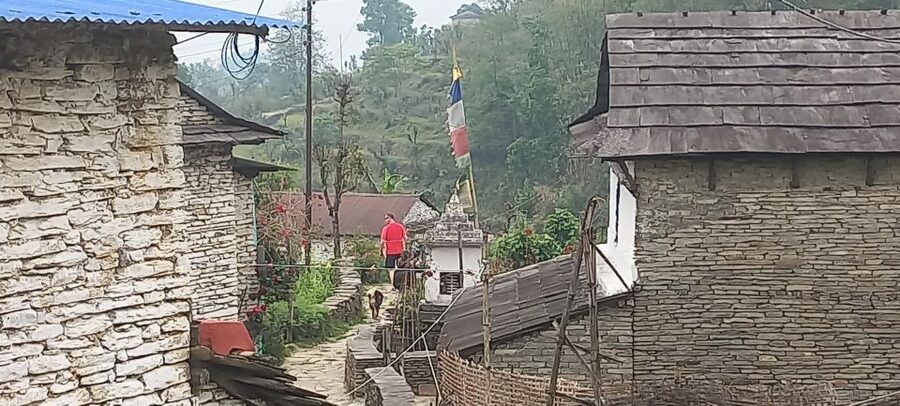
Dhampus is one of the main settlements on this route, and the walk gives you a close view of rural life in the Annapurna foothills. You pass terraces where seasonal crops are grown and see how homes, farms, and footpaths fit together on steep ground. The cultural side of the walk is not staged as a formal performance. It comes through in the ordinary details, with your guide explaining the places and people along the way.
The route continues for about an hour to Pothana, where you stop for lunch. Meals are not included in the $250 price, but the teahouses serve simple international dishes that you can order and pay for directly. Ask your guide how meal timing and payment will work at the start, since one past departure had a mix-up over what was included.
After lunch, it is about 30 minutes to Australian Camp. The short final section is welcome because the first day already includes a descent, a climb, and several hours on foot. Australian Camp is a small group of teahouses in rhododendron forest above Dhampus, and it is best known for its open Himalayan views.
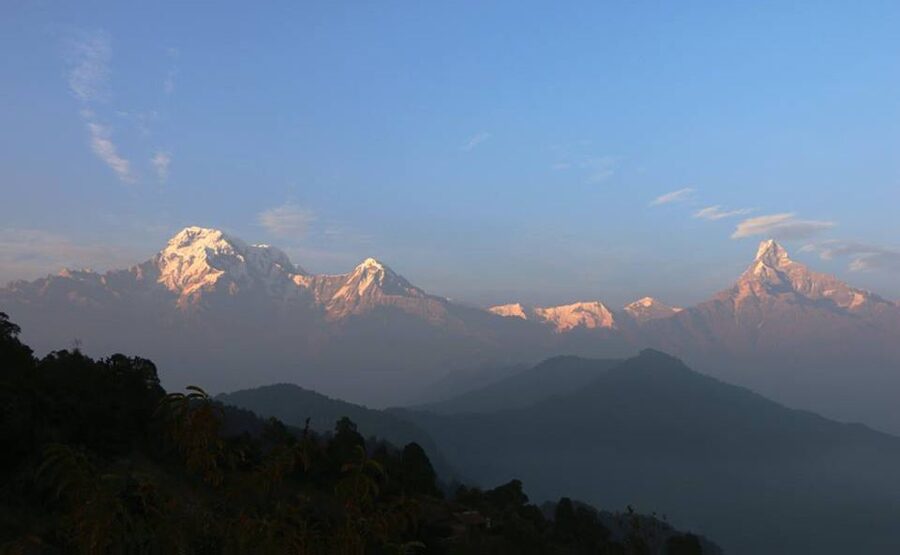
The location is the real prize here. If the sky is clear, sunrise can bring a broad view of the Annapurna Range, with the snowy peaks catching the early light while the valley remains shaded. Sunset can also be excellent, although mountain weather is never guaranteed. Bring sunglasses for the bright morning and afternoon glare.
The teahouses at Australian Camp have served trekkers for many years. Your room should have an attached toilet and bathroom with a hot shower, but keep your expectations practical. This is a mountain lodge, not a city hotel. The comfort is valuable because it lets you experience the ridge without giving up basic privacy and warmth.
Day 2: A four-hour ridge walk to Astam
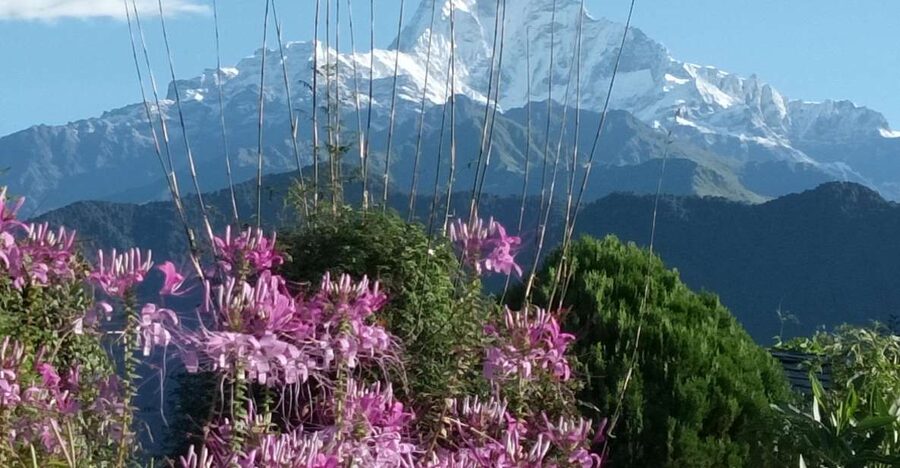
The second morning starts with breakfast and a Himalayan view. This is the day when the route feels most like a classic ridge trek. Instead of making a long ascent, you follow a scenic high path toward Astam, with the Pokhara valley spreading below and the Annapurna peaks forming a dramatic northern wall when conditions are clear.
The walking time is about four hours, though the private format allows the guide to set a sensible pace. The route passes through changing scenery. At one point you may be on an exposed ridge with wide views, and later you can find yourself among forest or walking through a traditional village. That variety keeps the day interesting without requiring extreme endurance.
Past route notes describe stretches through jungle, and the changing vegetation is one of the pleasures of this trek. Carry sunscreen and mosquito spray. You will also want water, sunglasses, and a small daypack for items you need during the walk, while your porter carries the main luggage.
Your guide is an important part of this day. Guides named on previous departures include Jit, Prabin, Dansay, and Basanta. Their roles go beyond finding the trail. A good guide can explain local customs, identify plants and wildlife, share mountain stories, and help you judge when to stop or slow down. One guide, Prabin, was particularly valued for his explanations of Nepalese plants, animals, and mountain life.
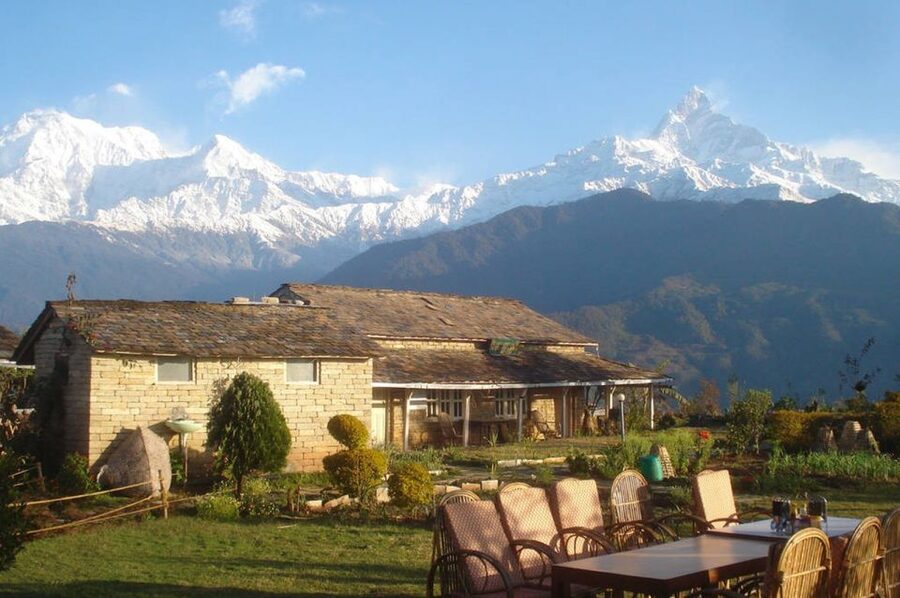
The walk ends at Annapurna Eco Village Resort in Astam. The resort is on a hilltop, so the setting remains scenic rather than simply functional. Rooms are described as simple but comfortable, with private bathrooms and toilets. After Australian Camp, the change in setting gives the trek a pleasant two-part rhythm: forest lodge first, village eco-resort second.
Astam’s eco-friendly work adds substance to the overnight stay. The village and resort reuse water, collect rainwater, and support organic farming. You can learn how the farm operates and how the community handles resources in a mountain setting. This is a useful contrast with simply looking at mountain views, since it connects the countryside to everyday work and local choices.
Organic meals can be ordered at the resort, but they remain an extra cost. Past feedback describes the food as fresh, varied, and enjoyable, though you should still treat meals as pay-as-you-go. If dietary needs matter to you, ask what can be prepared before you set out.
Day 3: Downhill walking and the return to Pokhara
The final day is shorter, with about two hours of walking downhill to the highway. That sounds easy, but downhill trails can put more pressure on knees than a gradual climb. Take your time, use care on uneven sections, and tell your guide if you need a slower pace.
The route finishes at the road, where private transport takes you back to Pokhara. This arrangement keeps the trip efficient. You get a proper rural walking experience without spending a full fourth day retracing the route or waiting for public transport.
Because the drive back is included, the trek works well for people who want to continue sightseeing in Pokhara after lunch or who have onward plans. The exact return timing depends on walking speed and road conditions, so avoid scheduling a flight immediately afterward.
A different kind of day from the same base:
- ZipFlyer Nepal – The World’s Steepest Zip-line
★ 5.0 · 608 reviews - Bungee Pokhara by HighGround Adventures
★ 5.0 · 366 reviews - From Pokhara: Sarangkot Sunrise Himalayas Tour
★ 4.7 · 218 reviews - ATV Adventure Tour in Pokhara, Nepal
★ 5.0 · 194 reviews
The views, villages, and changing terrain
The Annapurna Range is the visual focus, but the walk is not just a mountain-view outing. The trail moves through several types of countryside, and each one gives the trek a different mood.
At higher points, the ridge opens toward the valley and snowy peaks. Around Dhampus and Pothana, terraces and village homes bring the agricultural setting into view. Forest sections offer shade and a closer look at the vegetation of the foothills. Astam adds the working side of rural Nepal through its organic farm and water-saving projects.
The best mountain views are most likely at sunrise and sunset, when the light is softer and the peaks can turn pink or gold. Clouds can cover the Annapurna Range, particularly outside the clearest periods, so you should see the views as a strong possibility rather than a guarantee.
Machhapuchhre, also known as Fishtail, is part of the mountain setting around the route. The trek is closer to Fishtail and the Annapurna Himalayas than to the high mountain passes and extreme elevations associated with longer Himalayan journeys. That helps explain why the route can feel adventurous without being punishing.
How difficult is the three-day route?
The route is widely described as accessible and not especially tiring, but accessible does not mean flat. Day 1 includes a climb to Dhampus, Day 2 is a ridge walk, and Day 3 descends to the highway. You need to be comfortable walking for several hours and handling uneven ground.
I would rate it as a gentle to moderate introduction to trekking. It suits someone who walks regularly and wants a real mountain route without a demanding altitude schedule. It can also work for a first-time trekker if you pace yourself and listen to the guide.
The private arrangement helps. You can stop for photos, take breaks, and adjust the walking distance. There are options to drive higher and shorten the route, which is useful if weather, energy, or time becomes a concern.
This is not the right choice if you need step-free access or cannot manage trail walking. The activity is specifically unsuitable for people with mobility impairments and pregnant women. Your travel insurance should also cover trekking, since insurance is not included.
Lodges, guides, porters, and meals
The overnight comfort is one of the strongest reasons to choose this trek. Both stays are described as having en-suite bathrooms and hot showers, which is more than you should assume on many mountain routes. The rooms are still simple, and you should pack as you would for a lodge trek rather than expect full hotel service.
A professional, licensed, and experienced guide leads the walking. The guide arrives by car on departure day, and the operator meets you at your hotel one day earlier for a briefing. That meeting is useful. You can discuss the route, confirm the start time, check what the porter will carry, and clear up the meal arrangements before leaving Pokhara.
Porters carry your luggage to each destination. Pack a small day bag with water, sunglasses, sunscreen, a light layer, and anything you need during the walk. Keep valuables and important documents with you rather than in the main luggage.
Meals are the main extra expense. Breakfast, lunch, and dinner can be ordered at the teahouses and resort, then paid for directly. The food is described as simple but tasty, with international choices at the lodges and organic meals available at Astam. Since no meal budget is supplied, ask the operator for current menu prices if you need to plan closely.
Is $250 per person good value?
At $250 per person, this is not the cheapest way to walk near Pokhara, but it bundles several useful services. The price includes private transport to and from the trailhead, two nights of lodge accommodation, a trekking guide, and a porter.
That package is valuable if you want a private experience and do not want to arrange separate transport, rooms, and trail support. The en-suite bathrooms and hot showers also add comfort that basic budget trekking packages may not provide.
You still need to budget for meals, travel insurance, and possibly an extra pickup charge if your hotel is outside Lakeside. Those costs do not make the trip poor value, but they should be part of your real total. Confirm the food policy in writing before you go, especially because one departure had confusion over whether meals were included.
Free cancellation up to 24 hours before departure and reserve-now, pay-later booking add flexibility. Starting times depend on availability, so confirm the schedule rather than assuming every day begins at the same hour.
Who should book this trek?
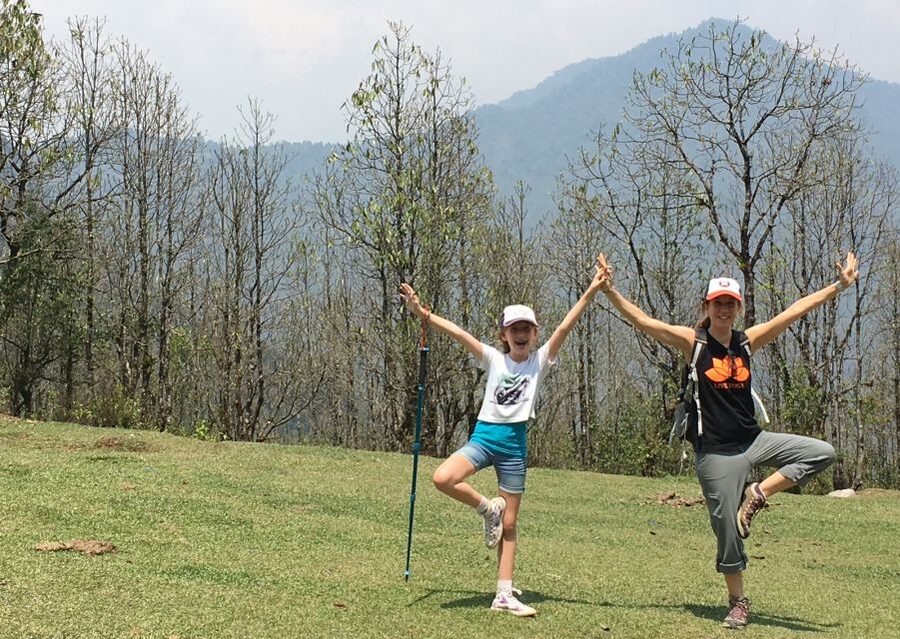
I would recommend this route to you if you want mountain scenery, village life, and a taste of trekking without giving up comfortable accommodation. It is especially suitable for a short Nepal visit, a first Himalayan walk, or a traveler who wants a private pace.
It also suits people who care about the human side of a route. The guide can explain local culture, farms, plants, wildlife, and mountain stories, while the stays in Dhampus and Astam bring you into smaller communities rather than keeping you in Pokhara.
You may want a longer or harder trek if your main goal is high-altitude adventure, remote valleys, or a major mountain pass. This route stays in the foothills and returns quickly to the city. Its strength is balance, not extreme challenge.
Should you book the Pokhara three-day trek?
Book it if you want a well-supported introduction to Himalayan walking, with sunrise views, village trails, short daily distances, and private lodge rooms with hot showers. The route offers plenty of scenery and local contact without demanding a large time commitment.
Before paying, confirm your Lakeside pickup, departure time, guide arrangements, porter service, and the fact that meals are extra. Bring broken-in walking shoes, sunglasses, sunscreen, mosquito spray, and insurance that covers trekking.
For a gentle three-day escape from Pokhara, the mix is convincing: Australian Camp for the sunrise, Astam for the eco-village experience, and a guide who can turn a pleasant walk into a more informed one. If you want comfort and flexibility more than a hard physical test, this is a sensible choice.
FAQ
How long is the Pokhara trek?
The experience lasts three days. Walking time is about three and a half hours on Day 1, four hours on Day 2, and two hours downhill on Day 3, not including driving, breaks, and meals.
Where does the trek go?
The route begins near Naudanda and continues through Dhampus and Pothana to Australian Camp. On the second day, you walk along a ridge to Astam. The final day descends to the highway before the drive back to Pokhara.
What accommodation is provided?
You spend the first night at a teahouse in Australian Camp and the second night at Annapurna Eco Village Resort in Astam. Both are described as having rooms with attached bathrooms and toilets, including hot showers.
Are meals included?
No. You can order meals directly at the teahouses and resort and pay for them separately. The lodges serve simple international food, and organic meals are available at Annapurna Eco Village Resort.
Is pickup from my Pokhara hotel included?
Pickup is included for hotels in the Lakeside area of Pokhara. Hotels away from Phewa Lakeside may require an additional charge.
What should I bring?
Bring comfortable walking shoes and sunglasses. Sunscreen and mosquito spray are also useful items to pack, based on the trail conditions and vegetation described for the route.
Is the trek suitable for everyone?
No. It is not suitable for pregnant women or people with mobility impairments. You should also have insurance that covers trekking, since insurance is not included in the price.
More 3-Day Experiences in Pokhara
- From Pokhara: 3-Day Ghorepani Poon Hill Trek with Guide
★ 4.9 · 68 reviews - Pokhara: 3-Day Ghorephani and Poon Hill Private Trek
★ 5.0 · 58 reviews - 3-Day Poon Hill Trek from Pokhara.
★ 5.0 · 45 reviews - From Kathmandu/Pokhara: Private 3-Day Chitwan Safari Tour
★ 4.7 · 34 reviews
Recently added around Pokhara
- Paragliding in Pokhara★ 5.0 · 3 reviews
- Pokhara: 5-Day Annapurna Base Camp Trek with Hot Spring★ 5.0 · 3 reviews
- Pokhara: 7-Day Annapurna Base Camp Trek via Ghandruk★ 4.3 · 3 reviews
- Pokhara:4-Day Ghorepani Poon Hill Guided Trek via Ghandruk★ 5.0 · 3 reviews
- Peace & Panorama: Stupa and Pumdikot Scenic Drive Tour★ 3.6 · 3 reviews
- Beautiful Sarankot Sunrise with Full Day Sightseeing in Pokhara★ 4.5 · 3 reviews
- 3 Day Australian Camp Dhampus Ghandruk Easy Trek in Pokhara★ 3.5 · 3 reviews
- Overnight Dhampus Australian Camp Easy Hiking from Pokhara★ 5.0 · 3 reviews
Other Pokhara Tours worth a look
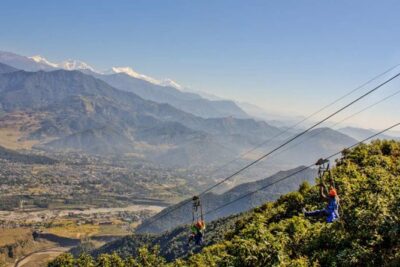
ZipFlyer Nepal – The World’s Steepest Zip-line
Read our review →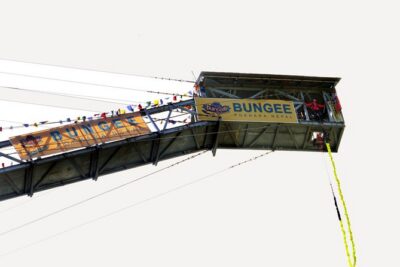
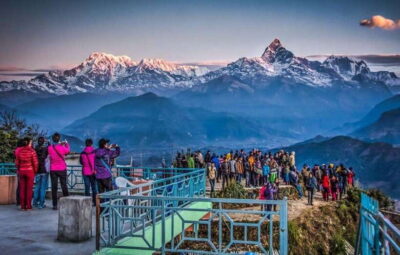

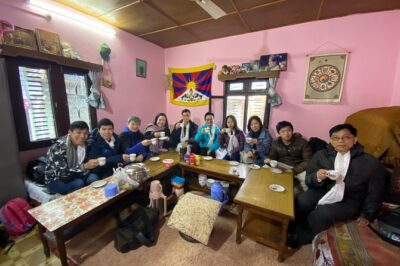
Full-Day Tibetan Cultural Tour to Tibetan Settlements Pokhara
Read our review →
Full-Day Sharing Bus Tour on 7 Iconic Destination
Read our review →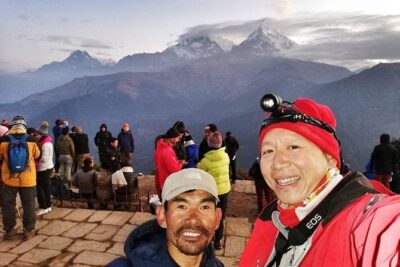
Trekking in Annapurna/Langtang/Everest/Upper Mustang regions
Read our review →This tour also appears in