
REVIEW · KATHMANDU TOURS
Kathmandu: Local Women Lead Nepali Cooking & Momo-Making Class
Kathmandu’s best food lesson may begin before you touch a cooking pot. At this small-group class in Thamel, you visit local shops, choose ingredients, then turn them into momos, dal bhat, and other Nepali dishes under the guidance of local instructors. The meal at the end is part of the lesson, not an afterthought.
I like the hands-on format, since you knead, stir, shape, and cook instead of simply watching a chef work. I also like the freedom to choose dishes, along with the chance to meet people from other countries around the same table.
The main consideration is the three-hour time limit. A market visit, menu choice, several dishes, tea, and a full meal make for a busy half-day. If you prefer a slow restaurant meal or a private lesson, a class with up to eight people may feel more active than relaxed.
Key points at a glance
- Market shopping comes first: You help buy the ingredients used during the lesson, giving the cooking a useful local setting.
- Momos are a central skill: You learn to make the dough and shape Nepal’s beloved filled dumplings.
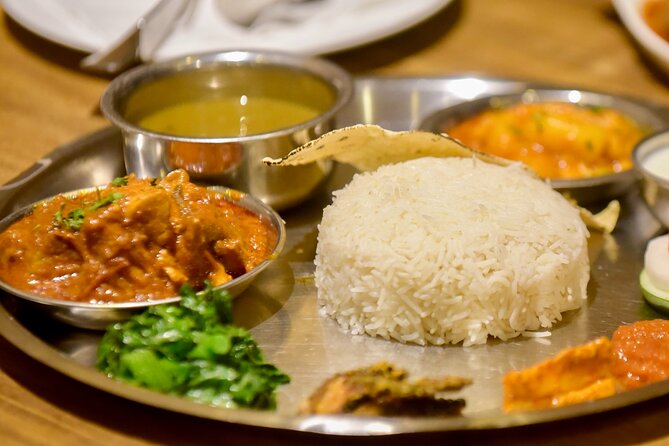
- The menu can vary: You may choose among dishes, with dal bhat, momo, carrot pudding, and Nepali masala tea all included among the possible preparations.
- The group is limited to eight: That keeps the class more manageable than a large demonstration.
- You eat what you prepare: The final tasting session turns the lesson into a proper meal.
- Pickup is optional: Hotel pickup and drop-off are available only if you select that option.
Starting in Thamel with a shopping basket
The class begins at Kathmandu Cooking Academy on Yapikhya Marg in Thamel. Thamel is a practical meeting point for this kind of activity. It is easy to reach by public transportation, and the neighborhood gives you quick access to shops selling the produce, spices, and staples needed for Nepali cooking.
If you select the pickup option, hotel pickup and drop-off are included. If not, you meet at the academy and return there when the class ends. That simple arrangement matters in Kathmandu, where finding a small side street can take longer than expected. Give yourself enough time to locate Yapikhya Marg rather than arriving at the last minute.
The first part is a market or shop visit. This is not just a stop to fill a shopping bag. You see the basic ingredients before they are chopped, seasoned, or folded into a finished dish. The class connects the food on your plate with the everyday shopping that makes it possible.
You should expect the exact shopping route and ingredients to depend on the dishes selected by the group. The available information does not promise one fixed menu for every session. That flexibility is useful if you want to focus on momos, dal bhat, or another Nepali favorite, but it also means you should not assume every class prepares the same set of dishes.
More Cooking Classes in Kathmandu
- Half day cooking class in Thamel kathmandu
★ 5.0 · 607 reviews - Kathmandu: Local Women-Led Nepali Cooking & Momo Class
★ 4.9 · 360 reviews - Kathmandu: Local Lead Nepali Cooking & Momo-Making Class
★ 5.0 · 212 reviews
Choosing dishes instead of following a fixed script
One appealing feature is the chance to select what you want to cook. The class still provides step-by-step instruction, but the menu is not described as a rigid list that every group must follow.
That makes the lesson more personal. If you are most curious about momos, you can give them your attention. If you want a classic Nepali meal, dal bhat offers a better introduction to the country’s everyday food culture. Past menu combinations have also included carrot pudding, and Nepali masala tea is part of the cooking session.
This choice comes with a small trade-off. A flexible menu can make the class feel responsive, but it may leave you wondering in advance exactly what will appear on the table. If a particular dish matters to you, ask about its availability when booking or at the start of the class.
The instructors provide the equipment and accessories, so you do not need to bring cooking tools. They also explain the method step by step. That is helpful for beginners, especially when you are working with unfamiliar spices or a dish that looks simple but depends on careful preparation.
Making momos by hand
For many people, the momo lesson will be the highlight. These filled dumplings are closely associated with Nepal, and making them gives you a skill you can try again after returning home.
You learn how to prepare the dough and shape the dumplings. The shaping stage takes practice. A small change in the amount of filling or the way you pinch the edge can affect the final result, so the instructor’s hands-on guidance matters more than a recipe alone.
This is the part of the class where you are likely to get flour on your hands and discover that neat dumplings take patience. That is a virtue, not a problem. The activity works best when you treat the kitchen as a workshop rather than expecting every momo to look restaurant-perfect.
The food prepared in the class has received especially strong praise. The menu has been described as enjoyable, and the momos are repeatedly singled out in the shared experiences. The important point is that you do not merely taste a dumpling chosen by someone else. You take part in the small decisions that create it.
Learning dal bhat, tea, and a sweet finish
Dal bhat gives the class a broader scope than a momo-only lesson. The dish is a familiar Nepali combination built around lentils and rice, and it helps you understand how a filling everyday meal differs from a single snack or appetizer.
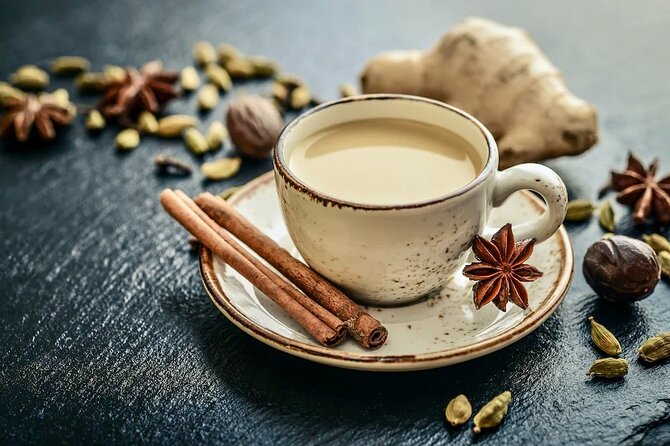
The class also includes Nepali masala tea during the lesson. Tea adds a lighter task between the more involved cooking steps, while introducing the spice-led flavors that appear in many South Asian kitchens.
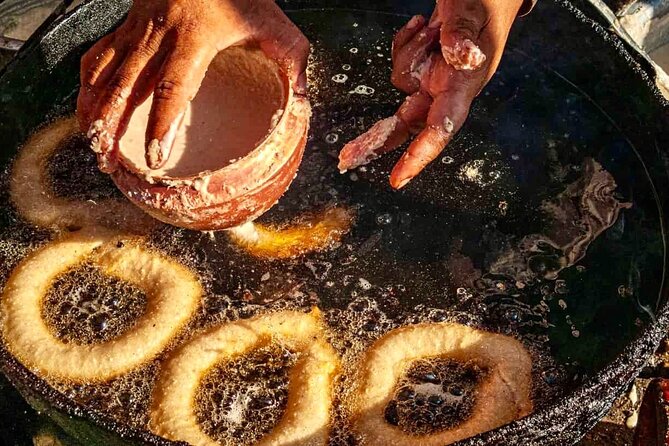
Carrot pudding has also been prepared as part of a menu. It offers a sweet counterpoint to the savory dishes and gives the group another technique to learn. Since the menu can be chosen, this dish may not appear at every session, but it is a useful example of the range available.
The lesson is therefore not only about one famous food. You can work through dough, lentils, rice, tea, and dessert in one sitting. That variety helps you understand Nepali food as a full meal rather than a short list of tourist favorites.
A different kind of day from the same base:
- Everest Base Camp Trek – 14 Days
★ 5.0 · 1,499 reviews - Private Kathmandu Sightseeing Tour | UNESCO World Heritage sites
★ 5.0 · 756 reviews - Everest Base Camp Helicopter Tour landing at Everest View Hotel
★ 5.0 · 668 reviews - Everest Base Camp Trekking
★ 5.0 · 485 reviews
Sitting down to eat what you made
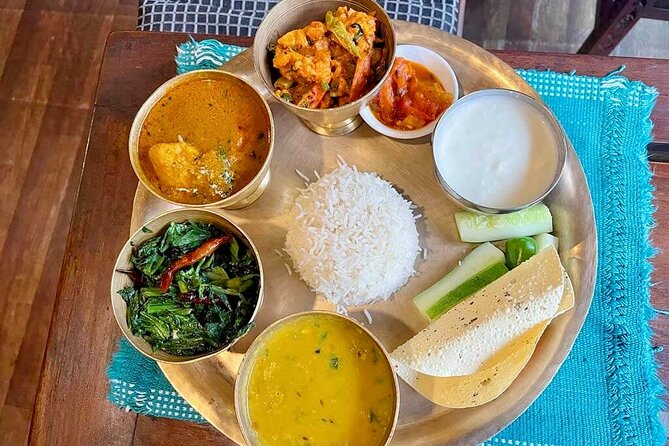
The final tasting session is where the separate tasks come together. You sit down at the meeting point and eat the food prepared during the class.
I like this setup because it gives every cooking step a clear purpose. You are not making a tiny sample simply to practice a technique. You prepare enough food to create a shared meal, then have time to taste the results.
The meal also gives the group a natural chance to talk. With a maximum of eight participants, the class has a better chance of feeling social without becoming a crowded production. The shared table has helped people from different countries get to know one another, which adds value for solo visitors and anyone who wants a little company without booking a large group tour.
Still, this is a cooking class first. The social side depends on the people in your session, and the three-hour schedule may keep the meal fairly focused. You should not expect a long evening gathering or a formal cultural performance.
What the $35 price gets you
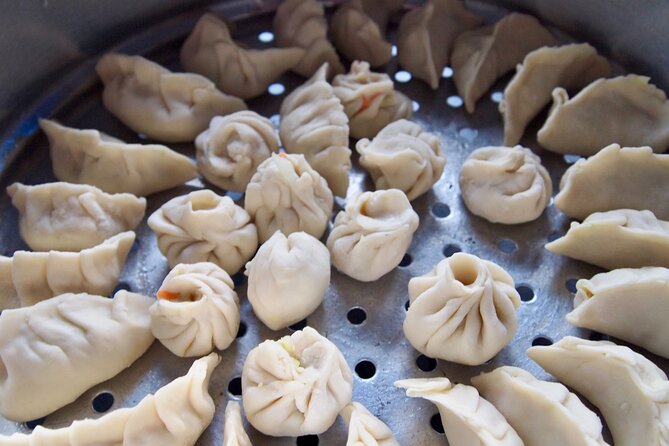
At $35 per person, the class is reasonably priced for a three-hour activity that includes instruction, a market or shop visit, ingredients, equipment, tea, and the food you prepare.
The price makes the most sense if you value participation. A standard restaurant meal could cost less, depending on where you eat, but it would not give you the shopping visit, cooking instruction, or the chance to make momos yourself.
The included equipment is another practical benefit. You do not need to purchase ingredients in advance or work out how to use unfamiliar kitchen tools. The instructor handles the structure, while you take part in the preparation.
Hotel transportation changes the calculation. Pickup and drop-off are included only when you choose that option, so check the selected booking choice before assuming transport is covered. Specialty drinks and alcohol are not included, and tips are separate.
Group discounts are offered, which may improve the value if you are booking with family or friends. The class is also available with a mobile ticket, making it easy to keep the booking details on your phone.
Who will enjoy this Kathmandu cooking class
This activity is a strong choice for anyone who wants a practical introduction to Nepali food. It suits first-time visitors who would like context for the dishes they see in restaurants, as well as keen home cooks looking for techniques they can repeat later.
It is especially useful for:
- Momo fans: You get direct practice with dough and dumpling shaping.
- Food-focused visitors: The market visit connects ingredients with finished dishes.
- Solo visitors: The small group and shared meal create an easy setting for conversation.
- Families and friends: Group discounts and a hands-on format give everyone a task.
- People with a half-day free: Three hours leaves time for other Kathmandu sights.
- Beginners: Step-by-step guidance and supplied equipment keep the process accessible.
You may want a different activity if you dislike group participation, have a very limited diet, or want a guaranteed fixed menu. The supplied details do not specify vegetarian, vegan, gluten-free, or allergy arrangements, so ask before booking if those issues affect your meal.
The class is also not designed as a professional culinary course. You will learn useful home-cooking methods, but the focus is on an enjoyable introduction to Nepali dishes rather than formal certification or advanced chef training.
Timing, transport, and the small details that matter
The experience lasts about three hours and ends back at the academy. Since the schedule includes shopping, cooking, tea, and eating, the time will pass quickly.
Near public transportation, the meeting point is convenient for people staying in or around Thamel. Pickup is available if selected, which may be worthwhile if you are unfamiliar with Kathmandu’s streets or prefer not to navigate to Yapikhya Marg.
Confirmation is provided at booking. The activity accepts mobile tickets, so you can keep the details on your phone rather than printing anything.
The group maximum is eight people. That number is small enough for instruction to remain practical, though the class will not necessarily feel private. If your party wants personal attention, ask about group discounts and how the session will be arranged.
Cancellation is free up to 24 hours before the start time for a full refund. Canceling or changing the booking within 24 hours does not qualify for a refund, and cut-off times follow local Kathmandu time. Keep that deadline in mind if your travel plans are still shifting.
The strongest reasons to book
The clearest strength is the combination of shopping and cooking. Many food activities begin after the ingredients have already appeared on a counter. Here, you see the buying process first, which makes the dishes easier to understand.
The second strength is the menu flexibility. You can take part in choosing what to prepare, rather than spending the entire lesson on a dish that does not interest you. The possible combination of momos, dal bhat, carrot pudding, and masala tea also gives you a useful range of flavors.
The third is the meal at the end. You leave with more than a demonstration and a few notes. You have eaten the results of your own work, which makes the techniques easier to remember.
The fourth is the group size. Eight people is not a private kitchen, but it is far more manageable than a class built for a large busload. The social element adds warmth without taking over the main purpose.
Should you book it?
I would book this class if you want to understand Nepali food by making it yourself. The market visit, flexible menu, momo practice, local instruction, and shared meal give you a lot for $35, especially if you choose the pickup option for convenience and take advantage of a group discount.
Go in with realistic expectations. The menu may change, the schedule is full, and the class is shared with other participants. But if you can spare three hours in Thamel and enjoy learning with your hands, this is a practical, good-value way to add food culture to your Kathmandu plans.
FAQ
Where does the cooking class begin?
The class begins at Kathmandu Cooking Academy, Nepali Cooking Class, on Yapikhya Marg in Kathmandu 44600, Nepal.
Where does the activity end?
The activity ends back at the meeting point, Kathmandu Cooking Academy.
How long does the class last?
The class lasts approximately three hours.
Is hotel pickup available?
Hotel pickup and drop-off are available if you select that option when booking.
How many people can join the class?
The activity has a maximum group size of eight participants.
What food might I prepare?
The class includes hands-on preparation of different Nepali meals. Possible dishes include momos, dal bhat, and carrot pudding, and Nepali masala tea is included during the lesson. The menu can be chosen, so the exact dishes may vary.
Are cooking equipment and ingredients included?
The class provides cooking equipment and accessories. The market or shop visit is used to buy the important ingredients for cooking.
Can I cancel for a full refund?
Yes. You can cancel at least 24 hours before the experience start time for a full refund. Cancellations or changes made within 24 hours are not refunded or accepted.
More hands-on workshops in Kathmandu
- Knife (Khukuri) Making Workshop- Forge of the Gurkhas
★ 5.0 · 143 reviews - Local Women Lead Nepali Cooking Class
★ 5.0 · 125 reviews - The best Private Nepali Cooking Class in Kathmandu
★ 5.0 · 83 reviews - Kathmandu: Traditional Momo Making Class & Pickup
★ 4.8 · 60 reviews
Recently added around Kathmandu
- Kathmandu Airport Pickup and Drop-off Services★ 5.0 · 3 reviews
- Kathmandu Paragliding★ 5.0 · 3 reviews
- Explore The Beauty Of Langtang Valley In 8-Days Trek★ 5.0 · 3 reviews
- Kathmandu Chandragiri Cable Car and Swayambhunath Private Tour★ 5.0 · 3 reviews
- Kathmandu: Nightlife and Pub Crawl Tour★ 5.0 · 3 reviews
- Kathmandu: Momo Making Class with a Local Chef★ 5.0 · 3 reviews
- Mountain Flight Experience in Nepal★ 4.5 · 3 reviews
- Everest Base Camp Trek★ 5.0 · 3 reviews
Other Kathmandu Tours worth a look


Private Kathmandu Sightseeing Tour | UNESCO World Heritage sites
Read our review →
Everest Base Camp Helicopter Tour landing at Everest View Hotel
Read our review →


Nagarkot Sunrise View and Day Hiking from Kathmandu
Read our review →
Full Day 7 UNESCO Tour with Lunch – Private/Group
Read our review →
This tour also appears in