
REVIEW · ANNAPURNA CIRCUIT TREKS
Annapurna Circuit Trekking 13 Days
The biggest reward here is the dramatic change in scenery: river valleys and pine forests give way to Tibetan-style villages, high mountain passes, dry Mustang country and the Kali Gandaki Valley. I like the built-in Manang acclimatization day, and I like that the $970 price includes meals, permits, lodging, a guide, major transfers and gear such as a sleeping bag and down jacket. You also get the sunrise walk to Poon Hill, a fine final note.
The main concern is the pace. You reach 5,416-meter Thorong La on day nine, after several long walking days and only one scheduled acclimatization day. Basic tea houses, public transport and a possible $250 porter charge keep costs down, but this is a demanding mountain trip rather than a soft sightseeing holiday.
Key points at a glance
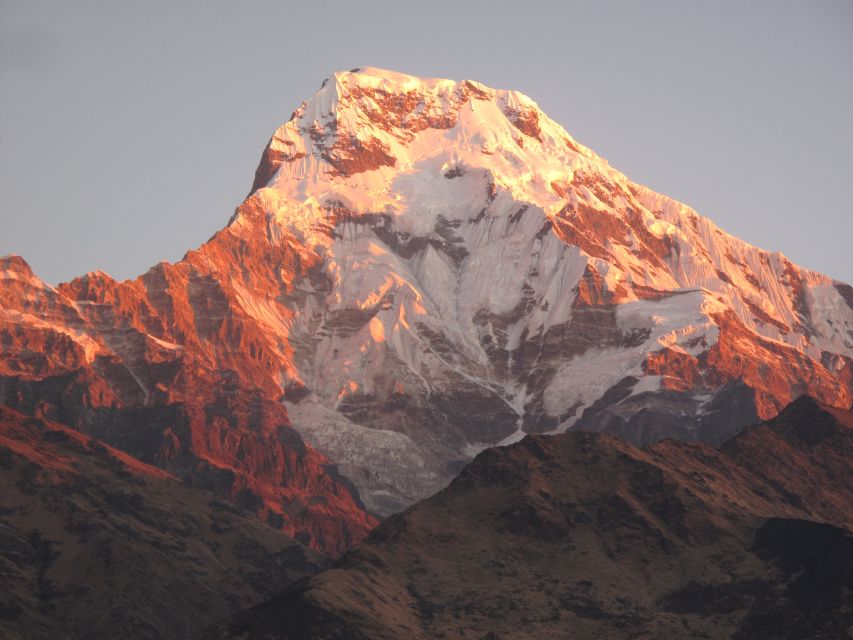
- Thorong La at 5,416 meters: The trek’s hardest and most memorable day takes you from Thorong Phedi over the pass to Muktinath.
- Two very different sides of Nepal: You move from the green Marshyangdi River Valley to dry Lower Mustang and the windy Kali Gandaki Valley.
- Manang acclimatization day: A full rest day at 3,540 meters gives your body time to adjust before the high section.
- Poon Hill sunrise finish: The final morning includes a climb to 3,210 meters before descending toward Nayapul and Pokhara.
- Strong guide support: Laxman handles trip arrangements, while guides such as Ganesh and Rabin can provide close personal support.
- A useful all-in price: Meals, 12 nights in tea houses, permits, guide costs, key transport and selected gear are included for $970.
Why the Annapurna Circuit still earns its reputation
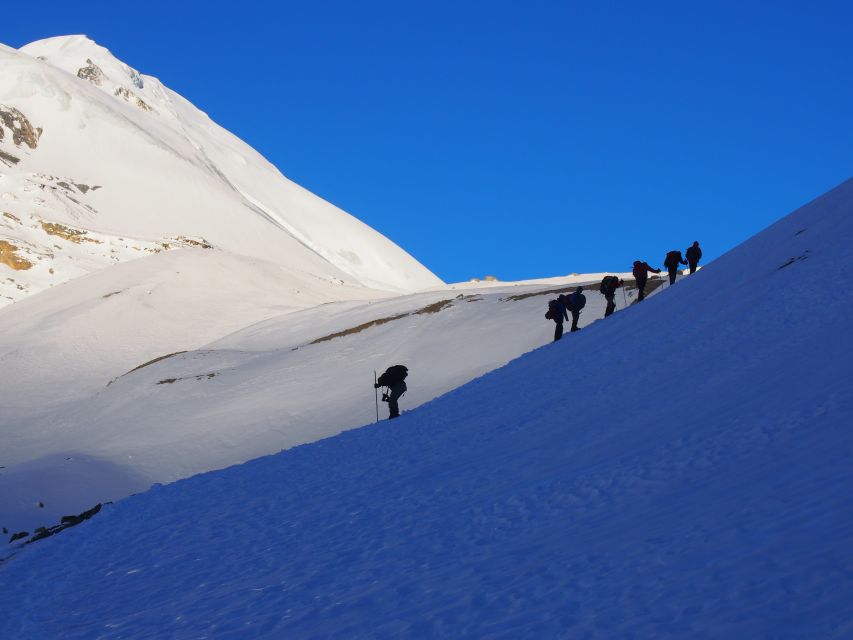
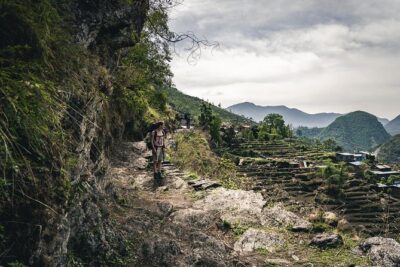
The Annapurna Circuit works because the route keeps changing. You are not walking through the same kind of scenery for two weeks. One day brings waterfalls and forest. Another brings stone villages and Buddhist prayer flags. Later, the trail reaches high, open ground where the air is thin and the mountains feel close.
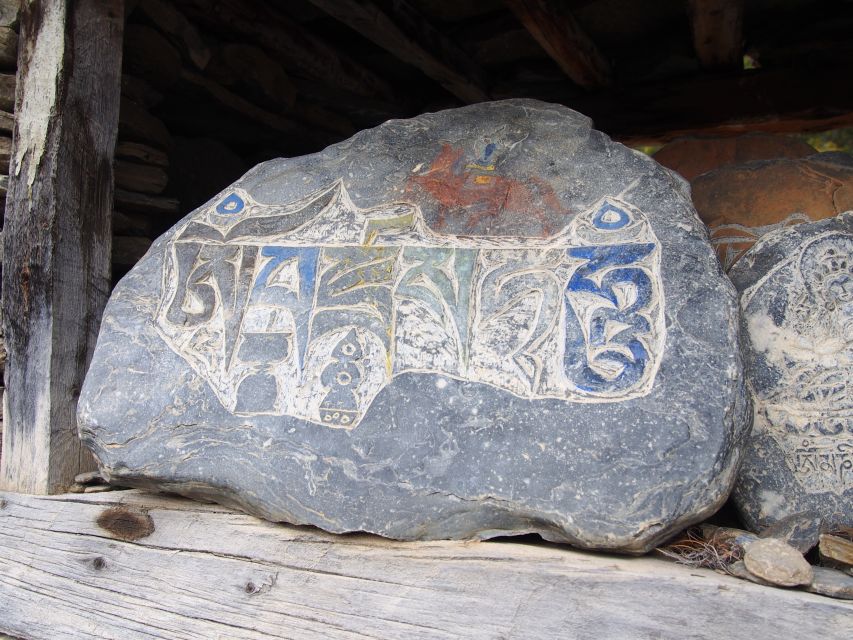
The route also gives you a strong sense of place. Manang and the upper valley show the influence of Tibetan Buddhism, while Muktinath is a major spiritual stop. Kagbeni and Jomsom bring you into the dry Mustang region, where the Kali Gandaki Valley feels quite different from the lower valleys.
I find that contrast more rewarding than simply collecting mountain views. The circuit gives you a story as you walk: low valley, high settlement, mountain pass, sacred site, dry river valley, hot spring and hilltop sunrise.
This is not a remote expedition in the strictest sense. Tea houses line the route, and the package uses public transport for some road sections. That makes the trek more approachable, but it also means you should expect basic rooms, shared facilities in some lodges and a few practical transport compromises.
More Annapurna Circuit Treks in Nepal:
- Annapurna Circuit Trek with Tilicho Lake
★ 5.0 · 368 reviews - Annapurna Circuit Trek
★ 5.0 · 94 reviews - Annapurna Circuit Trek
★ 5.0 · 35 reviews
Days 1 and 2: Kathmandu to Jagat and into the Marshyangdi Valley
Day one is mostly a transport day. You travel from Kathmandu toward Jagat via Besisahar, with the journey taking about eight to nine hours. The arrangements include a taxi to the Kathmandu bus station and public bus transport toward Bhulbhule, so you are not paying for a private vehicle as part of the standard package.
That keeps the price sensible, but public buses can make the opening day feel long. I would treat this as a necessary approach rather than a sightseeing day. Keep your day bag easy to reach, since the first stretch involves sitting, waiting and changing the rhythm from city travel to mountain travel.
From Jagat at about 1,100 meters, day two takes you to Dharapani at 1,960 meters. The six to seven-hour walk begins the real trek, with the Marshyangdi River Valley providing the central thread. You can expect green forest, waterfalls, steep valley walls and small communities along the route.
The gain in height is noticeable but not extreme at this point. Your guide matters here because the first days set the pace for the entire trip. A good guide will help you avoid racing early, especially if you are carrying a full pack.
Days 3 and 4: Dharapani, Chame and Pisang
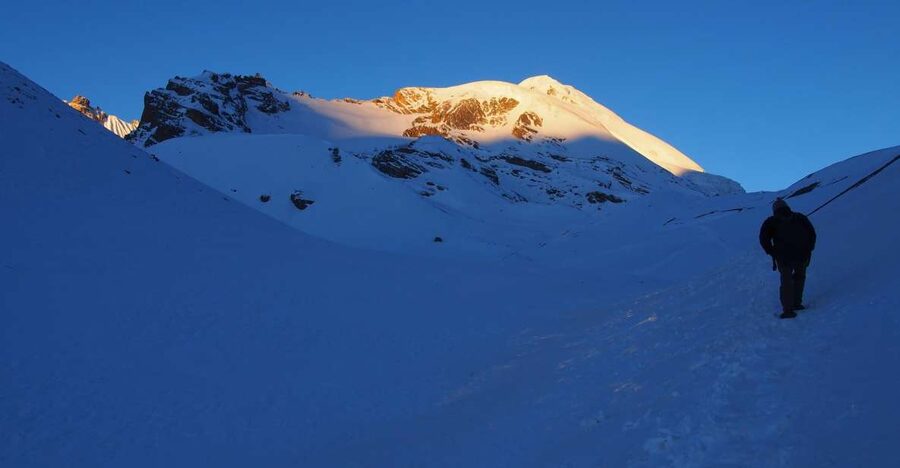
The walk from Dharapani to Chame takes about five to six hours and reaches 2,710 meters. Chame is the administrative center of Manang District and a useful overnight stop before the trail climbs higher.
The scenery begins to feel more alpine as the route leaves the lower valley character behind. You will see forest, mountain views and changing village architecture. The altitude is now high enough that a steady pace becomes more important than speed.
Day four continues from Chame to Pisang at about 3,300 meters. The walk takes five to six hours. Pisang is one of the points where the circuit feels distinctly Tibetan in character, and the surrounding peaks begin to dominate the view.
This is also where you should pay closer attention to your body. Headaches, unusual tiredness and poor sleep can appear as the route rises. The itinerary gives you a short walking day compared with some later sections, but you should still drink regularly and tell your guide about any symptoms.
Accommodation is in basic tea houses with twin-sharing rooms. That is part of the appeal and part of the bargain. You sleep in simple mountain lodges rather than polished hotels, and the meals are practical rather than elaborate. Three meals a day are included, which makes budgeting easier.
Day 5: The long walk from Pisang to Manang
The six to seven-hour walk from Pisang to Manang reaches 3,540 meters. This is one of the most rewarding days because the route moves into a higher valley with strong Tibetan Buddhist influence.
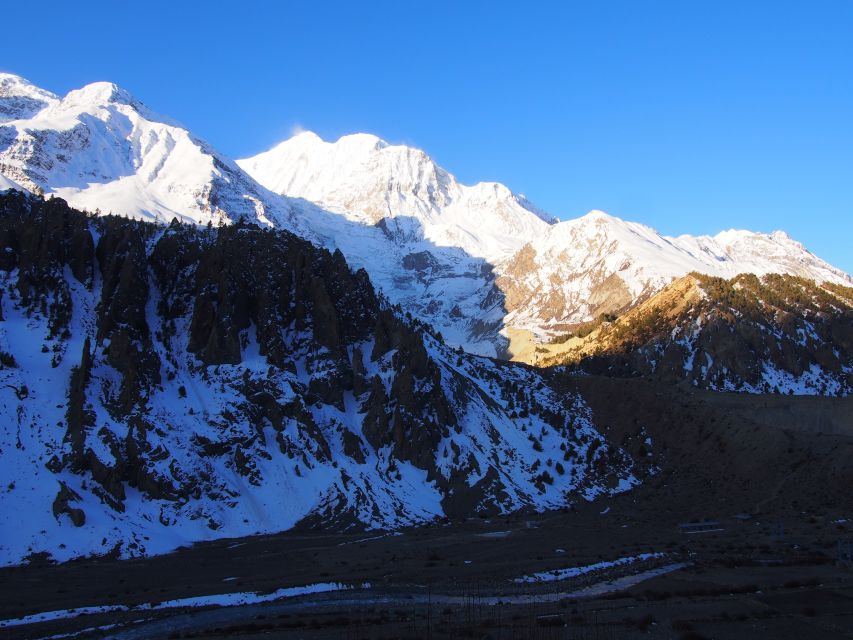
Manang is more than a place to sleep. It is the main high settlement on this side of the circuit and a natural place to pause, rest and adjust. The setting makes the stop memorable, with dry mountain terrain, stone buildings and views toward the Annapurna range.
I especially like that the schedule does not rush straight through Manang. Spending the night here gives you time to settle into the altitude before the route climbs above 4,000 meters. It also makes the cultural side of the trek easier to appreciate. You are not simply passing a signpost and moving on.
More Hiking Tours in Nepal:
- Everest Base Camp Trek – 14 Days
★ 5.0 · 1,499 reviews - Everest Base Camp Trekking
★ 5.0 · 485 reviews - Nagarkot Sunrise View and Day Hiking from Kathmandu
★ 5.0 · 471 reviews - Everest Base Camp Trekking – 13 Day
★ 5.0 · 365 reviews
Day 6: Why the Manang rest day matters
The Manang acclimatization day is one of the most important parts of the plan. You remain at about 3,540 meters rather than gaining more height, allowing your body time to adjust before Yak Kharka and Thorong Phedi.
The information supplied for this trip does not set out a fixed activity for the rest day. That is useful flexibility. You can use it to rest, walk locally at a gentle pace or spend time taking in Manang’s Buddhist culture and mountain setting.
I would not treat this as a spare day to waste or remove. The high pass comes soon after, and an acclimatization day can make the difference between a strong crossing and a miserable one. If you are new to high-altitude trekking, this pause is a real advantage.
Days 7 and 8: Yak Kharka and Thorong Phedi
Day seven climbs from Manang to Yak Kharka at 4,120 meters. The walking time is only four to five hours, but the altitude makes the day feel more serious than the clock suggests.
At this height, the scenery is more open and spare. You are leaving the lower forests behind, and the route becomes a preparation for the pass. Take the short day seriously. Walk slowly, eat even if your appetite drops and keep your layers handy.
Day eight goes from Yak Kharka to Thorong Phedi at about 4,450 meters, again in four to five hours. Thorong Phedi is the final staging point before the pass. The word phedi refers to the foot of a mountain pass, and that is exactly what this stop is: a high overnight base before the biggest climb.
This is where the trek can feel basic and exposed. Tea house accommodation is included, but you should not expect city comforts. The group is limited to 12 participants, which helps the guide keep track of everyone without creating a large procession.
Day 9: Crossing Thorong La at 5,416 meters
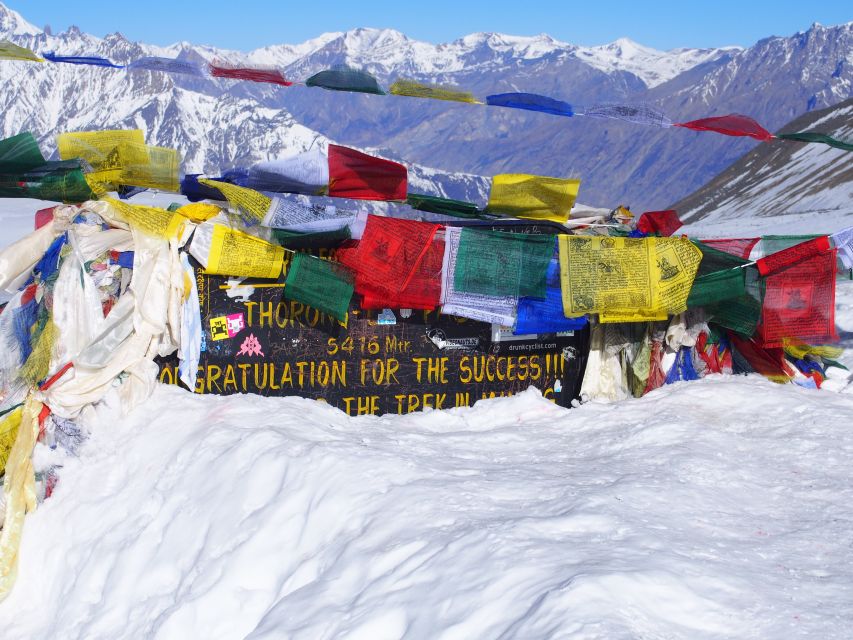
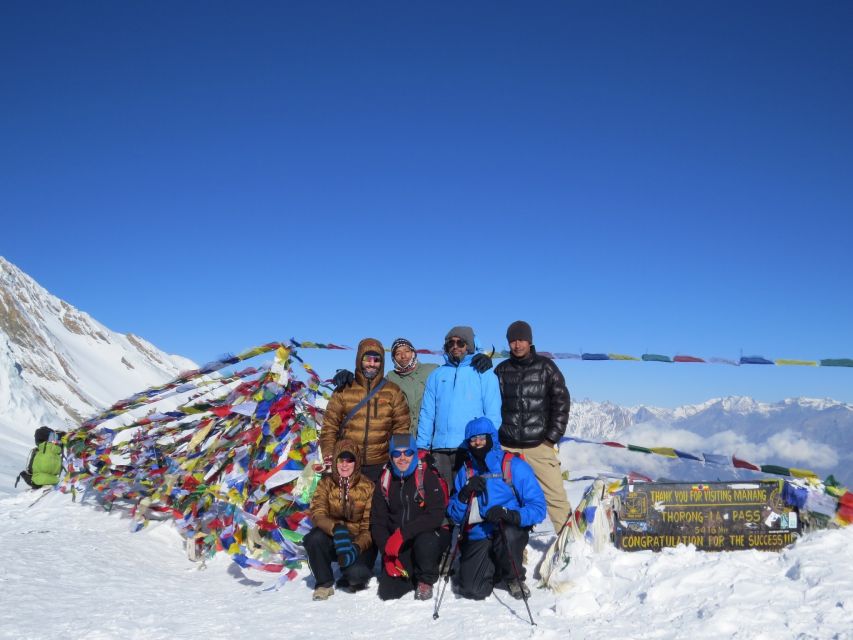
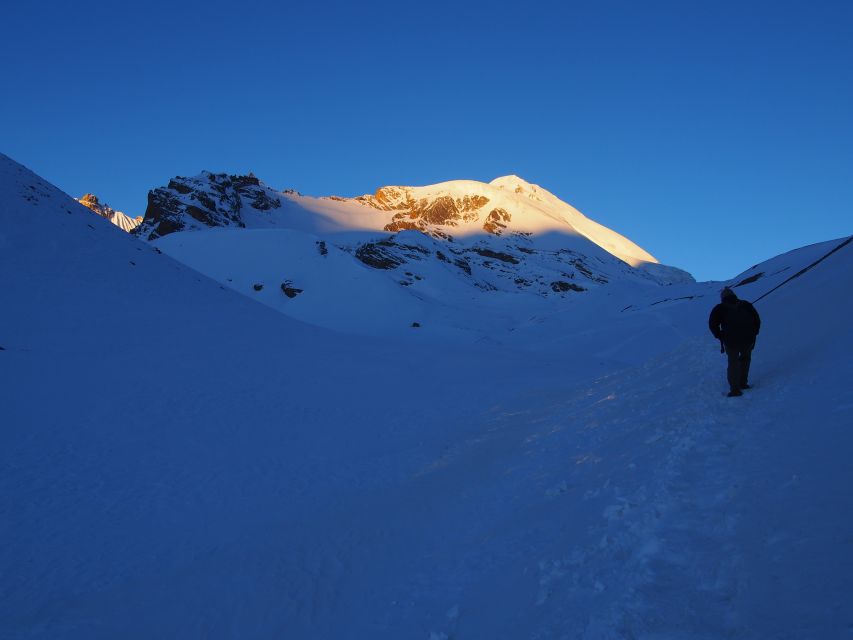
The pass day is the heart of the trip. You leave Thorong Phedi, climb to Thorong La at 5,416 meters and then descend to Muktinath at 3,802 meters. The full walk takes about seven to eight hours.
The height is serious. This is not a technical climbing expedition in the sense of ropes and specialist equipment, but the route is physically demanding and the altitude can affect anyone, regardless of fitness. The crossing should be approached with patience, warm clothing and close attention to your guide.
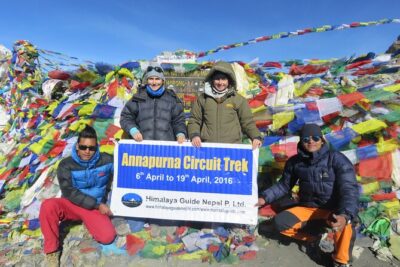
The reward is a huge change in view. From the pass, you can look across high mountain scenery and see the white peaks of the Annapurna region. After the pass, the descent toward Muktinath brings a strong sense of release, but it is still a long day on tired legs.
Muktinath gives the day a second layer. It is an important spiritual center, and the stop helps connect the mountain crossing with the religious traditions of the region. I like this pairing: a major physical challenge followed by a place of pilgrimage and reflection.
Day 10: Muktinath, Kagbeni country and Jomsom
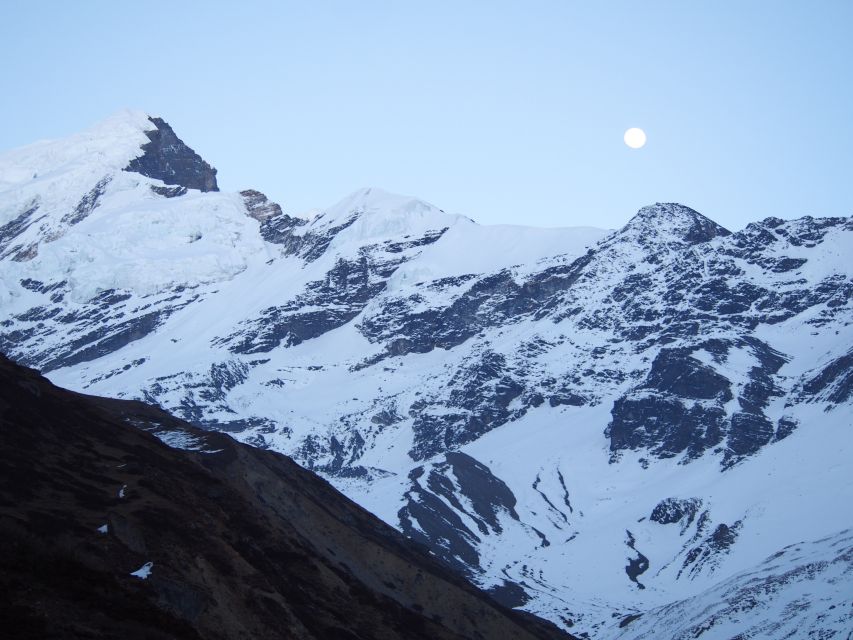
The walk from Muktinath to Jomsom takes about five to six hours and descends to 2,743 meters. You are now on the drier side of the circuit, in the Lower Mustang area.
This section feels unlike the approach to Thorong La. The vegetation thins, the ground becomes more arid and the Kali Gandaki Valley brings a broad, windy character. Kagbeni is listed among the points of interest in this part of the route, and its position near the valley adds to the feeling that you have entered a different part of Nepal.
Jomsom is a useful overnight point before the road journey south. After the strain of the pass, the lower altitude is welcome. Still, the wind in the Kali Gandaki Valley can be strong, so a buff, hat or secure head covering is practical.
Day 11: The road to Tatopani and a natural hot spring
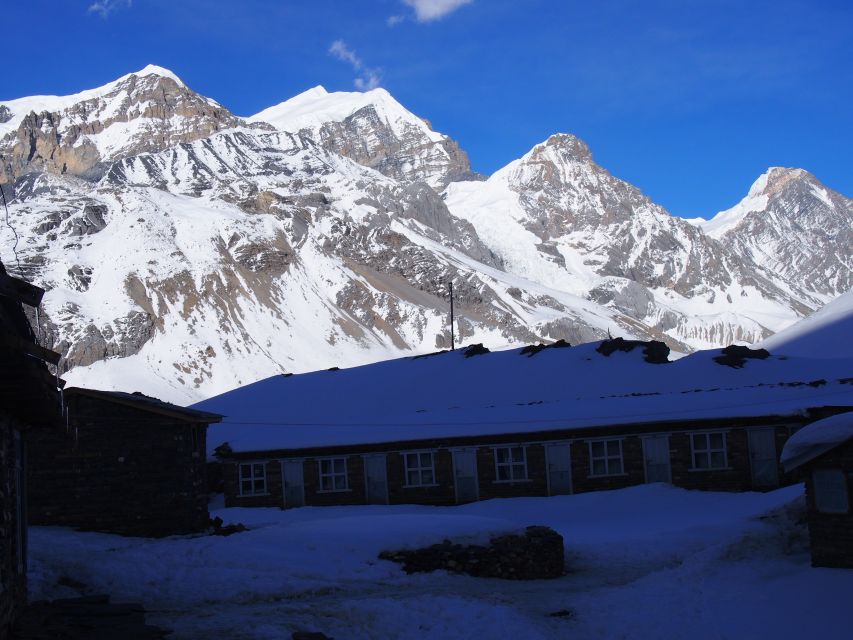
Day eleven changes from walking to driving. You travel from Jomsom to Tatopani, a journey of about four to five hours. Public transport is included for this section.
Tatopani means hot water, and the natural hot spring is the clear attraction. After the pass and the long descent, this is a well-timed place to rest your legs. The stop also gives you another view of Nepal’s geography, moving from high, dry country back toward warmer valley conditions.
The road section is useful but may not appeal to hikers who want every mile on foot. That is one of the trade-offs in a 13-day circuit. The trip includes the major high pass and the key cultural stops, but it uses transport to fit the route into a shorter schedule.
Day 12: Tatopani to Ghorepani
The walk from Tatopani to Ghorepani takes seven to eight hours and reaches about 2,750 meters. After the relatively low elevation of Tatopani, this is a demanding climb.
The route joins the lower Annapurna route as you ascend through Sikha toward Ghorepani. Forest, villages and changing views return after the dry Mustang section. The climb can feel tough because it arrives late in the trek, when your legs have already worked hard.
Ghorepani is the staging point for Poon Hill. You will want an early night because day thirteen begins before sunrise. If you prefer a slow finish, this is the section to discuss with your guide, although the stated schedule is built around reaching Poon Hill the next morning.
Day 13: Poon Hill sunrise and the final descent
The final day starts with an early hike to Poon Hill at 3,210 meters. From the viewpoint, you can see the Annapurna range and surrounding Himalayan peaks as the light changes. The early start is worth understanding: the attraction is the morning view, not simply reaching a high point.
After Poon Hill, you descend to Nayapul at about 2,070 meters. The full walking day takes around seven to eight hours, followed by a taxi to Pokhara.
The package includes one night in a Pokhara hotel with breakfast. That is a welcome finish after nearly two weeks of mountain travel, and it gives you a proper place to rest before the tourist bus to Kathmandu.
What $970 includes, and what it does not
At $970 per person, the package offers solid value if you want a guided trek with the main expenses grouped together. The price includes:
- Airport pickup on your arrival date and time
- The taxi to the Kathmandu bus station
- Public bus transport from Kathmandu toward Bhulbhule
- Public transport from Jomsom to Tatopani
- Taxi from the trek endpoint to Pokhara
- Tourist bus from Pokhara to Kathmandu
- A government-licensed guide, including the guide’s food, lodging, salary, equipment and insurance
- Breakfast, lunch and dinner during the trek
- Annapurna Circuit permits
- Twelve nights in basic twin-sharing tea houses
- One hotel night in Pokhara with breakfast
- A sleeping bag, down jacket and duffel bag if needed
- A first aid box with normal medical supplies and an oximeter
- A trek map and luggage storage in Kathmandu if needed
You still pay for your Nepal visa, international flights, Kathmandu hotel, city meals, drinks, personal spending and private transport. A porter costs an additional $250 if you want one.
That last point matters. Without a porter, you will carry your own pack, so pack carefully and ask about the exact luggage arrangement before departure. The included duffel bag can help, but it does not remove the need to manage your daily load.
The price also assumes basic tea house accommodation and shared rooms. I see that as fair for this route, but I would not choose this trip expecting private bathrooms, hotel-style service or a high level of privacy each night.
Guides, group size and the human side of the trek
The group limit is 12 people, a useful middle ground. You get the social energy of a small group, while the guide can still give personal attention on the high sections.
The company provides English, Nepali and Hindi-speaking guides. Laxman, the owner, is described as proactive with questions and trip formalities. If you want a particular guide, ask in advance about Ganesh or Rabin. Ganesh is especially suited to solo hikers who value patience, careful listening, flexibility and detailed mountain support. Rabin is another name worth requesting.
The guide is not just there to point out the trail. On a route with rapid changes in altitude, the guide helps set a sensible pace and monitor how the group is coping. That support is one of the better reasons to choose an organized trip instead of arranging every stage alone.
The best time to go and who should book
Spring and autumn are identified as the best seasons for this trek. Those are the periods to focus on if you want the most suitable general conditions for the circuit.
This trip suits you if you want:
- A major Himalayan pass without arranging every permit and transfer yourself
- A mix of mountain scenery and local settlements
- A small group rather than a large coach tour
- Basic tea house accommodation
- A package that includes meals, permits, guide costs and key transport
- A demanding but scheduled route with an acclimatization day
I would think twice if you dislike long walking days, high altitude, public buses or simple lodging. The pass reaches 5,416 meters, and the itinerary includes several six to eight-hour days. Fitness helps, but the schedule also demands patience and honest communication with your guide.
Free cancellation up to 24 hours before departure and the option to reserve now and pay later make planning less rigid. Still, flexible booking does not change the physical demands of the route, so I would sort out your fitness, clothing and personal insurance before committing.
Should you book the 13-day Annapurna Circuit?
I would book this trip if you want the classic contrasts of the Annapurna Circuit in a tightly planned 13-day format. The strongest features are the Manang rest day, the Thorong La crossing, Muktinath, the dry Kali Gandaki Valley, Tatopani’s hot spring and the final Poon Hill view.
The main trade-off is comfort. You use public transport on some road sections, stay in basic tea houses and may need to carry your own luggage unless you add the porter service. The schedule is also brisk around the high pass.
For a solo hiker, I would ask for Ganesh or Rabin if available and confirm the porter option before paying. For anyone seeking a practical, good-value introduction to Nepal’s high mountain routes, the $970 cost covers a great deal and keeps the complicated parts in experienced hands.
FAQ
How long is the Annapurna Circuit trekking experience?
The trek lasts 13 days, including transport from Kathmandu, the mountain walking days, the trip to Pokhara and the tourist bus from Pokhara back to Kathmandu.
What is the highest point on the route?
The highest point is Thorong La Pass at 5,416 meters, or 17,769 feet.
Is there an acclimatization day?
Yes. Day six is an acclimatization day in Manang at about 3,540 meters.
What languages can the guide speak?
Guides are available in English, Nepali and Hindi.
How large is the group?
The group is limited to 12 participants.
Are meals included?
Breakfast, lunch and dinner are included during the trek. Meals in the cities are not included.
What accommodation is provided?
The package includes 12 nights in basic twin-sharing tea houses and one hotel night with breakfast in Pokhara.
Is a porter included?
No. A porter can be added for an extra $250.
Is trekking equipment provided?
A sleeping bag, down jacket and duffel bag can be provided if you need them. They must be returned after the trip.
Which seasons are best for this trek?
Spring and autumn are listed as the best seasons for the Annapurna Circuit.
Recently added around Nepal
- Kathmandu Airport Pickup and Drop-off Services★ 5.0 · 3 reviews
- Kathmandu Paragliding★ 5.0 · 3 reviews
- Paragliding in Pokhara★ 5.0 · 3 reviews
- Pokhara: 5-Day Annapurna Base Camp Trek with Hot Spring★ 5.0 · 3 reviews
- Kathmandu Chandragiri Cable Car and Swayambhunath Private Tour★ 5.0 · 3 reviews
- Explore The Beauty Of Langtang Valley In 8-Days Trek★ 5.0 · 3 reviews
- Pokhara:4-Day Ghorepani Poon Hill Guided Trek via Ghandruk★ 5.0 · 3 reviews
- Pokhara: 7-Day Annapurna Base Camp Trek via Ghandruk★ 4.3 · 3 reviews
Other Annapurna Circuit Treks worth a look

15-Day Private Annapurna Circuit Trek from Kathmandu
Read our review →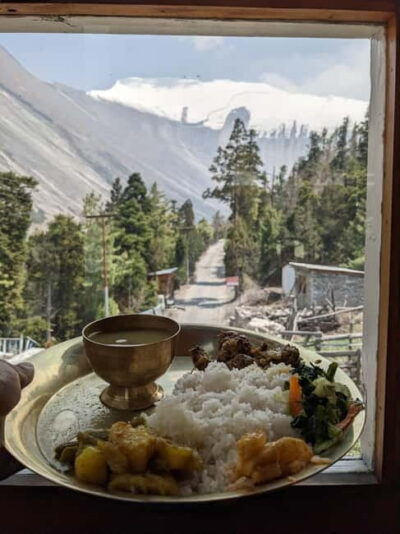
This tour also appears in