
REVIEW · ANNAPURNA CIRCUIT TREKS
Annapurna Circuit Trek With Tilicho Lake :Best Trek in Nepal
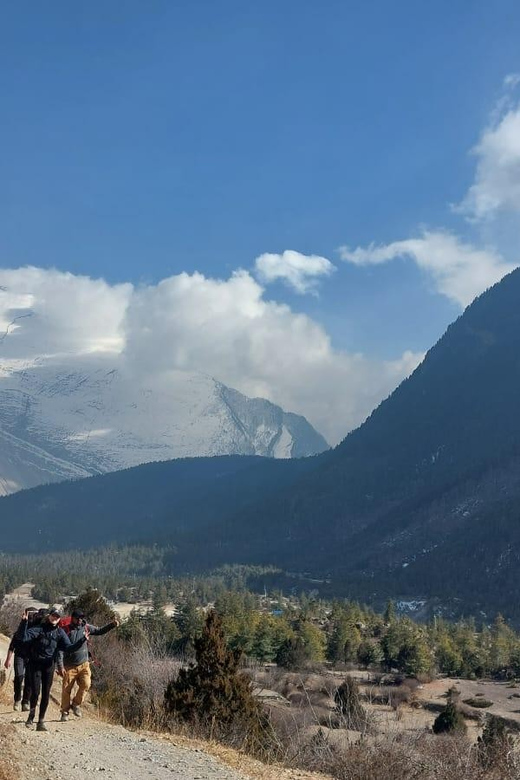
Tilicho Lake is the star here, but the real prize is the changing world around it: subtropical forest gives way to dry Himalayan slopes, Tibetan-style villages, and huge mountain views. You will also cross Thorong La at 5,416 meters, a serious high point that demands steady pacing and proper acclimatization.
I like the small group size, limited to six people, and the way the route includes a rest day in Manang before the hardest section. I also like that the price covers permits, tea-house rooms, a licensed guide, and transport from Kathmandu toward the trail and from Muktinath to Pokhara.
The main drawback is the pace. You have only 12 days, and several walking days last around seven hours. Food, drinks, trekking gear, insurance, and personal costs are extra, so the advertised price is not your full budget.
Key points at a glance
- Tilicho Lake at 4,919 meters: A demanding side trip to a turquoise lake surrounded by high peaks.
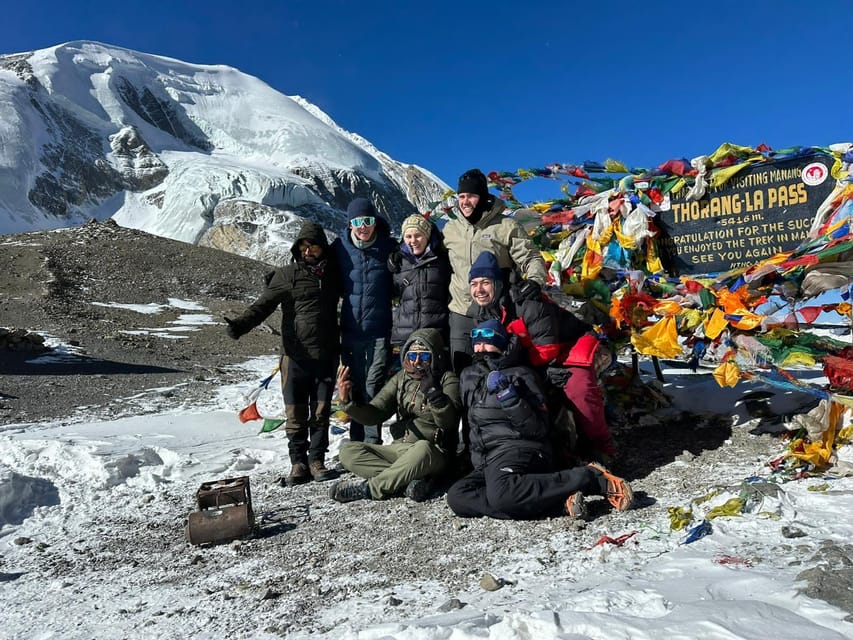
- Thorong La crossing at 5,416 meters: The trek’s toughest and most memorable day, with early preparation and altitude to manage.
- Four experienced guide options: Guides named in the supplied information include Ganesh Devkota, Kumar, Jeewan, and Prakash.
- Small groups of up to six: A useful size for adjusting pace and keeping communication simple.
- A full change of scenery: Expect forests, farmland, river valleys, dry slopes, mountain villages, and the Kali Gandaki region.
- A practical $604 package: Permits, transport, guide costs, accommodation, and tax are included, while meals and equipment are not.
Why Tilicho Lake makes this route special
The standard Annapurna Circuit is already one of Nepal’s great long-distance walks. Adding Tilicho Lake gives you a powerful extra goal before the Thorong La crossing.
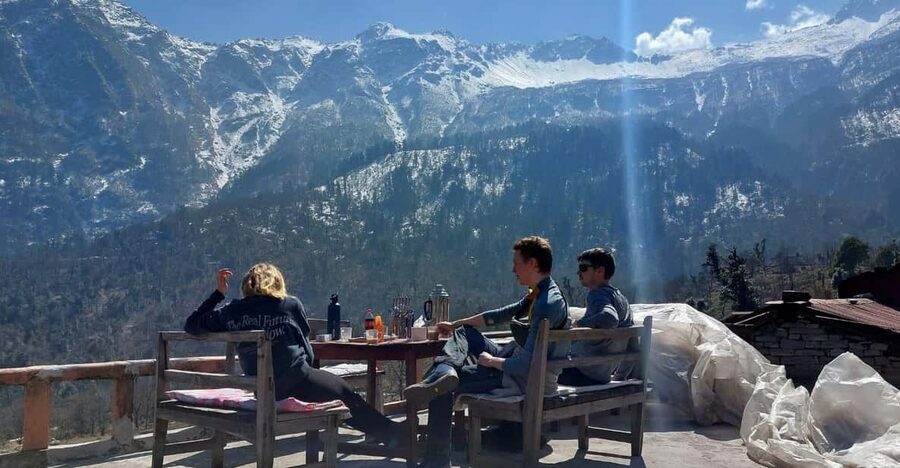
At 4,919 meters, Tilicho Lake is promoted as the highest lake in the world. The exact distinction can depend on how high-altitude lakes are measured, but there is no doubt that the setting is remarkable. The route takes you over rough ground and, at times, snow-covered paths. This is not a gentle sightseeing stop with a road to the shore.
You first reach Tilicho Base Camp, then make the excursion to the lake and return to the base camp area. The lake day is listed as about four hours of walking, while the approach to base camp takes about seven hours. That makes the side trip demanding but more manageable than carrying your entire trek pack to the lake and onward.
I like this design because you get a clear acclimatization break in Manang before going higher. Still, do not mistake a rest day for a day off from altitude. You remain high, and your body still needs to adjust.
More Annapurna Circuit Treks in Nepal:
- Annapurna Circuit Trek with Tilicho Lake
★ 5.0 · 368 reviews - Annapurna Circuit Trek
★ 5.0 · 94 reviews - Annapurna Circuit Trek
★ 5.0 · 35 reviews
From Kathmandu to Dharapani: a long first day
The trip begins in Thamel with a bus ride to Besisahar, listed at about seven hours. From there, a jeep takes you to Dharapani, a journey of around five hours according to the transport details.
This is a substantial travel day before the walking begins in earnest. Roads in mountain regions can make travel tiring, and the switch from bus to jeep is part of the experience. You get your first close look at the river valleys and rising hills, but you should not expect a relaxed transfer.
There is a short walk and local sightseeing around Dharapani. The overnight tea-house stay gets you close to the trail’s higher sections. Tea houses are basic mountain accommodation, not private city hotels, so bring a sleeping bag and keep your expectations practical.
The package includes transport from Kathmandu to Besisahar, the jeep to Dharapani, tea-house lodging, permits, and the guide’s costs. That saves you from arranging several pieces yourself, which is useful on a route with changing road and trail conditions.
Dharapani to Chame: forests and mountain air
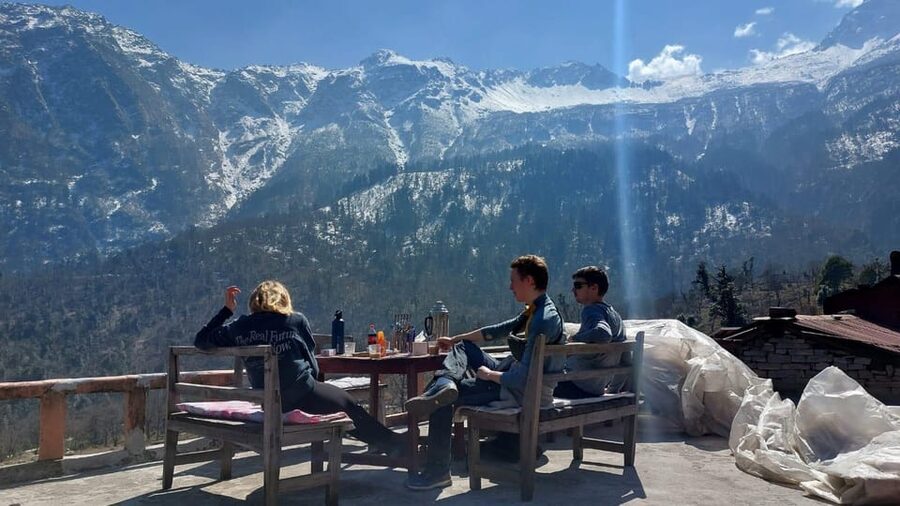
The walk to Chame takes about seven hours. This section follows the Marsyangdi River valley and carries you through forest, farmland, and traditional settlements.
The scenery changes as you gain height. Forest still plays a major role, but the mountains begin to feel closer and larger. Annapurna, Manaslu, and other peaks become part of the daily view, with Fishtail and Dhaulagiri among the mountain names associated with the wider route.
Chame is the administrative center of Manang District and a useful overnight stop. The key point for you is not sightseeing in a formal sense. It is the gradual gain in altitude and the chance to settle into a walking rhythm.
Seven hours on foot can feel long if you arrive with little recent hiking practice. Training with uphill walks and a loaded day pack will help more than simply doing short walks on flat ground.
Chame to Pisang: the valley begins to dry
The next day brings another seven-hour walk to Pisang. The route continues along the Marsyangdi corridor, with mountain walls rising around you and the vegetation beginning to thin.
Pisang is one of the route’s memorable villages because it reflects the transition from lower Nepalese farmland to the drier, Tibetan-influenced world farther up the valley. You will see a stronger connection between village life, religion, livestock, and the harsh climate.
The scenery is a major reason to keep walking, but the road development in parts of the Annapurna region means this is not a wilderness route from start to finish. You may encounter vehicles along sections of the journey. For some people, that is a drawback. For others, roads make the route more practical and give an escape option if conditions change.
Your guide matters here. Prakash, Kumar, Jeewan, and Ganesh Devkota are the guides named in the supplied material, and the strongest praise is directed toward their care, safety checks, route explanations, and ability to adjust the pace. Those are not minor comforts on a long mountain route.
More Hiking Tours in Nepal:
- Everest Base Camp Trek – 14 Days
★ 5.0 · 1,499 reviews - Everest Base Camp Trekking
★ 5.0 · 485 reviews - Nagarkot Sunrise View and Day Hiking from Kathmandu
★ 5.0 · 471 reviews - Everest Base Camp Trekking – 13 Day
★ 5.0 · 365 reviews
Manang Valley: your most important pause
The walk from Pisang to Manang takes about seven hours. This is a major stage because Manang marks a clear shift into higher, drier country and offers time to prepare for Tilicho Lake and Thorong La.
You spend a full day resting and exploring around Manang. Gangapurna Lake is the listed focus of this day, and the surrounding valley gives you a chance to see Tibetan-influenced culture, Buddhist traditions, and local mountain life without rushing from one sleeping place to the next.
This rest day is one of the itinerary’s smartest features. Altitude sickness can affect fit people, and it is not something you can defeat with enthusiasm. Use the day to walk gently, drink regularly, eat properly, and tell your guide if you have a headache, nausea, unusual tiredness, or trouble sleeping.
Jeewan is specifically praised for checking how people felt each day, adjusting the pace, arranging good accommodation, and explaining the area. That kind of steady attention is exactly what you want before the route gets higher.
Manang to Tilicho Base Camp: rougher ground ahead
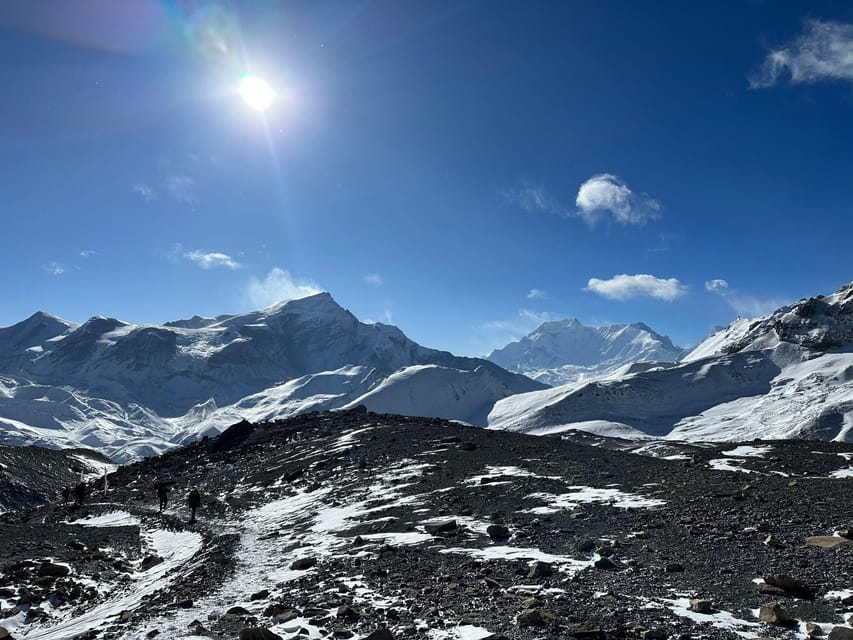
The approach to Tilicho Base Camp takes about seven hours. The route leaves the main valley and follows more rugged ground toward the lake.
This section feels more serious than the earlier walking days. You are gaining altitude, the paths can be rough, and weather can change quickly. The provided guidance warns you to prepare for varying conditions, and that advice deserves attention. A sunny morning does not guarantee a simple afternoon.
The overnight stop is at Hotel New Tilicho Base Camp, also shown by its Nepali name. Tea-house accommodation is included, but meals and drinks are not. Dinner and breakfast can be purchased at the tea house, while your guide stops at cafes for lunch during the walking days. Food usually costs about $5 to $7 per meal, so carry enough Nepalese rupees.
Cash becomes increasingly important in remote sections. Cards and reliable payment systems should not be assumed. A reusable water bottle is also on the suggested packing list, along with a waterproof bag to protect clothing and electronics.
Tilicho Lake: the high point before the high pass
The visit to Tilicho Lake is listed as about four hours of walking. You walk to the lake, spend time taking in the view, and return toward the base camp area for the night.
The payoff is a high, turquoise body of water framed by Himalayan peaks. The setting is stark rather than lush, and that contrast makes it memorable. You are not simply checking off a viewpoint. You have reached a place that requires a hard walk, careful footing, warm clothing, and patience with the altitude.
The return section continues to Shree Kharka, with about four hours of walking listed for that stage. The route then proceeds to Ledar. The supplied schedule presents these as distinct stops, so expect several consecutive days of walking rather than a long recovery period after the lake.
Weather may reduce visibility. One participant specifically noted that conditions were not always ideal, yet still found the trip memorable. That is a fair warning: high mountain scenery is not guaranteed on demand. The physical experience and village-to-village journey still matter, but you should allow for cloud, wind, or snow.
Ledar to Thorong High Camp: save your energy
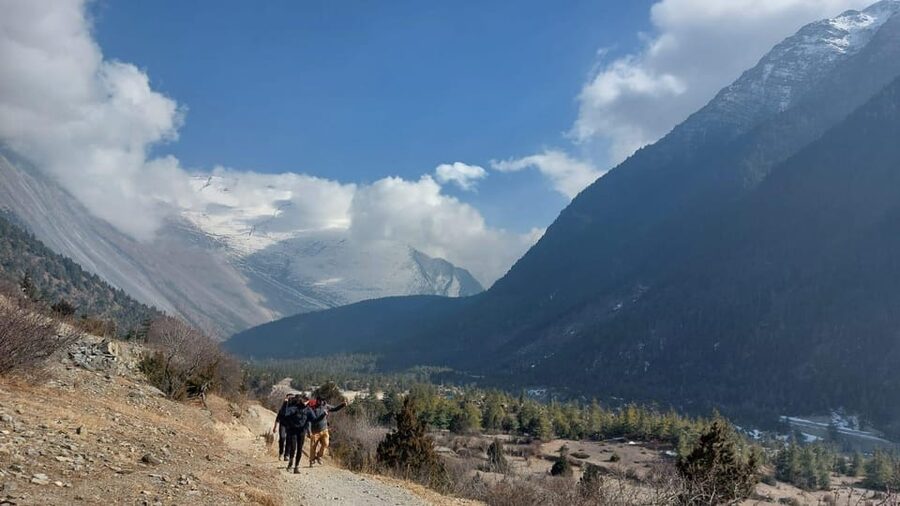
The walk to Ledar is listed at about seven hours, followed by another seven-hour day to Thorong High Camp. This is where the schedule begins to feel tight.
Ledar is a useful stopping point before the final climb toward the pass. From Thorong High Camp, you are positioned for the crossing, but you are also sleeping very high. Conditions can be cold, and the accommodation remains basic tea-house lodging.
You should keep this evening quiet. Organize your gloves, hat, water, snacks, warm layers, and headlamp before bed. The supplied packing list includes a jacket, hiking pants, gloves, warm clothing, sunglasses, sun protection, hiking shoes, and a sleeping bag. Take all of those suggestions seriously.
The route requires moderate to high fitness. It is not described as suitable for people with altitude sickness, and it is not suitable for wheelchair users, babies under one year, or people over 70. Those limits are blunt, but the altitude and duration explain them.
Thorong La at 5,416 meters
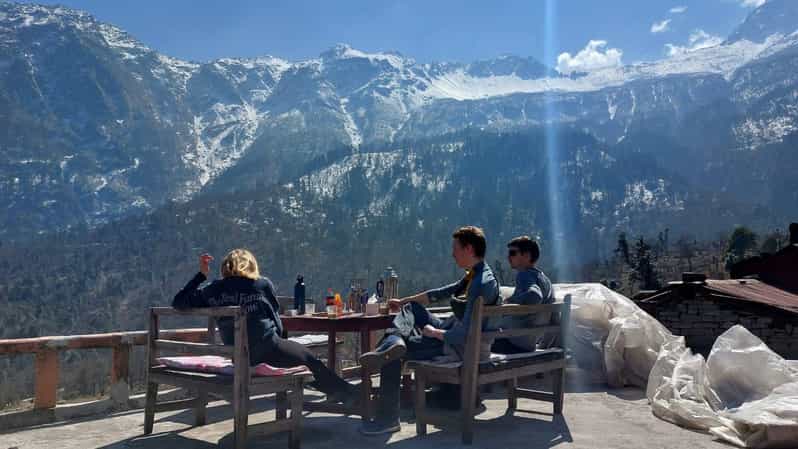
The crossing from Thorong High Camp to Muktinath via Thorong La is the trek’s defining challenge. Thorong La reaches 5,416 meters, and the crossing section is listed as about four hours before continuing to Muktinath.
The pass is often described as one of the world’s widest high mountain passes. What matters most for you is its height, exposure, and the effort required to reach it. You will want an early start, a controlled pace, and close attention to your guide’s advice.
This is the day when proper acclimatization pays off. The Manang rest day and the gradual climb are not decorative features. They are part of the safety plan. Even so, no itinerary can remove altitude risk completely.
The descent to Muktinath changes the mood quickly. Muktinath is a holy place for Hindus and Buddhists, and its religious importance gives the walk a cultural dimension beyond scenery. You can expect a busy, meaningful pilgrimage center rather than an empty mountain outpost.
Muktinath to Tatopani and Pokhara
After Muktinath, transport takes you toward Tatopani, where you stay overnight. Tatopani is known for its hot spring, giving your legs a chance to rest after the pass crossing.
The next day, you travel by bus to Pokhara. The transport information gives this journey about eight hours, so it is another full travel day, not a quick transfer. The tour ends in Pokhara rather than returning you to Kathmandu.
This final section also takes you through the Kali Gandaki Valley, an ancient trade route associated with the deepest gorge in the world. The road journey means you see a broader part of the region than you would by stopping at Muktinath, though road travel can be tiring after a long trek.
What $604 includes, and what it does not
At $604 per person, the package offers solid value if you need a guided, organized trip. Included items cover the main structural costs:
- Transport from Kathmandu to Besisahar
- Jeep transport from Besisahar to Dharapani
- Transport from Muktinath to Pokhara
- Annapurna Conservation Area permit and TIMS card
- A government-licensed English-speaking trekking guide
- Guide salary, food, accommodation, and insurance
- Tea-house accommodation during the trek
- First-aid kit
- Tax and VAT
The missing costs are important. You pay for food and drinks, trekking equipment, travel insurance, and personal expenses. At roughly $5 to $7 per meal, food adds up across 12 days. Gear rental or purchase can also change the final bill, especially if you need a warm sleeping bag, waterproof footwear, or cold-weather clothing.
I would treat $604 as the cost of the organized trekking service, not the complete cost of your Nepal holiday. The value is strongest if you appreciate having permits, transport, lodging, and a guide handled in one package.
The guide can shape the whole experience
This route is demanding enough that the guide is central to its success. Ganesh Devkota, Kumar, Jeewan, and Prakash are the names connected with the guiding team.
The most praised qualities are practical ones: keeping the group safe, explaining the mountains and villages, checking on health, adjusting walking speed, helping with accommodation, and adding cultural context. Jeewan is also noted for arranging local tea stops and pointing out good photo locations. Those small choices can turn a long day into a more personal experience.
The group limit of six is another advantage. A small group is easier to pace, and you are less likely to spend the day waiting for a large line of people. It also means your fellow walkers’ fitness and attitude will affect the rhythm more directly.
The guide speaks English. You can buy a local SIM card with data in Kathmandu, which is useful for communication before and during the route.
Who should book this trek?
I would recommend it to you if you want a compact Annapurna Circuit experience with the extra challenge of Tilicho Lake and the major crossing of Thorong La. You should be comfortable walking for around seven hours on several days and sleeping in simple tea houses.
It suits people who value scenery, mountain culture, and a guide-led structure more than hotel comfort. It also works well if you want a small group rather than a large organized departure.
I would be cautious if you have limited hiking experience, dislike long road transfers, need private or high-comfort lodging, or have not prepared for altitude. The 12-day schedule is efficient, but efficiency leaves less room for delays, illness, or bad weather.
Free cancellation up to 24 hours before departure and reserve-now, pay-later terms give you some planning flexibility. Still, your health, insurance, gear, and physical preparation deserve more attention than the booking terms.
Should you book it?
Book this trek if you want the Annapurna region’s biggest contrasts in a short, guided package: forest, high valley, Tibetan-influenced villages, Tilicho Lake, Thorong La, Muktinath, and the Kali Gandaki route.
The strongest reason to choose it is the combination of a small group and careful guide support. The main caution is the compressed schedule and the extra cost of meals and equipment. If you can handle the walking, prepare for altitude, and accept basic lodging, $604 is a sensible starting price for a demanding and rewarding Nepal trek.
FAQ
How long is the Annapurna Circuit with Tilicho Lake trek?
The experience lasts 12 days. It begins with transport from Kathmandu and finishes with a bus journey to Pokhara.
Where does the trek begin?
The pickup point is Thamel in Kathmandu. You travel by bus to Besisahar, then continue by jeep to Dharapani, where the main walking section begins.
How high is Tilicho Lake?
Tilicho Lake is listed at 4,919 meters and is promoted as the highest lake in the world.
How high is Thorong La Pass?
Thorong La reaches 5,416 meters. It is crossed on the way from Thorong High Camp to Muktinath.
Is accommodation included?
Yes. Tea-house accommodation during the trek is included in the price. Food and drinks are not included.
Are meals included?
No. You pay separately for meals and beverages. Dinner and breakfast can be purchased at tea houses, and the guide stops at cafes for lunch. Meals cost about $5 to $7 each.
What transportation is included?
Transportation includes the bus from Kathmandu to Besisahar, a jeep from Besisahar to Dharapani, and transport from Muktinath to Pokhara. The final bus journey is listed at about eight hours.
How large is the group?
The group is limited to six participants. The tour is guided in English.
Recently added around Nepal
- Kathmandu Airport Pickup and Drop-off Services★ 5.0 · 3 reviews
- Kathmandu Paragliding★ 5.0 · 3 reviews
- Paragliding in Pokhara★ 5.0 · 3 reviews
- Pokhara: 5-Day Annapurna Base Camp Trek with Hot Spring★ 5.0 · 3 reviews
- Kathmandu Chandragiri Cable Car and Swayambhunath Private Tour★ 5.0 · 3 reviews
- Explore The Beauty Of Langtang Valley In 8-Days Trek★ 5.0 · 3 reviews
- Pokhara:4-Day Ghorepani Poon Hill Guided Trek via Ghandruk★ 5.0 · 3 reviews
- Pokhara: 7-Day Annapurna Base Camp Trek via Ghandruk★ 4.3 · 3 reviews
Other Annapurna Circuit Treks worth a look

15-Day Private Annapurna Circuit Trek from Kathmandu
Read our review →
This tour also appears in