REVIEW · POKHARA TOURS
From Pokhara: 5-Day Annapurna Basecamp Trek with Hot Springs
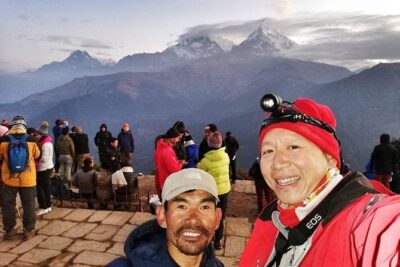
The best part of this five-day Annapurna Base Camp trek is the quick change from Pokhara’s easy lakeside life to high mountain country. In a few days, you move through bamboo and rhododendron forest, pass traditional villages, and reach a snowy amphitheater at 4,130 meters. Then you walk back down to Jhinu Danda for a hot-spring soak.
I like the private format, which lets your guide adjust the pace when your legs or the weather demand it. I also like the practical package: transport, permits, tea-house stays, guide costs, luggage storage, and hot-spring entry are covered. The tradeoff is simple: this is a hard five-day schedule, with several six to seven-hour walking days and limited time to adjust to altitude.
Key points before you book
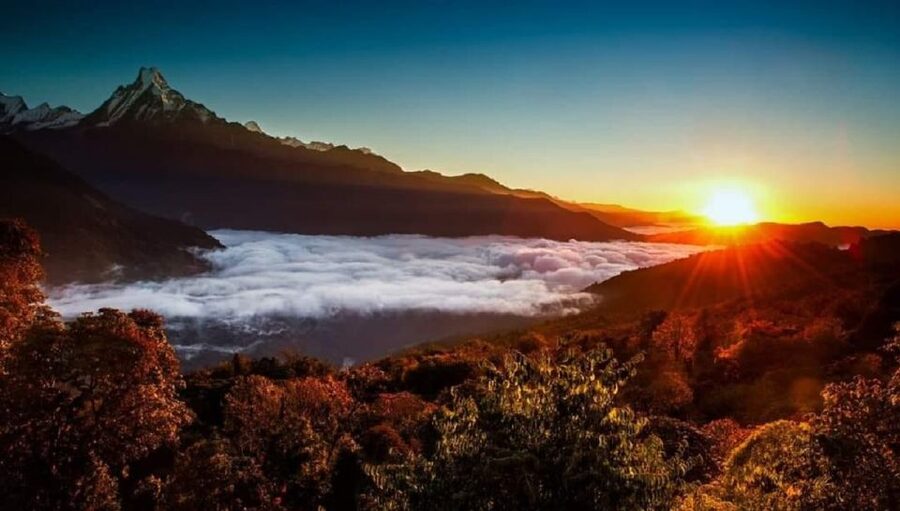
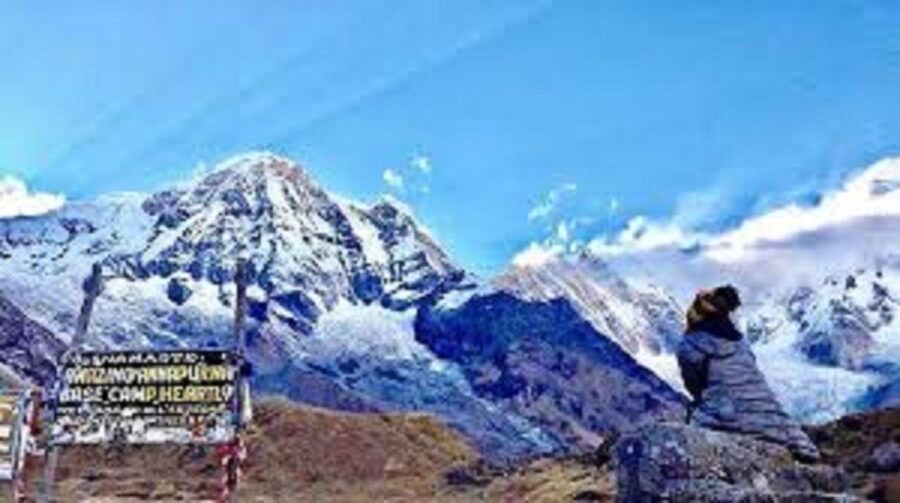
- Reach Annapurna Base Camp at 4,130 meters: The reward is a close look at Annapurna South, Annapurna I, Hiunchuli, and Machhapuchhre, also called Fishtail.
- A private group gives you more control: Your guide can set a sensible pace and make changes if weather affects the route.
- The forest section is a major part of the experience: Rhododendron, oak, and bamboo create a changing backdrop as you climb.
- Jhinu Danda adds a welcome finish: The natural hot springs give tired legs a pleasant break before the drive back to Pokhara.
- Expect basic mountain lodging: Tea houses and lodges provide a bed and meals according to the option you choose, but this is not a comfort-focused trip.
- Guide quality matters here: Guides including Anil, Santosh, Santos, Uttam, Bishnu, Sun Bahadur, Candra, and Sanik have been praised for patience, safety, encouragement, and help during weather changes.
Why the five-day Annapurna route works
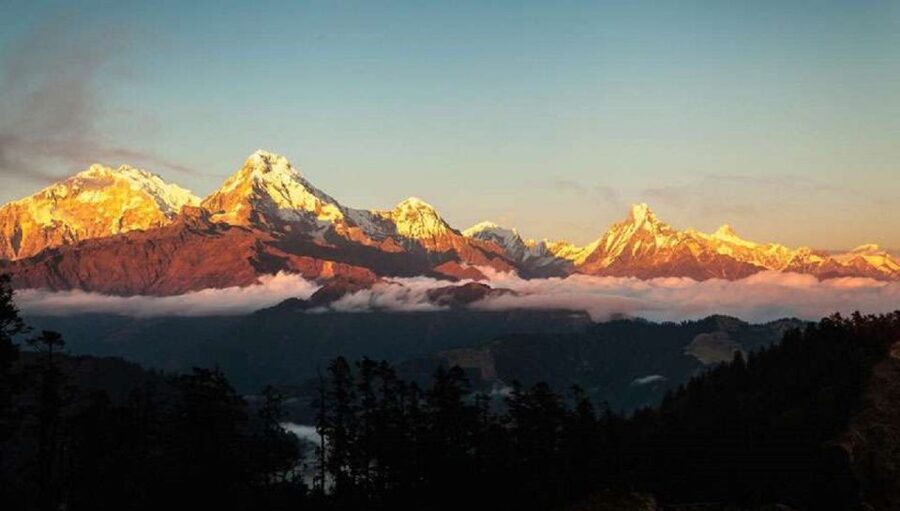
Annapurna Base Camp is one of Nepal’s most accessible major mountain destinations, but accessible does not mean easy. The route climbs through inhabited valleys and established tea-house stops rather than remote wilderness. That makes it a good first Himalayan trek for a fit person who wants a serious challenge without committing to two or three weeks on the trail.
You get a lot in a short time. The route includes forest, terraced fields, stone paths, mountain villages, and high alpine views. It also gives you contact with Gurung, Magar, and Tibetan-influenced communities, so the trek is not only about pointing a camera at peaks.
The short schedule is also its main weakness. A longer itinerary would allow more rest and a gentler increase in altitude. Here, the walk from Deurali to Base Camp is followed by a return to Bamboo the next day, so you need to arrive in good shape and take altitude symptoms seriously.
More Hiking Tours in Pokhara
- Poon hill Trek 3 days
★ 5.0 · 176 reviews - Trekking in Annapurna/Langtang/Everest/Upper Mustang regions
★ 5.0 · 161 reviews - Pokhara: 4-Day Ghorepani, Poonhill & Ghandruk Mountain Trek
★ 5.0 · 132 reviews
From Pokhara to Sinuwa, where the walking begins
Pickup is available from Pokhara, the Lakeside area, Sarangkot, Pokhara International Airport, and several listed hotels and resorts. The trip to the trailhead combines road transport in a jeep or SUV and bus or coach services, with each part listed at about three hours. Road conditions and the exact departure point can affect the day, so confirm the pickup time and route before leaving.
The route information uses both Matque and Jhinu Danda as starting references, while the detailed schedule places Jhinu Danda before the walk to Sinuwa. This is worth clarifying with the operator before you go. The supplied plan also lists a five-hour walk to Sinuwa, with Chomrong sometimes used as an overnight alternative.
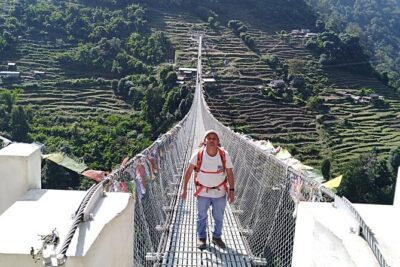
Sinuwa sits at about 2,340 meters and gives you your first real taste of the trail. The walk includes steep sections, and the early road transfer means this is a full day rather than a gentle warm-up. You pass through forest and village country, with views opening and closing as the path rises and bends.
This first night is important. Use it to organize your pack, drink water, and avoid treating the trek like a race. Your guide can help with pace, and the private-group setup makes it easier to stop when needed.
Sinuwa to Deurali through bamboo and rhododendron
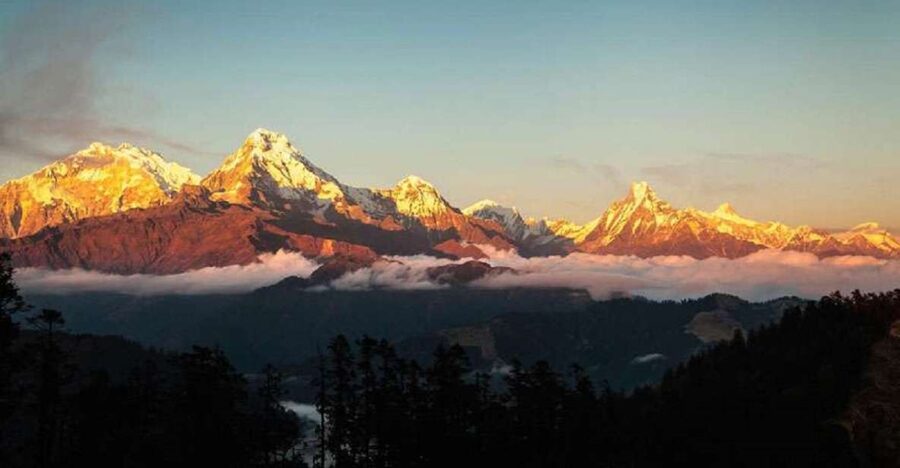
The second walking day leads toward Deurali at roughly 2,900 meters. The route passes through dense stands of bamboo, oak, and rhododendron. The forest gives shade, but it also hides much of the wider view, so do not expect constant mountain panoramas at this stage.
The path repeatedly rises and falls. That rhythm can be more tiring than a steady climb, especially when you are carrying your own daypack. The planned walking time is about six hours, though the pace will depend on your group and trail conditions.
This is where a good guide earns the fee. Several guides associated with this trip have been praised for checking on comfort, suggesting rest, and offering encouragement without rushing people. Anil, in particular, has been described as patient and supportive for first-time trekkers. Santosh has also been praised for telling trekkers to take their time and for helping with guest-house arrangements.
Deurali is a practical overnight stop before the high push. At this height, nights can be cold, and temperatures change sharply as you gain altitude. Bring layers, warm socks, rain protection, and a hat. The packing advice also includes comfortable clothes, hiking pants, trekking shoes, a camera, cash, and a change of clothes.
Deurali to Annapurna Base Camp at 4,130 meters
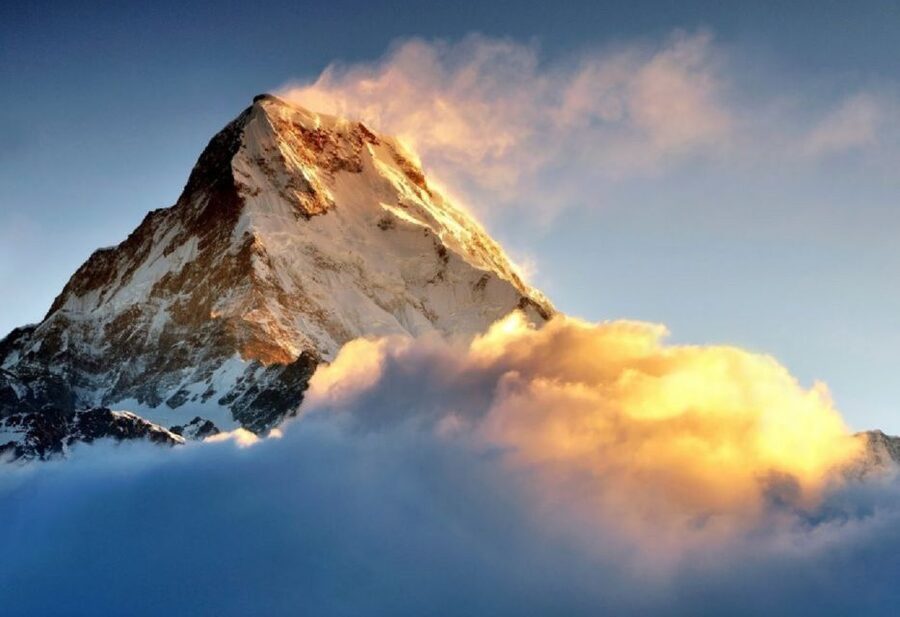
The third day is the heart of the trip. You walk from Deurali to Annapurna Base Camp, passing Machhapuchhre Base Camp on the way. The planned walking time is four to six hours, but the altitude and steep sections make this the day that demands the most care.
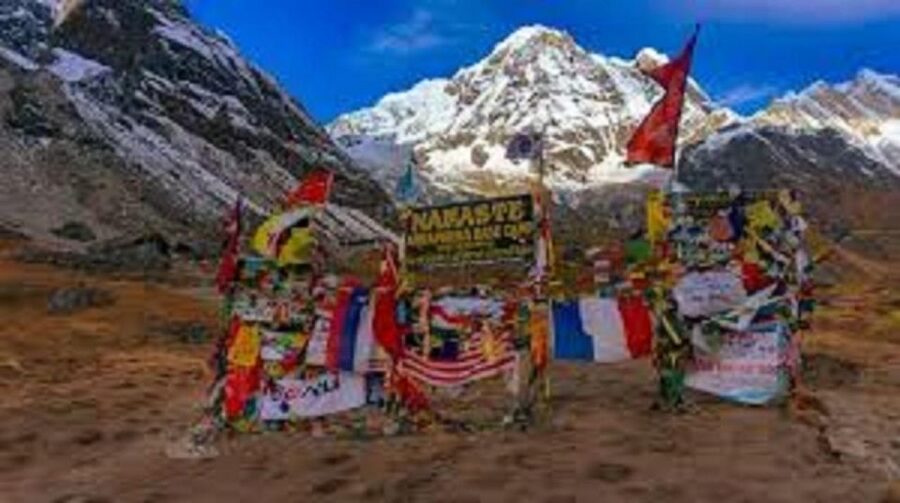
Machhapuchhre, or Fishtail, is one of Nepal’s most recognizable peaks. The route also brings views of Annapurna South, Annapurna I, and Hiunchuli. At Base Camp, the mountains surround you in a way that feels very different from a distant viewpoint near Pokhara. The attraction is not simply reaching a sign or endpoint. It is the change in scale, with rock, ice, snow, and steep walls filling your view.
Take this section slowly. Altitude affects people differently, and the tour information specifically warns that the trek can be physically demanding. You should be in reasonable health, carry travel insurance, and understand that emergency rescue is available if required but is not included in the price.
The overnight at Base Camp is a major part of the experience, but it is also the least comfortable. Accommodation is in basic tea houses or lodges, and higher-altitude temperatures can be very cold. A warm sleeping layer and careful clothing choices matter more here than extra electronics.
Give yourself time at Base Camp for photos and views, but do not linger carelessly if you feel unwell. Your guide should be your first point of contact if you develop altitude-related concerns.
More Spas and Hot Springs in Pokhara
- Pokhara: 7-Day Annapurna Base Camp Trek & Natural Hot Spring
★ 5.0 · 11 reviews - Pkr/Kathmandu: 5-Day Annapurna Base Camp & Hot spring Trek
★ 5.0 · 6 reviews - Pokhara: 7-Day Annapurna Base Camp Via PoonHill & Hot Spring
★ 5.0 · 6 reviews - Pokhara: Amazing 7-Day ABC Trek with Natural Hot Spring
★ 5.0 · 5 reviews
The long return to Bamboo
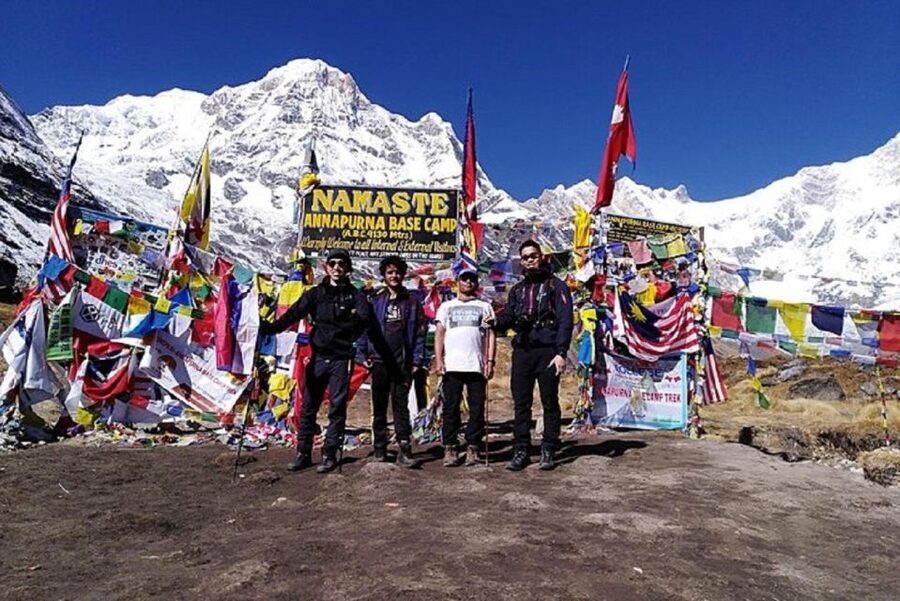
Day four retraces the route from Base Camp to Bamboo at about 2,340 meters. The route is mostly downhill, but downhill is not automatically easy. Steep descents can punish knees and toes, especially after the previous day’s climb.
The scheduled walking time is six to seven hours. Trekking poles can be useful on this section, and the operator can provide a trekking pole if required. Keep your footwear secure and use the same steady pace you used on the climb.
The return walk gives you a different view of the route. Details you missed while climbing may become easier to notice, including forest changes, village paths, and the shape of the valley. Bamboo is a welcome lower stop, though you should still expect a basic lodge and a tired evening.
This is another reason the five-day plan suits people who want efficiency but not luxury. You spend little time sitting around, and the schedule keeps moving toward Pokhara. If you prefer slow mornings, shorter walking days, or extra time for weather delays, ask about a longer version before booking.
Bamboo to Jhinu Danda and the hot springs
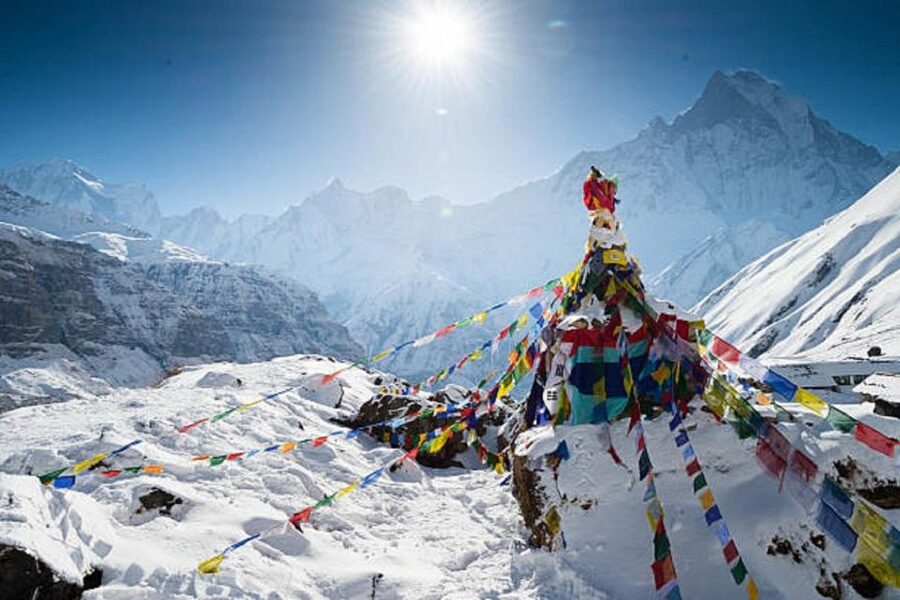
The last walking day takes about five to seven hours, depending on the exact route and pace. You descend toward Jhinu Danda, listed at about 1,780 meters, and then continue to the natural hot springs. After several days of cold mornings, stone steps, and long descents, the water is a sensible reward rather than a decorative extra.
Jhinu Danda also helps connect the mountain route with village life. You are still surrounded by the Annapurna region, but the lower elevation brings a warmer feel and a more relaxed finish. After the hot springs, you drive back to Pokhara, with the road journey listed at about two to three hours.
The route description sometimes lists Jhinu Danda as the final walking stop and sometimes as the start of the trek. That does not change the main experience, but it does make it important to confirm the exact road and walking plan with your guide. The hot-spring entry fee is included.
What the $155 price really covers
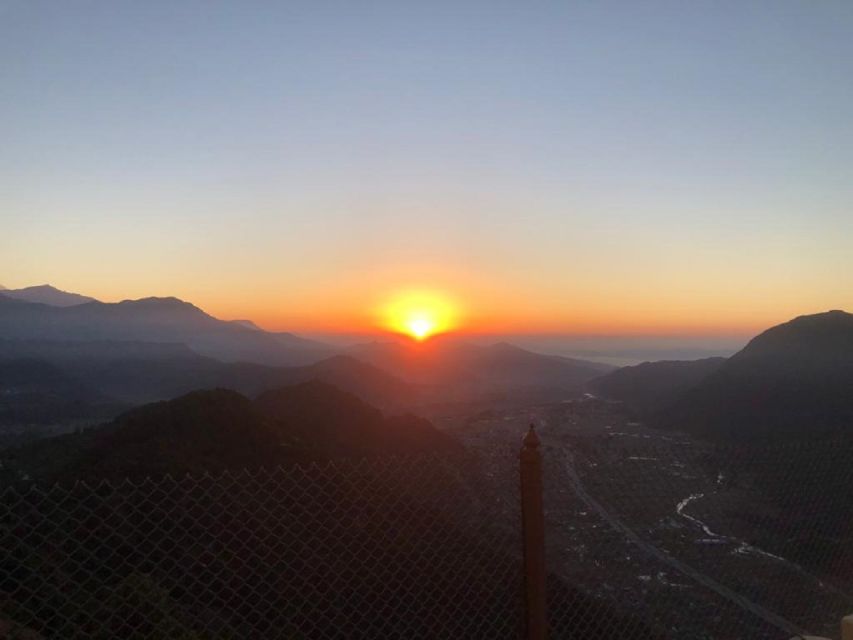
At $155 per person, the price is attractive for a private five-day trek, especially because several costs are bundled together. Included items cover round-trip transport between your Pokhara-area accommodation or airport and the trailhead, the Annapurna Conservation Area permit, basic accommodation, a government-registered English-speaking guide, guide salary and insurance, food for the guide, luggage storage in Pokhara, a first-aid kit, and hot-spring entry.
Meals for you depend on the option selected, so check exactly what your booking includes. Snacks, drinks, personal purchases, and emergency rescue are extra. A porter is not included and costs $20 per day if you decide you want one.
The value is strongest if you want one booking to handle the main logistics. You avoid arranging permits, finding a guide, organizing trail transport, and deciding where to store luggage in Pokhara. The price is less of a bargain if you expect upgraded rooms, private bathrooms, or a relaxed schedule. Basic tea-house accommodation is part of the deal, and the mountain setting limits comfort.
The private-group format adds value for couples, friends, and solo trekkers who do not want to match pace with strangers. Transport received a perfect score from all reviewers in the supplied rating data, and the overall activity rating is 4.9 from 26 reviews. Those figures suggest strong operational performance, but they do not remove the need to prepare properly for altitude and cold.
Guides, safety, and the human side of the trek
The guide may shape your experience as much as the mountains. This operator uses English, Hindi, and Nepali-speaking guides, and the guide is responsible for route support, accommodation coordination, meals and equipment related to the guiding role, insurance, and transport.
Specific guides praised in the supplied feedback include Anil, Santosh, Santos, Uttam, Bishnu, Sun Bahadur, Candra, and Sanik. Anil is repeatedly described as patient, encouraging, funny, and helpful with local information. Uttam was praised for handling food, lodging, trekking, and general care. Bishnu was noted for his calm support and friendly manner.
One group faced serious weather problems and needed a sudden schedule change. Candra, Sanik, and the company adjusted the plan effectively. That is useful context: mountain weather can disrupt a neat itinerary, and flexibility is part of safe trekking.
You must submit a passport copy at least one day before departure so the permit can be arranged. Travel insurance is mandatory. Emergency rescue is available if needed, but the cost is not included, so read your policy carefully before setting out.
Who should book this trek
I would recommend this trip to a fit visitor staying in Pokhara who wants a serious mountain achievement in a compact period. It also suits first-time long-distance trekkers who want a guide and a private group, provided they understand that the route includes steep climbs, steep descents, cold nights, and long walking days.
It may suit you particularly well if you value scenery, village contact, and practical organization more than polished accommodation. The combination of mountain views, local communities, forest paths, and hot springs gives the five days a pleasing variety.
I would hesitate if you have limited fitness, a medical concern, no travel insurance, or very little time to prepare. The schedule is not a casual stroll from Pokhara. You should also think twice if your priority is comfort, short walking days, or a slow altitude adjustment.
Free cancellation up to 24 hours before departure and reserve-now, pay-later terms make planning easier. Still, flexible booking does not replace physical preparation. Pack for warm and cold conditions, carry cash, and be ready for weather changes.
Should you book the Annapurna Base Camp trek?
Book it if you want maximum mountain scenery in five days, a private guide, included permits and transport, and a hot-spring finish. The price is strong for the amount of coordination included, and the guide feedback points to real care with pacing, safety, and morale.
Choose a longer Annapurna Base Camp itinerary if you want more rest or a gentler altitude profile. For everyone else, this is a demanding but well-focused route from Pokhara, with enough culture and forest walking to keep it from becoming only a peak-chasing exercise.
FAQ
How high is Annapurna Base Camp?
Annapurna Base Camp is at 4,130 meters, or about 13,550 feet.
How long does the trek take?
The experience lasts five days, including road transfers from Pokhara and back.
Is transportation from Pokhara included?
Yes. Pickup and drop-off are available from Pokhara, Pokhara Lakeside, Sarangkot, Pokhara International Airport, and the listed hotels and resorts.
What accommodation is provided?
You stay in basic tea houses or lodges during the trek.
Are meals included?
Meals are included according to the option selected at booking. Personal snacks and beverages are not included.
Is a trekking guide included?
Yes. An English-speaking government-registered guide is included. Guides can also speak Hindi and Nepali.
Is a porter included?
No. A porter can be arranged for $20 per day if needed.
Is travel insurance required?
Yes. Travel insurance is mandatory. Emergency rescue services are available if required, but rescue costs are not included.
What should I bring?
Bring comfortable and hiking shoes, a hat, warm and comfortable clothing, hiking pants, rain gear, a camera, cash, a passport or accepted copy, a hair tie, and suitable trekking gear.
More 5-Day Experiences in Pokhara
- Kathmandu/Pokhara: 5-Day Annapurna Base Camp (ABC) Trek
★ 4.9 · 72 reviews - Mardi Himal Trek 5 Days
★ 5.0 · 23 reviews - Ghorepani Poonhill Trek 5 Days from Pokhara
★ 5.0 · 14 reviews - 5 Days Adventures Lower Mustang Trip by 4WD Jeep
★ 5.0 · 12 reviews
Recently added around Pokhara
- Paragliding in Pokhara★ 5.0 · 3 reviews
- Pokhara: 5-Day Annapurna Base Camp Trek with Hot Spring★ 5.0 · 3 reviews
- Pokhara: 7-Day Annapurna Base Camp Trek via Ghandruk★ 4.3 · 3 reviews
- Pokhara:4-Day Ghorepani Poon Hill Guided Trek via Ghandruk★ 5.0 · 3 reviews
- Peace & Panorama: Stupa and Pumdikot Scenic Drive Tour★ 3.6 · 3 reviews
- Beautiful Sarankot Sunrise with Full Day Sightseeing in Pokhara★ 4.5 · 3 reviews
- 3 Day Australian Camp Dhampus Ghandruk Easy Trek in Pokhara★ 3.5 · 3 reviews
- Overnight Dhampus Australian Camp Easy Hiking from Pokhara★ 5.0 · 3 reviews
Other Pokhara Tours worth a look
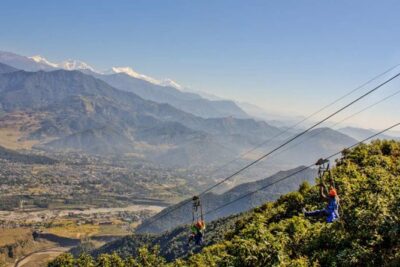
ZipFlyer Nepal – The World’s Steepest Zip-line
Read our review →
Full-Day Tibetan Cultural Tour to Tibetan Settlements Pokhara
Read our review →
Full-Day Sharing Bus Tour on 7 Iconic Destination
Read our review →