
REVIEW · ANNAPURNA CIRCUIT TREKS
Kathmandu: 10-Day Annapurna Circuit Trek via Thorong La Pass
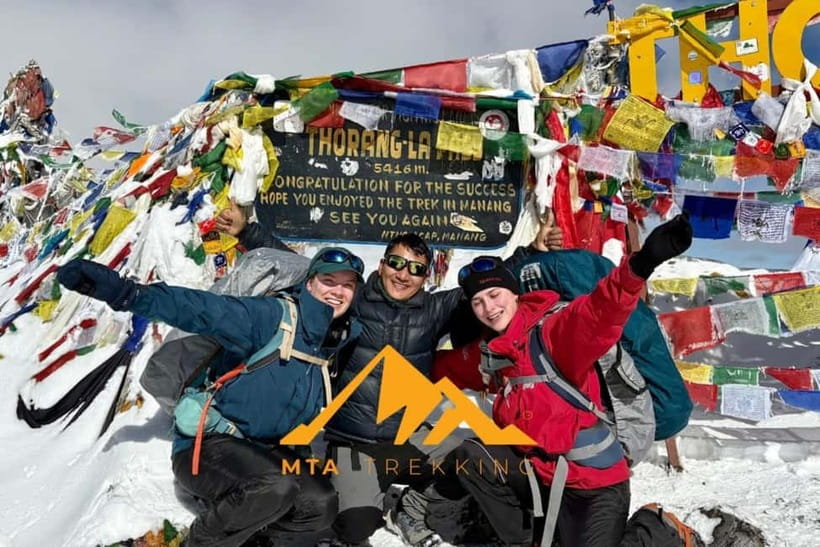
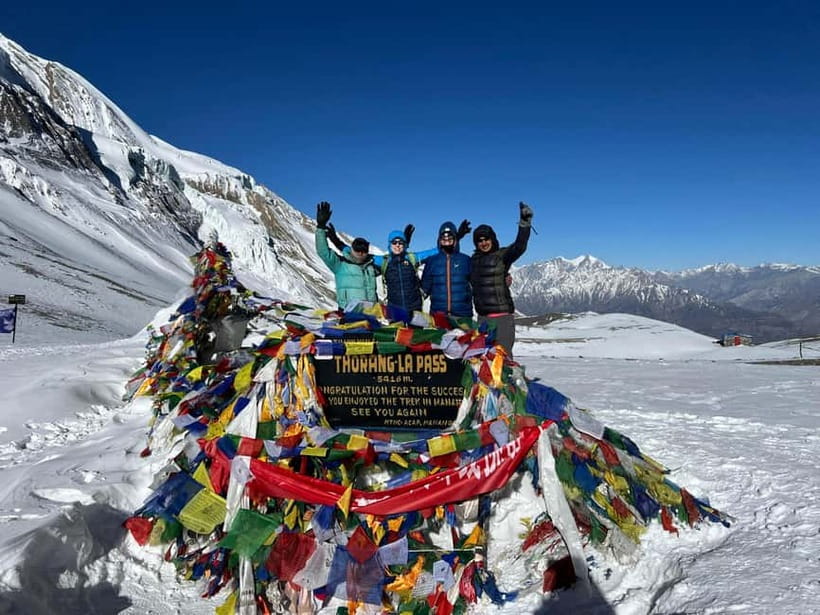
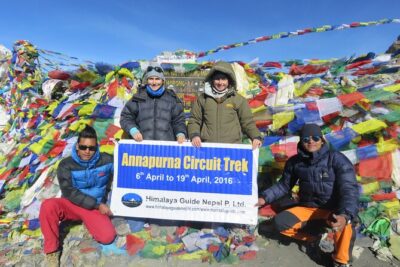
Thorong La Pass is the headline here, and rightly so. At 5,416 meters, it is a serious high-altitude crossing, reached after days of steady walking through pine forests, Tibetan-style villages, dry mountain country, and the Manang Valley. The reward is a huge view toward Mustang and Dhaulagiri.
I like the careful acclimatization plan, especially the full rest day in Manang. I also like the practical value: at $447 per person, the price includes permits, a local guide, teahouse lodging, meals, transport, and one hotel night in Pokhara. The catch is that this is not a casual mountain holiday. Cold, thin air, basic lodging, long walking days, and the risk of altitude sickness all demand respect.
Key points before you book
- Thorong La at 5,416 meters: The pass is the trek’s toughest and most memorable day, with an early start and a long descent afterward.
- A gradual route upward: Dharapani, Chame, Pisang, Manang, Yak Kharka, and Thorong Phedi allow your body time to adjust.
- Local guides make a real difference: Guides named Ganesh, Prakash, Chakra, and Ghanshyam are praised for pacing, food, hydration, route choices, and safety support.
- A private group: You trek with your own party rather than joining a large mixed group.
- Simple but useful inclusions: Teahouse rooms, three daily meals, permits, transport, a Pokhara hotel night, and emergency rescue assistance are included.
- Transport is part of the adventure: The trip begins with a seven to eight hour bus ride to Besisahar, followed by a shared jeep to Dharapani.
Why this 10-day Annapurna plan works
The Annapurna Circuit is appealing because the scenery changes almost every day. You begin among green valleys and forest, move into high mountain villages with Tibetan Buddhist influence, and finish in the dry, open country beyond the main Himalayan ridge.
This version starts from Kathmandu but does not spend a full trekking day on the lower section of the route. A bus takes you to Besisahar, then a shared jeep continues to Dharapani. That saves time, but the road journey is long and can be tiring before you even begin walking.
From Dharapani onward, the schedule is sensible. Most walking days are around four to six hours, with the major exception of the Thorong La crossing and the final walk to Jomsom. The rest day in Manang is essential, not decorative. At this altitude, moving too quickly can turn a magnificent trek into a medical problem.
The trip is arranged as a private group with an English or Hindi-speaking guide. That matters on a route where weather, pace, food, and altitude can affect each person differently. Guides such as Ghanshyam and Prakash are praised for adjusting the pace, choosing easier or more scenic routes, and reminding people to rest, drink, and eat properly.
More Hiking Tours in Pokhara
- Poon hill Trek 3 days
★ 5.0 · 176 reviews - Trekking in Annapurna/Langtang/Everest/Upper Mustang regions
★ 5.0 · 161 reviews - Pokhara: 4-Day Ghorepani, Poonhill & Ghandruk Mountain Trek
★ 5.0 · 132 reviews
Day 1: Kathmandu to Besisahar and Dharapani
Your first day is mostly about reaching the trailhead. The bus from Kathmandu to Besisahar takes about seven to eight hours, passing through hills, forests, rural settlements, and Nepali countryside. From Besisahar, you continue to Dharapani by shared jeep.
This is useful rather than glamorous transport. A shared jeep can be cramped, and the road section adds a long day before the walking begins. Still, starting at Dharapani lets the itinerary focus on the more rewarding middle and upper sections of the circuit.
Dharapani sits at about 1,850 meters, a much kinder starting height than the high villages ahead. Your first night in a teahouse gives you a chance to organize your pack and meet the guide before the real walking starts.
Day 2: Forest trails from Dharapani to Chame
The walk to Chame takes about six hours and reaches roughly 2,670 meters. You pass grassy areas with views of Annapurna II, then continue through oak and pine forest toward Bagarchhap.
Bagarchhap adds an early taste of the region’s Buddhist culture, with a Bhote village and a Buddhist temple. These stops help make the circuit more than a sequence of mountain viewpoints. You are walking through communities shaped by trade, farming, religion, and life in a difficult climate.
The trail continues to Timang, near Lamjung Himal, before leveling toward Chame. Pine forest keeps this section cool and shaded, although the steady gain in height begins to make the trek feel more demanding. You sleep in a teahouse, where simple comfort is part of the deal.
Day 3: Chame to Upper Pisang and the Bhratang Valley
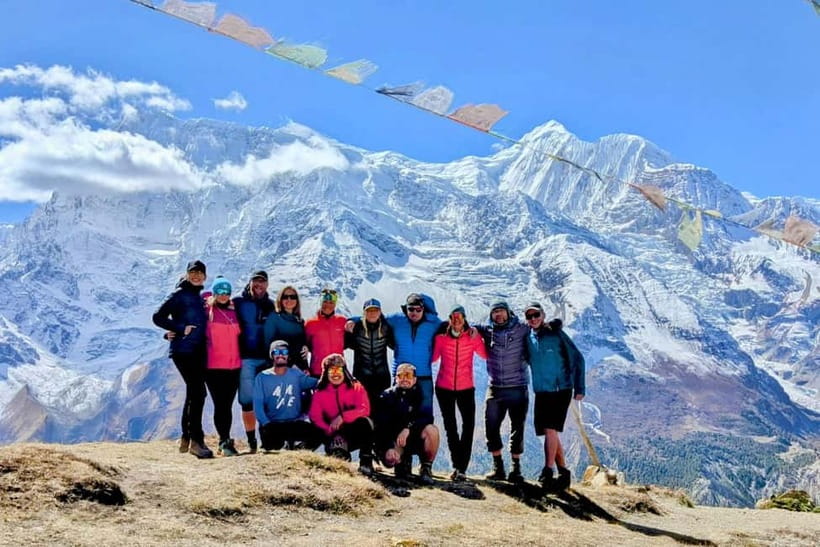
The five to six hour walk to Upper Pisang reaches about 3,200 meters. Views of Lamjung Himal accompany the route, and an apple orchard gives the day a pleasant change from forest and rock.
The trail climbs into the Bhratang Valley, then descends toward Pisang or Upper Pisang. The choice of Upper Pisang is useful for the next day’s route, but you should expect a more basic mountain stay than you would find in Kathmandu or Pokhara.
At this point, the air is thinner and the cold can be sharper, especially at night. Keep your warm clothing close, not buried in your main bag. A waterproof bag is also sensible because your gear may face rain, snow, or wet conditions during the trek.
More Annapurna Circuit Treks in Pokhara:
- Kathmandu: 9-Day Annapurna Circuit Trek via Thorong La Pass
★ 5.0 · 17 reviews - Annapurna Circuit Trek with Tilicho Lake
★ 5.0 · 368 reviews - Annapurna Circuit Trek
★ 5.0 · 94 reviews - Annapurna Circuit Trek
★ 5.0 · 35 reviews
Day 4: Upper Pisang to Manang
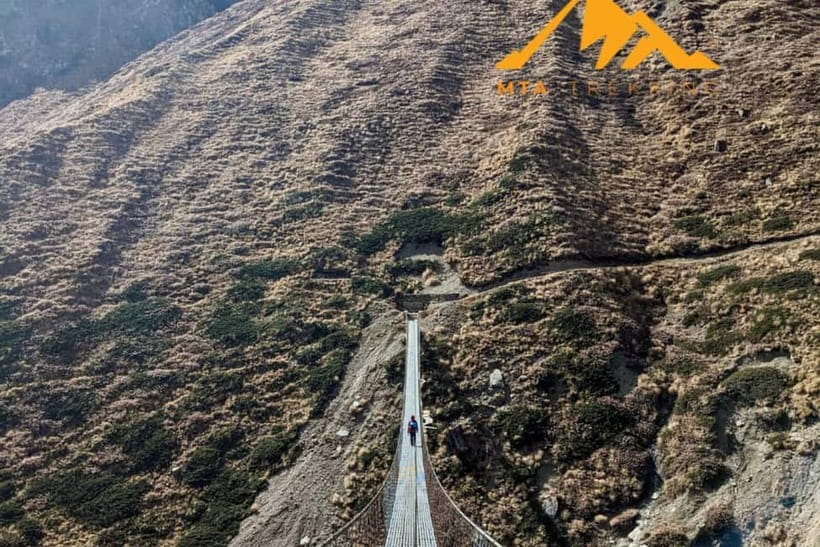
This five to six hour day takes you to Manang at about 3,540 meters. It is one of the most scenic sections, with views toward the Manang Valley, Tilicho Peak, Annapurna III, and Annapurna IV.
You cross the Marsyangdi River on a wooden bridge and pass through Mungji and Braga. Braga is especially interesting for its traditional village setting and Buddhist character, although the schedule does not promise a formal cultural tour. Take time to look around without turning every stop into a race for the next teahouse.
Manang is the key staging point before the pass. It has more time built into the schedule than the smaller overnight stops, and its position makes it the right place to pause, walk slowly, and watch for symptoms of altitude trouble.
Day 5: Acclimatization around Manang
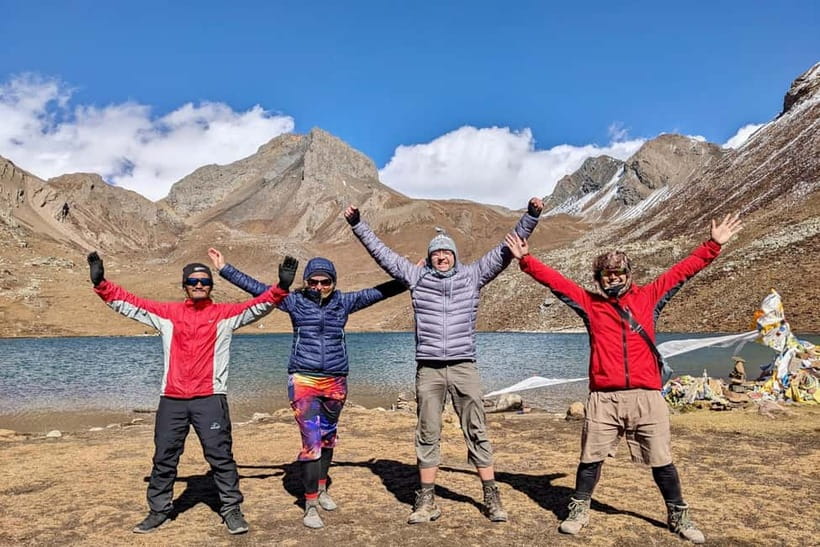
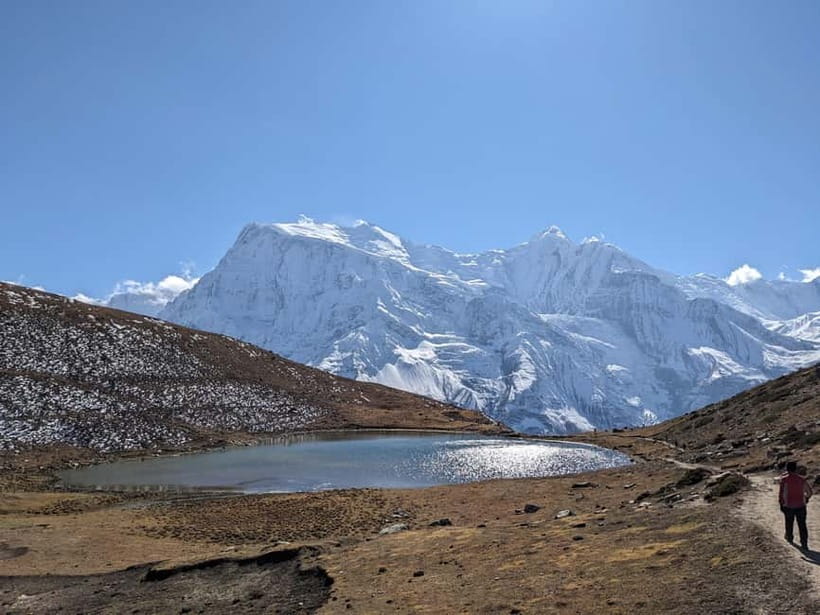
The rest day reaches an optional height of about 4,050 meters. You can use it for short walks, a visit toward an icefall, or a hike to Gangapurna Glacier Lake.
This is one of the strongest parts of the itinerary. A rest day does not mean lying in bed all day. A gentle climb and return helps your body adjust, while the option to stay lower gives you flexibility if you feel unwell.
Your guide should help set the pace. Previous groups have valued guides who focused on hydration, fresh meals, rest, and sensible food choices at high altitude. You should also speak up early about headache, dizziness, nausea, unusual tiredness, or breathing trouble. Do not treat serious symptoms as a test of willpower.
Day 6: Manang to Yak Kharka
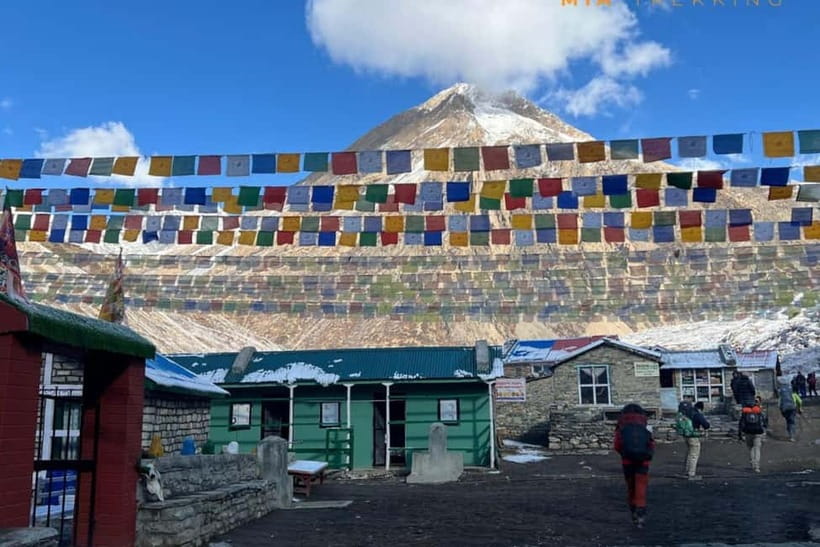
The walk to Yak Kharka takes about four hours and reaches approximately 4,050 meters. On paper, it is a short day. In practice, the altitude can make even a gradual climb feel slow.
This is where pacing matters most. Walk steadily, take regular breaks, and avoid trying to match the speed of a stronger companion. The mountain views are broad and impressive, but the thin air may be the main thing you notice.
Yak Kharka is a practical overnight stop before Thorong Phedi. Accommodation is in a lodge or teahouse, and you should expect basic facilities. Personal extras such as showers, phone calls, laundry, battery charging, bottled or boiled water, and snacks cost extra.
Day 7: Yak Kharka to Thorong Phedi
The four to five hour route to Thorong Phedi climbs to about 4,450 meters. It rises gradually to a hilltop, drops toward the upper Marsyangdi, crosses a small wooden bridge, and then climbs again along the river’s right bank.
Thorong Phedi is not a destination for comfort. It is a launch point for the pass, and the thin air can make the evening feel long. Eat, drink, organize your warm layers, and follow your guide’s advice about the next morning.
The schedule places the overnight stop below the pass rather than trying to gain too much height too quickly. That is a sensible choice. You need enough energy for the crossing, not just the satisfaction of reaching a higher sleeping point.
Day 8: Crossing Thorong La to Muktinath
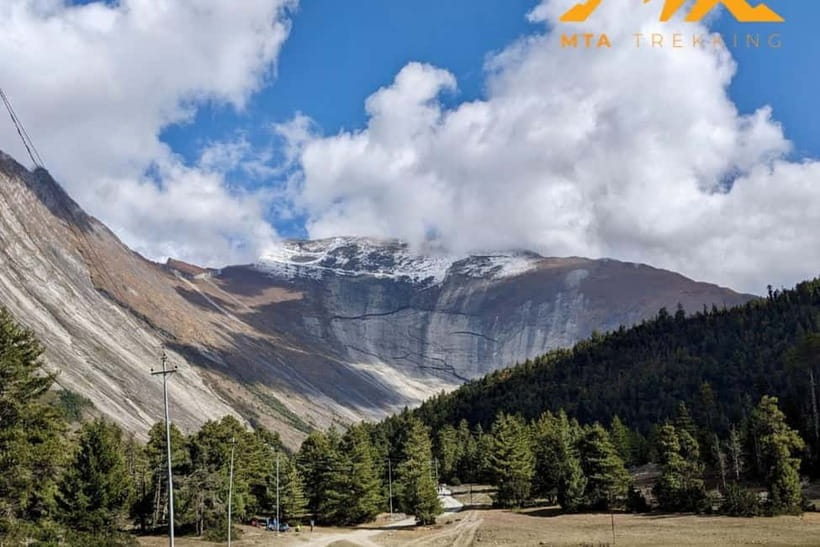
This is the defining day. You leave Thorong Phedi early and walk for seven to eight hours, reaching the Thorong La Pass at 5,416 meters before descending to Muktinath.
The climb is slow and exposed. Cold, wind, altitude, and the long approach all add up. The pass itself offers the feeling of crossing a natural divide, with the Mustang Valley and Dhaulagiri opening out on the far side.
The descent is not an easy finish. Your knees and legs may be tired, and loose ground can make downhill walking awkward. Take care here, even after reaching the pass. Muktinath is a major relief, and its religious importance gives the end of the day a different tone from the high mountain crossing.
You should have proper insurance before booking. The operator specifically advises coverage for medical care and helicopter evacuation up to 5,400 meters. Emergency rescue assistance is included, but that does not replace your own travel and rescue insurance.
Day 9: Muktinath to Jomsom through Kagbeni
The route to Jomsom via Kagbeni takes seven to eight hours. After the pass, the scenery is drier and more open, with a strong Mustang feel replacing the greener valleys below Manang.
Kagbeni is the day’s cultural highlight. You have time to explore its old village setting before continuing toward Jomsom. The walk remains long, so do not linger so long that you finish in a rush.
This day also helps you process the trek. The great physical challenge is behind you, but the route still offers village life, mountain views, and a final full day on foot.
Day 10: Jomsom to Pokhara by public bus
The final transfer takes about eight hours by public bus. It is a long ride, but it completes the journey from the high mountains to Pokhara without requiring another flight or private vehicle.
One night at Hotel Orchid in Pokhara is included, along with a farewell dinner. That is a welcome touch after the basic teahouses and long days on the trail. Pokhara gives you space to rest, wash clothes, and enjoy a softer landing after the circuit.
The bus is less comfortable than a private transfer, and the timing may feel slow at the end of an already demanding trip. The tradeoff is lower cost, which helps explain how the overall package stays at $447 per person.
What the $447 price really includes
For a 10-day Himalayan trek, the price is strong because several large costs are bundled together. You receive hotel pickup and drop-off in Kathmandu and Pokhara, transport to Dharapani, a registered local guide, teahouse and lodge accommodation, meals, permits, a TIMS card, one Pokhara hotel night, and a farewell dinner.
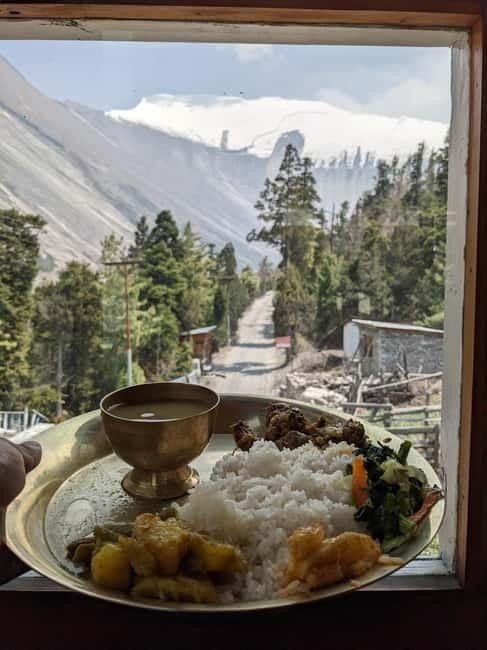
All breakfasts, lunches, and dinners during the trek are included. That makes budgeting easier, though soft drinks, alcoholic drinks, bottled or boiled water, snacks, laundry, showers, phone use, battery charging, and bar bills are not covered.
Trekking gear is also your responsibility. Bring proper hiking shoes, warm clothes, long pants, sunglasses, sunscreen, and a waterproof bag. A sleeping bag may be worth arranging in Kathmandu, especially since one 62-year-old participant used a rented extra sleeping bag and found it useful.
The low price does not mean you should cut corners on insurance. Medical and helicopter evacuation cover is an essential extra for this route.
Guide support and the value of a private group
The most important service here is not the bus or the hotel. It is the guide. On a high pass, a good guide watches your pace, appetite, hydration, sleep, and behavior as the altitude rises.
Guides named Ganesh, Prakash, Chakra, and Ghanshyam have been praised for this kind of care. Ghanshyam is described as an eight-year veteran who helped with pacing and even supplied water-purification tablets. Prakash is praised for choosing longer routes with better views and sharing information about Nepali culture, religion, and daily life. He also knew some Polish, a small detail that helped build trust.
A private group gives the guide room to adjust the day for your ability. That is especially useful above 4,000 meters, where a strong walker and a first-time high-altitude trekker may need very different rhythms.
A porter is not listed as included, and an extra porter costs more. If you are unsure about carrying your own pack, ask about this before departure. One participant credited a porter with carrying two bags of about 10 kilograms each and providing crucial support when altitude became difficult.
Who should book this trek
This route suits fit adults who want a real Himalayan crossing rather than a relaxed walking tour. You should be comfortable with several consecutive days of hiking, basic teahouse accommodation, long transport days, and a demanding pass crossing.
It is not suitable for children under 15, people with known altitude sickness, people over 70, people with respiratory problems, or pregnant women. Those restrictions are especially important because the highest point is above 5,400 meters.
You do not need to be a mountaineer, but you do need to prepare honestly. Warm clothing, good shoes, sun protection, and a willingness to walk slowly matter more than expensive gadgets. Alcohol and drugs are not allowed.
The main drawbacks to weigh
The itinerary is efficient, but it is not luxurious. Teahouses are basic, several transfers are by public or shared transport, and personal comforts cost extra.
The 10-day schedule also leaves little room for delays. Weather, road conditions, illness, or a slower pace can affect high mountain plans. The full acclimatization day helps, but it cannot remove the risks of altitude.
Finally, the crossing day is long and starts early. You may be tired before reaching Thorong La, then face a major descent to Muktinath. That challenge is the point of the trek, but it should not be softened in your expectations.
Should you book the Annapurna Circuit trek?
Book it if you want a tightly planned, private trek with strong local guide support and a clear focus on Thorong La. The $447 price offers good value because it covers the core costs, while the Manang acclimatization day and included rescue assistance add practical reassurance.
I would ask about porter arrangements, sleeping bags, current road conditions, and exactly what emergency support means before paying. I would also buy high-altitude insurance and arrive with suitable gear.
If you want private rooms, flexible transport, short walking days, or a gentle introduction to Nepal, choose another trip. If you want changing scenery, mountain villages, local food, and the satisfaction of crossing one of the world’s highest trekking passes, this is a serious and worthwhile choice.
FAQ
How high is Thorong La Pass?
Thorong La Pass reaches 5,416 meters above sea level, or about 17,769 feet.
How long is the trek?
The activity lasts 10 days, beginning in Kathmandu and ending with transport from Jomsom to Pokhara.
Is transport included?
Yes. Transport includes hotel pickup and drop-off in the Kathmandu Thamel and Pokhara Lakeside areas, a bus from Kathmandu to Besisahar, a shared jeep from Besisahar to Dharapani, and public bus transport from Jomsom to Pokhara.
Are meals included?
Yes. Breakfast, lunch, and dinner are included during the trek. Soft drinks, alcoholic drinks, bottled or boiled water, snacks, and bar bills are not included.
Where do you sleep during the trek?
Accommodation is provided in teahouses and lodges during the trek. One night at Hotel Orchid in Pokhara after the trek is also included.
Is a guide included?
Yes. An experienced, government-registered local guide is included. The available guide languages are English and Hindi.
Is this a private trek?
Yes. The activity is arranged for a private group.
What should I bring?
Bring warm clothing, a change of clothes, long pants, a waterproof bag, sunscreen, your passport or ID card, trekking gear, hiking shoes, and sunglasses.
Is travel insurance required?
The operator strongly recommends comprehensive travel insurance with medical coverage and helicopter evacuation up to 5,400 meters. Travel and rescue insurance is not included in the price.
Recently added around Pokhara
- Paragliding in Pokhara★ 5.0 · 3 reviews
- Pokhara: 5-Day Annapurna Base Camp Trek with Hot Spring★ 5.0 · 3 reviews
- Pokhara: 7-Day Annapurna Base Camp Trek via Ghandruk★ 4.3 · 3 reviews
- Pokhara:4-Day Ghorepani Poon Hill Guided Trek via Ghandruk★ 5.0 · 3 reviews
- Peace & Panorama: Stupa and Pumdikot Scenic Drive Tour★ 3.6 · 3 reviews
- Beautiful Sarankot Sunrise with Full Day Sightseeing in Pokhara★ 4.5 · 3 reviews
- 3 Day Australian Camp Dhampus Ghandruk Easy Trek in Pokhara★ 3.5 · 3 reviews
- Overnight Dhampus Australian Camp Easy Hiking from Pokhara★ 5.0 · 3 reviews
Other Annapurna Circuit Treks worth a look

15-Day Private Annapurna Circuit Trek from Kathmandu
Read our review →
This tour also appears in