
REVIEW · KATHMANDU TOURS
Kathmandu: Women-Led Cooking Class & Momo Making-Local Taste
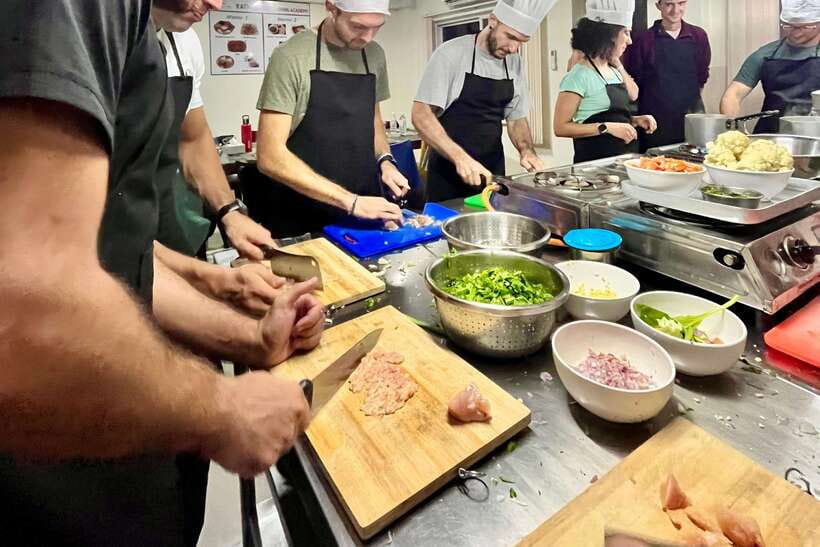
Kathmandu’s best food lesson may begin before the stove is lit. You head to a local market, choose vegetables, spices, and meat, then bring those ingredients into a modern Nepali kitchen to make dishes such as momo and dal bhat. The small class keeps the work hands-on rather than turning you into a spectator.
I like the market stop because it gives the meal a clear local setting, and I like the choice of three menus, which lets you focus on dumplings, Newari food, noodle soup, or sweets. At $11 per person, the combination of instruction, ingredients, tea, and a full meal is unusually good value.
The main caution is that this is a real cooking lesson, not just a relaxed tasting. Folding momo can take practice, and one participant found the chef a little impatient when the technique proved tricky. Ask questions early, take your time, and expect to work.
Key points before you book
- Market shopping comes first: Choose the vegetables, spices, and meat that will become your meal.
- Three menus give you a choice: Pick from bara with dal bhat and yomari, chatamari with momo and kheer, or aloo chop with thukpa and carrot halwa.
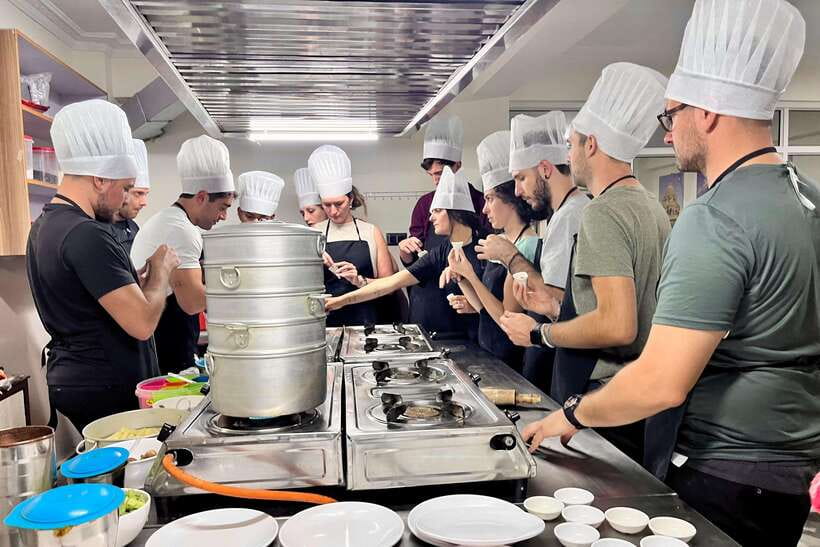
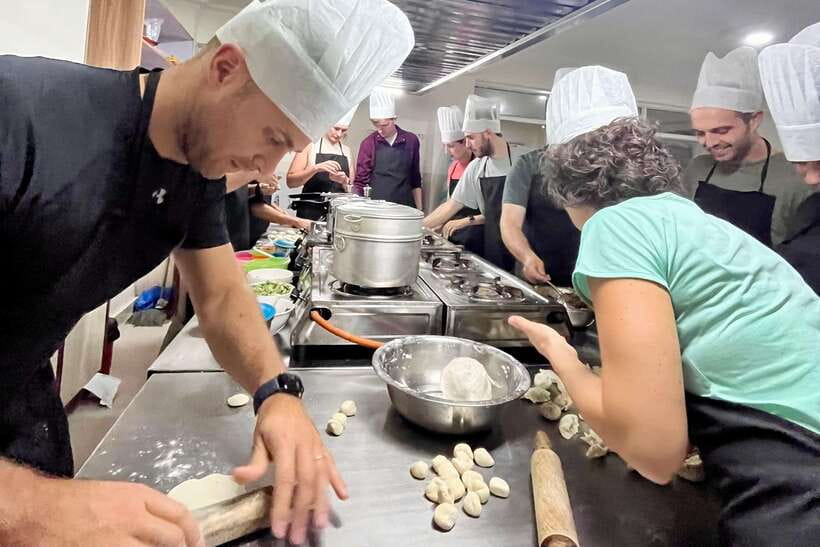
- Momo making is hands-on: You prepare the filling, shape the dough, and practice the folding method yourself.
- The class stays small: With no more than eight people, you should have room to ask questions and use the equipment.
- Masala tea is included: Sip a spiced Nepali tea during the lesson, then eat the food you have prepared.
- The price favors food lovers: The $11 fee covers the market visit, chef instruction, ingredients, equipment, tasting, and tea.
Starting in the market, where the menu takes shape
The activity starts with a shop or market tour near the workshop. The point is not simply to collect supplies. You get to see the raw materials behind Nepali cooking and learn why fresh vegetables, spices, lentils, rice, noodles, and meat matter to the finished dishes.
Your chef guides the selection of ingredients for the chosen menu. This makes the market visit useful even if you know little about Nepali food. Instead of hearing a long talk about cuisine in the abstract, you can connect the ingredients to the meal you will soon cook.
The market portion also gives the class a stronger sense of place. A standard cooking school can feel detached from its city. Here, your lesson begins with the food culture of Kathmandu itself, then moves into the kitchen. The supplied details do not promise a long market walk or a particular named bazaar, so you should expect a practical ingredient-shopping stop rather than a full market tour.
More Cooking Classes in Kathmandu
- Half day cooking class in Thamel kathmandu
★ 5.0 · 607 reviews - Kathmandu: Local Women-Led Nepali Cooking & Momo Class
★ 4.9 · 360 reviews - Kathmandu: Local Lead Nepali Cooking & Momo-Making Class
★ 5.0 · 212 reviews
Three menus, three different views of Nepali food
The menu choice is one of the best features of the experience. You do not get a single fixed plate that everyone must prepare. Instead, you can select one of three sets.
Menu 1: Bara, dal bhat, and yomari
This is the strongest choice if you want a taste of traditional Newari cooking alongside Nepal’s everyday staple.
Bara is a lentil pancake made from ground black gram, seasoned with spices, and fried until crisp outside and tender within. It can be plain or topped with egg, minced meat, or vegetables, depending on the preparation offered in class.
Dal bhat pairs steamed rice with lentil soup. It is often served with vegetables, pickles, and curry, making it a balanced and filling meal rather than a single dish. If you want to understand what Nepali home cooking means to many people, this is the menu to choose.
The sweet course is yomari, a Newari rice flour dumpling filled with molasses and sesame seeds, with coconut sometimes added. Its shape and filling give you a useful look at Kathmandu Valley food traditions.
Menu 2: Chatamari, momo, and kheer
Pick this set if momo is your main reason for booking. Chatamari is a thin rice flour crepe often called Nepali pizza. It may be topped with egg, minced meat, vegetables, and spices, so it gives you a crisp base and a range of savory flavors.
The momo session is likely the most technique-focused part of the class. You work with thin dough and a filling of meat or vegetables, then learn how to fold each dumpling before steaming or cooking it. The supplied information allows chicken, buff, pork, or vegetable fillings, though the exact option may depend on the class.
You finish with kheer, a creamy rice pudding cooked with milk, sugar, and cardamom. Nuts and raisins may be used as garnish. This menu offers the broadest spread of textures, from a crisp crepe to soft dumplings and a gentle dessert.
A different kind of day from the same base:
- Everest Base Camp Trek – 14 Days
★ 5.0 · 1,499 reviews - Private Kathmandu Sightseeing Tour | UNESCO World Heritage sites
★ 5.0 · 756 reviews - Everest Base Camp Helicopter Tour landing at Everest View Hotel
★ 5.0 · 668 reviews - Everest Base Camp Trekking
★ 5.0 · 485 reviews
Menu 3: Aloo chop, thukpa, and carrot halwa
This menu suits you if you prefer comfort food, soup, and a substantial dessert.
Aloo chop is a fried potato snack made with mashed boiled potatoes and spices. It is simple in concept but useful for learning how seasoning changes a familiar ingredient.
Thukpa is a Tibetan-Nepali noodle soup made with wheat or hand-pulled noodles, broth, vegetables, meat, and aromatic spices. Chicken, buff, or mutton may be used in a meat version. Compared with momo, thukpa gives you more practice with broth, noodles, and the balance of soup ingredients.
The final dish is carrot halwa, made by slowly cooking grated carrots with milk, sugar, ghee, and cardamom. Nuts and raisins may finish the dessert. It takes longer to cook than a quick snack, but the class format gives you a chance to see how a humble vegetable becomes a rich sweet.
Inside the Kathmandu kitchen
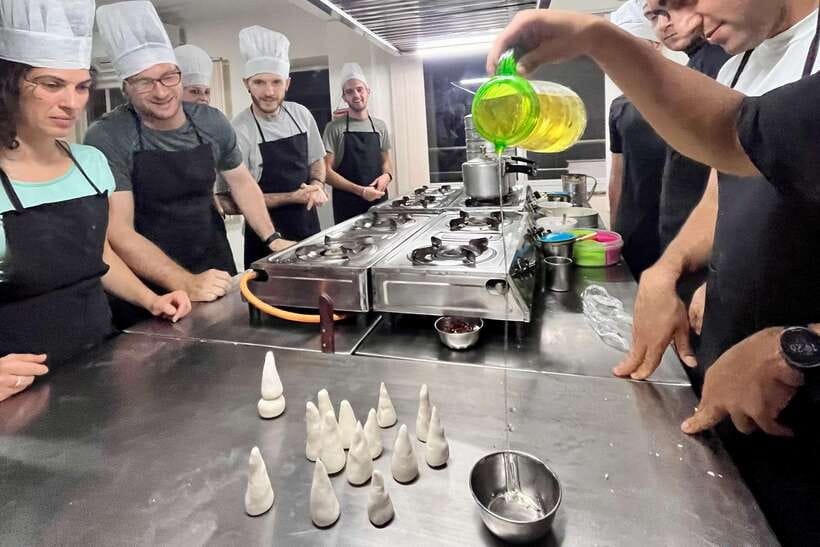
After shopping, you move into a modern Nepali kitchen and meet the English-speaking local chef. The class includes step-by-step instruction, cooking equipment, and accessories, so you do not need to bring tools.
The chef explains the ingredients, spices, and cooking methods as you work. You should expect to take part in preparation rather than simply watch demonstrations. The exact amount of work depends on the menu, but the central promise is clear: you help make the food, then eat it.
I especially like this format for people who want more than a recipe card. Dal bhat, bara, momo, and thukpa carry cultural meaning, and the lesson connects the cooking methods to Nepali food traditions. You learn not only what goes into the dish, but also how different foods fit into Nepal’s culinary life.
The class is limited to eight people. That number matters. A cooking lesson can become frustrating when you are standing behind a crowd, waiting for one cutting board or one demonstration. A small group should give you a better chance to handle ingredients and ask for help.
Still, small group does not mean private instruction. If several people struggle with a technique at once, you may need to wait for the chef to come around. The momo folding method is the clearest example. One participant had trouble with the folds and felt the chef became irritated. That is a fair warning for anyone who wants a very gentle, slow-paced lesson.
Momo folding takes patience
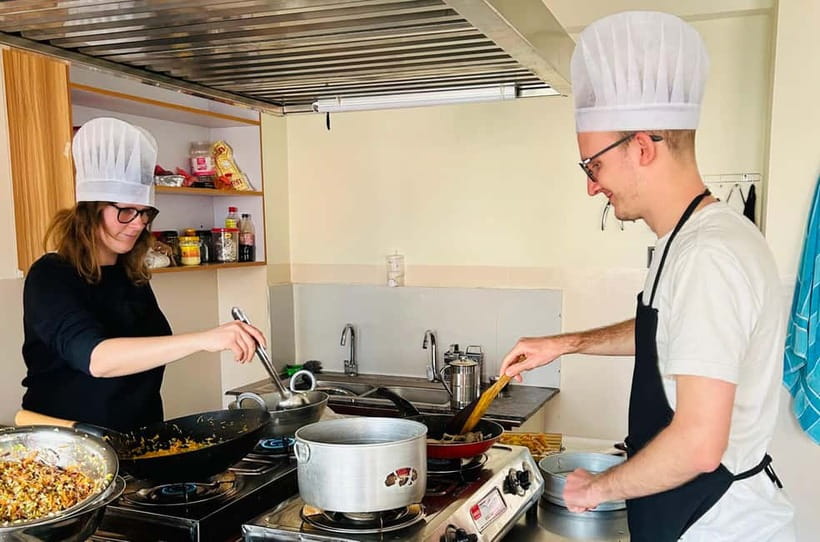
Momo making is fun, but it is also the part most likely to expose a gap between watching and doing. The dough must be thin enough to fold, the filling must be measured sensibly, and the seal needs to hold during cooking.
If your first dumplings look uneven, that is normal for a practical class. Ask the chef to show the fold again and copy the hand position before rushing to produce a full batch. The goal is not a perfect restaurant shape. The useful takeaway is learning how the dough, filling, seasoning, and cooking method work together.
You may also find that the group’s pace affects your experience. Confident cooks could move quickly, while beginners need more time. Since the workshop is designed for people aged eight and above, the room may include a mix of children, families, first-time cooks, and experienced food enthusiasts.
The best attitude is to treat the process as part of the meal. You are paying for the chance to make the food, not for a flawless plate produced by someone else.
Eating what you prepare
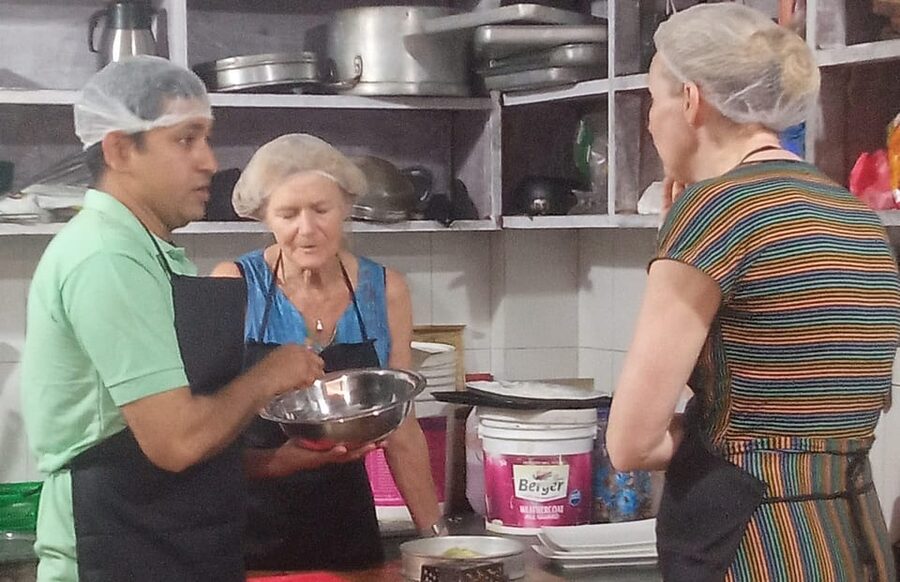
The class ends with a tasting session and the meal you cooked. This is more satisfying than a restaurant lunch because you understand the work behind each bite.
The meal can include vegetarian and meat options. Momo fillings may use chicken, buff, pork, or vegetables, while thukpa may include chicken, buff, or mutton. If you need a specific dietary choice, confirm it when booking, since the available filling and menu details are not fully specified.
Nepali masala tea is included during the lesson. It combines black tea with aromatic spices and gives you a familiar taste of a daily Nepali drink. Specialty drinks and alcohol cost extra and are not included.
The food is described as fresh, flavorful, and traditional, but keep expectations sensible. This is a short class, not a professional culinary course. You will learn useful techniques and make a meal, but you will not cover every regional style of Nepali cooking in two or three hours.
What the $11 price really covers
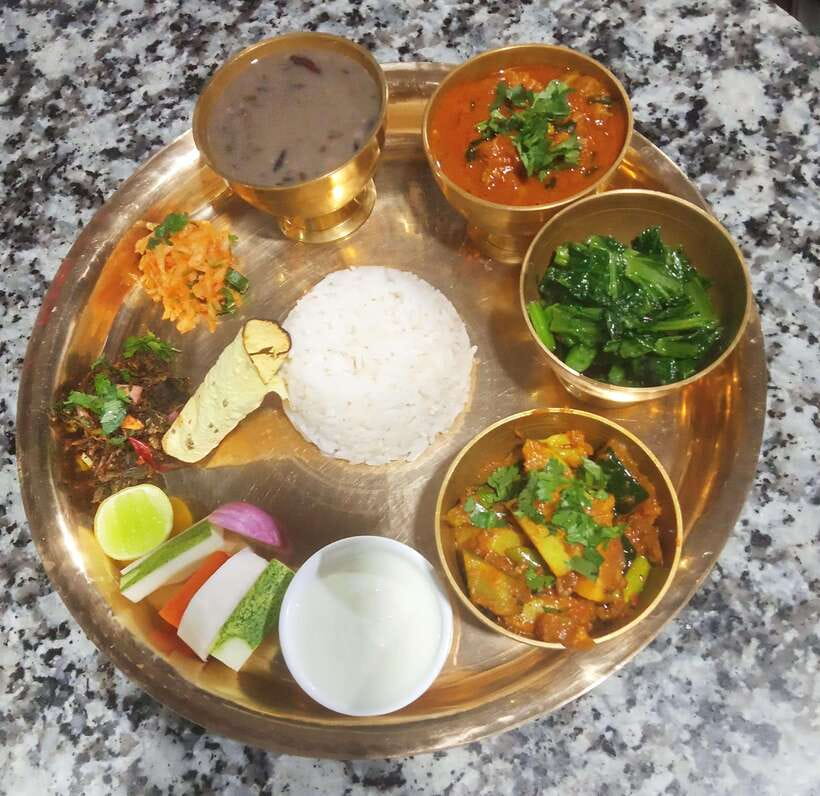
At $11 per person, this is an excellent value if you plan to eat the meal provided and take part fully. The fee covers the chef and instructor, the market or shop visit, cooking ingredients, kitchen equipment, hands-on preparation, the finished meal, and masala tea.
That list matters because cooking classes often add charges for ingredients or tastings. Here, the main activity and food are built into the price.
The value is less clear if you dislike group lessons or want a private chef. The experience is limited to eight people, not advertised as private, and professional photography or video costs extra. Specialty and alcoholic drinks are also outside the fee.
For most people, the price makes this an easy activity to fit between Kathmandu sightseeing plans. It lasts two to three hours, so it is long enough to feel worthwhile without taking an entire day.
Timing, location, and cancellation details
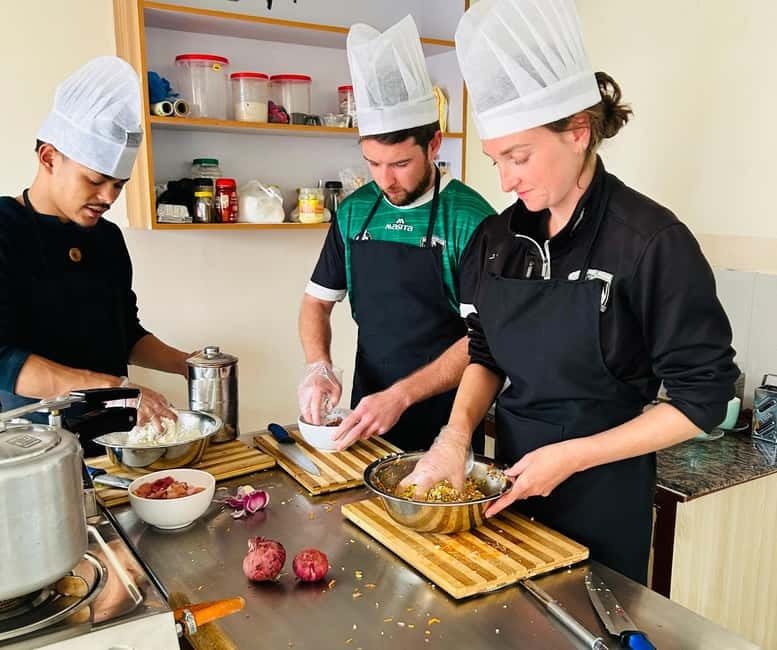
The workshop is easily accessible from Thamel and other parts of the Kathmandu Valley. The exact starting time depends on availability, so check the current schedule before choosing it as a fixed part of your day.
The activity is offered in English. It is suitable for people over eight who are interested in learning new dishes. The booking terms allow you to reserve now and pay later, and you can cancel up to 24 hours in advance for a full refund.
Those flexible terms are useful in Kathmandu, where sightseeing plans can shift with weather, transport, or altitude adjustment. Still, leave enough time to reach the workshop. The stated access from Thamel is helpful, but no pickup service or detailed transport arrangement is provided.
Who will get the most from this class
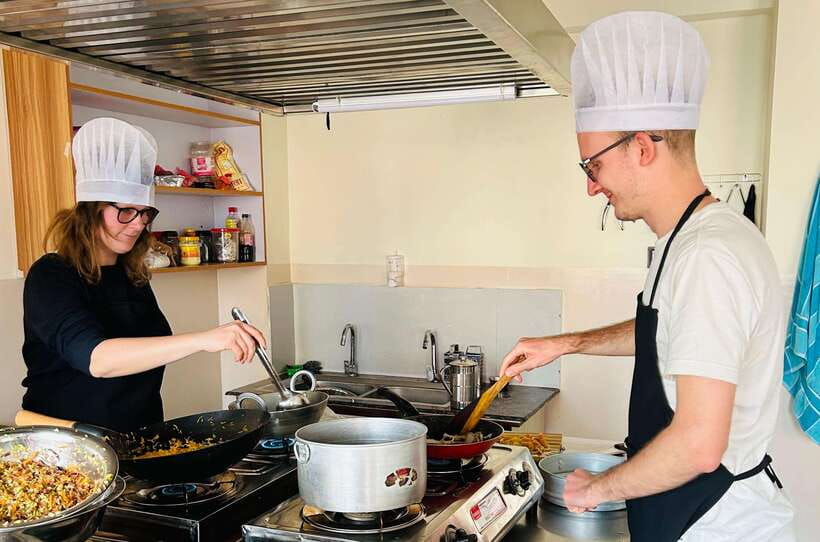
I would choose this experience for you if food is part of the reason you visit Nepal. It gives you an edible introduction to local ingredients, Newari dishes, Tibetan-Nepali food, and everyday meals.
It also suits families with children over eight, provided they are ready to participate and follow kitchen instructions. The three menus help different tastes find a good fit, and the meal gives everyone a clear reward at the end.
Beginners are welcome. You do not need professional cooking skills, and the step-by-step format is designed for hands-on learning. Just remember that beginner-friendly does not mean every technique will be effortless.
This is less suitable if you want a polished demonstration, a long cultural lecture, or a quiet meal prepared entirely for you. It is an active workshop. You chop, shape, season, cook, and possibly make mistakes before you eat.
Should you book the Kathmandu cooking class?
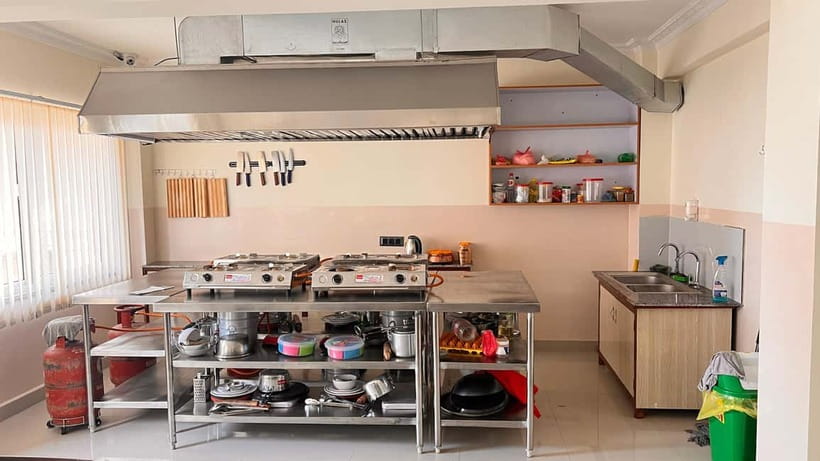
Book it if you want a low-cost, practical introduction to Nepali food and like the idea of shopping for ingredients before cooking them. The market visit, small group, menu choice, and meal you prepare make this more useful than a simple food tasting.
Choose Menu 2 if momo is your priority, Menu 1 if you want dal bhat and Newari traditions, or Menu 3 if noodle soup and desserts appeal more. Go in with patience, especially during momo folding, and ask the chef for help before frustration sets in.
At $11, the class offers strong value and a good cultural connection in a short block of time. I would book it for curious eaters, families, and first-time cooks who want to bring a little Kathmandu food knowledge home.
FAQ
How long does the cooking class last?
The activity lasts two to three hours.
How much does the experience cost?
The price is $11 per person.
Where does the cooking class meet?
The workshop location is easily accessible from Thamel and other parts of the Kathmandu Valley.
Is a market visit included?
Yes. The experience includes a market or shop tour to buy vegetables, spices, meat, and other important cooking ingredients.
What dishes can I learn to cook?
You can choose from three menu sets: bara, dal bhat, and yomari; chatamari, momo, and kheer; or aloo chop, thukpa, and carrot halwa.
Is momo making included?
Momo making is included in the menu featuring chatamari, momo, and kheer.
Are vegetarian options available?
Yes. The activity offers vegetarian and meat options. Specific fillings and choices may depend on the selected menu.
Is masala tea included?
Yes. Nepali masala tea is included during the lesson.
What language is the class taught in?
The instructor teaches in English.
What is the cancellation policy?
You can cancel up to 24 hours in advance for a full refund. You can also reserve now and pay later.
More hands-on workshops in Kathmandu
- Knife (Khukuri) Making Workshop- Forge of the Gurkhas
★ 5.0 · 143 reviews - Local Women Lead Nepali Cooking Class
★ 5.0 · 125 reviews - The best Private Nepali Cooking Class in Kathmandu
★ 5.0 · 83 reviews - Kathmandu: Traditional Momo Making Class & Pickup
★ 4.8 · 60 reviews
Recently added around Kathmandu
- Kathmandu Airport Pickup and Drop-off Services★ 5.0 · 3 reviews
- Kathmandu Paragliding★ 5.0 · 3 reviews
- Kathmandu Chandragiri Cable Car and Swayambhunath Private Tour★ 5.0 · 3 reviews
- Explore The Beauty Of Langtang Valley In 8-Days Trek★ 5.0 · 3 reviews
- Kathmandu: Nightlife and Pub Crawl Tour★ 5.0 · 3 reviews
- Kathmandu: Momo Making Class with a Local Chef★ 5.0 · 3 reviews
- Mountain Flight Experience in Nepal★ 4.5 · 3 reviews
- Everest Base Camp Trek★ 5.0 · 3 reviews
Other Kathmandu Tours worth a look


Private Kathmandu Sightseeing Tour | UNESCO World Heritage sites
Read our review →
Everest Base Camp Helicopter Tour landing at Everest View Hotel
Read our review →


Nagarkot Sunrise View and Day Hiking from Kathmandu
Read our review →
Full Day 7 UNESCO Tour with Lunch – Private/Group
Read our review →
This tour also appears in