
REVIEW · POKHARA TOURS
Pokhara: 3 Hour Authentic Nepali Thakali Dish Cooking Class
Pokhara’s best food lesson may be the one that gets you away from a restaurant table and into a local family kitchen. This three-hour class introduces you to Thakali cooking through chopping, stirring, tasting, and finally eating the meal you helped prepare. The setting is personal, not a large demonstration kitchen.
I like the hands-on format, since you are not just watching a chef wave a spoon around. I also like the family connection. Hosts named Sanva, Shanta, Roma, and Rita have guided guests through the recipes, spice choices, and everyday kitchen methods. The main consideration is that the class centers on a substantial Nepali meal, so arrive hungry and expect plenty of spices and food.
Key things to know before you book
- You cook in a family kitchen: This is a private activity for your group, with an English-speaking chef guiding the work.
- Dal Bhat is the likely centerpiece: You may prepare this famous Nepali meal or another traditional Thakali specialty.
- Tasting happens during the cooking: You can sample dishes as they develop, not only at the final lunch.
- Homegrown vegetables add local context: The ingredients reflect foods guests have seen growing around Pokhara.
- Private transport is included: Hotel pickup and drop-off come by private car.
- The $45 price covers more than tuition: Ingredients, utensils, transport, soft drinks, and lunch are included.
A family kitchen instead of a staged food show
The most appealing part of this Pokhara cooking class is its small scale. You are invited into a family home, where the cooking feels tied to daily life rather than arranged as a polished performance for a crowd.
That difference matters. You see how the kitchen is organized, how vegetables are handled, and how spices are stored and used. One especially memorable detail is Sanva’s efficient kitchen and carefully arranged spices. It is a useful reminder that Nepali cooking is not simply a matter of adding heat. The order, balance, and timing of ingredients all count.
Your group has the kitchen to itself because this is a private activity. That gives you room to ask questions, work at your own speed, and focus on the dishes instead of competing with a large class. It also makes the outing a good fit for couples, families, or a small group of friends.
The setting may be less polished than a hotel cooking studio. That is part of the point, but it also means you should come ready for a working home kitchen rather than a formal culinary school. The value lies in the contact with the cooks and the chance to take part.
More Cooking Classes in Pokhara:
- Nepalese Momos or Dal Bhat Cooking Class (Cook with Delight)
★ 5.0 · 99 reviews - Nepalese Kitchen in Pokhara: Momos or Dal Bhat Cooking Class
★ 5.0 · 67 reviews - MoMo or Dal Bhat Cooking Class at Aama Kitchen in Pokhara
★ 4.9 · 28 reviews
Meeting Thakali food through Dal Bhat
Thakali cuisine comes from the Thakali people, an ethnic group known for distinctive seasoning, local ingredients, and practical cooking methods. The class uses a signature Thakali dish such as Dal Bhat, Nepal’s familiar combination of lentil soup, rice, vegetables, and accompaniments.
Dal Bhat can look simple on the plate, but its appeal comes from balance. The lentils need seasoning, the vegetables need care, and the spices must support rather than bury the meal. During the class, the chef explains how those parts come together.
You will learn about local spices and the way they shape the final taste. You will also see traditional utensils and cooking methods that have passed through generations. The lesson is not only a recipe. It gives you a practical sense of how Nepali households turn basic ingredients into a filling, varied meal.
The meal may include a range of vegetable preparations, depending on what is being cooked for your class. One family kitchen used vegetables that guests had seen growing in the surrounding area. That detail helps connect what is on your plate with the farms and gardens you notice while moving around Pokhara.
You should not expect a restaurant-style menu with many choices. The focus is on one traditional meal and the process behind it. That narrow focus is useful if you want to understand one dish properly, but less suitable if your main goal is to sample a wide range of Nepali food.
From chopping vegetables to tasting the pot
The cooking begins with a welcome and an introduction to Thakali cuisine. The chef sets out the ingredients and explains the plan, giving you a sense of what you will be preparing before the hands-on work starts.
Then you roll up your sleeves. You may chop vegetables, help prepare ingredients, stir pots, and follow the chef’s directions as the food comes together. The class is designed for participation, so you should expect to handle the basic tasks rather than sit back for a demonstration.
That makes the lesson approachable even if you have little kitchen experience. The chef leads you through each stage, and the pace can be adjusted within the private setting. Shanta has been described as patient and generous with her time, while Roma and Rita have guided guests through both the cooking and the food culture.
Tasting during the cooking is one of the class’s most useful features. You can sample the dishes as they develop and notice how seasoning changes from one stage to the next. For a home cook, that is more valuable than receiving a finished plate with no idea how it got there.
Pay attention to the spices. The class uses a generous amount, and the seasoning is a central part of the experience. If you prefer very mild food, tell the chef about your preference at the start. The information provided does not promise customized spice levels, so it is best to discuss this directly rather than assume.
The people behind the lesson
The class is led by an English-speaking family chef, with hosts identified in the cooking experiences as Sanva, Shanta, Roma, and Rita. The exact host may vary, but the format remains personal and family-based.
That human element is a major reason to choose this class. You are not only learning how to combine lentils, vegetables, rice, and spices. You are spending time with people who cook these foods in their own kitchen and can explain the habits behind them.
The warm welcome is not a minor detail. Guests have enjoyed getting to know the family, watching the cooks move around an efficient kitchen, and sharing time at the table afterward. I like this because food becomes a doorway into local life without requiring a formal cultural lecture.
You should also allow the hosts to set the pace. A home kitchen has its own rhythm, and the class is as much about watching those routines as it is about completing a recipe. Keep questions coming, especially about spice storage, ingredient choices, and how the dish fits into Nepali meals.
For children, the class can work well if they enjoy helping with simple food preparation. An eight-year-old took part and had fun learning about the spices and process. Since the activity is private, a parent can keep the lesson comfortable for the child, though the supplied information does not specify a minimum age or dedicated children’s program.
More hands-on workshops in Pokhara:
- Pokhara: 3 Hour MoMo cooking class
★ 4.5 · 10 reviews - Pokhara: Nepali Cooking Class and Momo Making Workshop
★ 5.0 · 6 reviews - Half day cooking class in Thamel kathmandu
★ 5.0 · 607 reviews - Kathmandu: Local Women-Led Nepali Cooking & Momo Class
★ 4.9 · 360 reviews
Lunch is the final lesson
After the cooking, you sit down for lunch with the meal you helped prepare. This is the grand finale, but it also completes the lesson: you can taste the final balance after seeing each step in the kitchen.
Lunch includes soft drinks, and all cooking ingredients and utensils are provided. You do not need to shop for supplies or bring equipment. That makes the $45 price easier to judge, since the fee covers the instruction, the meal, the kitchen materials, and transport.
Come without a large breakfast. The class includes cooking and eating, and the final meal is substantial enough that you will want room for it. This is practical advice, not a novelty: arriving full can make a three-hour food class feel longer than it should.
The meal also gives you time to continue talking with the family. You can ask about the dishes you made, compare the flavors you noticed while cooking, and enjoy the social side of the visit. If you are hoping for a quick recipe lesson and a fast exit, this extended meal may feel like more than expected. If you want a personal encounter, it is one of the strongest parts.
Why the private car matters in Pokhara
Hotel pickup and drop-off are included, with round-trip travel by private car. This removes the need to arrange separate transport to an unfamiliar home and keeps the three-hour schedule simple.
Pickup is especially useful if you are staying in Pokhara and do not know the location well. You can begin the outing without spending time negotiating a taxi or worrying about finding the right entrance. Since the activity is private, your transport is also limited to your own group.
The price is $45 per person. That is not the cheapest way to eat a Nepali meal, but it is a reasonable package if you value the instruction and transport. You receive a private car, an English-speaking chef, all ingredients, utensils, lunch, and soft drinks.
The value is strongest for someone who would otherwise pay for a meal and separately arrange a cooking lesson or taxi. It is weaker if you only want to taste Dal Bhat. In that case, a local restaurant will cost less and require less time, but it will not show you the preparation or introduce you to a family kitchen.
Group discounts are available, so the per-person cost may work better for a larger private party. Since the activity is booked by one group, friends or family members can share the experience without being placed with strangers.
The activity is often booked about six days ahead. That is not a rule, but it is a sensible planning point if your Pokhara schedule is tight. Booking early also gives you a better chance of fitting the class into your preferred day.
What the class teaches beyond one recipe
The practical lesson is more than a recipe card. You learn how local cooks manage ingredients, combine spices, and build a meal from several simple parts.
Watching the chef work in a compact, organized kitchen can teach you as much as the formal explanation. Sanva’s organized spices and efficient movement offer a glimpse into the discipline behind home cooking. Shanta’s patient instruction shows the value of slowing down and repeating a step until it makes sense.
The use of vegetables familiar from the area also gives the class a strong sense of place. You are not working with anonymous ingredients in a teaching studio. You are handling foods connected to the local environment and the meals people prepare at home.
The class is also useful for comparing Nepali food with what you may have eaten in restaurants. Restaurant versions can be adjusted for visitors, while a family kitchen gives you a closer look at the seasonings and methods used in an ordinary household setting. You should not treat one lesson as the final word on all Thakali food, but it is a meaningful introduction.
Who will get the most from this experience
I would choose this class if you want food to be the main way you meet local people. It suits anyone who likes to ask questions, handle ingredients, and sit down for a long meal after the work is done.
It is a good match for:
- Couples looking for a private cultural activity
- Families with children who enjoy cooking
- Small groups wanting a shared meal and lesson
- Home cooks interested in spices and traditional utensils
- Visitors who prefer a family setting to a formal class
- Anyone who wants hotel transport included
It may not suit you if you dislike spicy food, have little interest in cooking, or want a short sightseeing stop between other activities. The class takes about three hours, and the food is a central part of the visit.
The information provided does not describe dietary substitutions, allergy procedures, wheelchair access, or a fixed menu. If any of those matter to you, ask Crystal Holidays Nepal before booking. The same applies if you need a particular pickup time or want to confirm which dish will be prepared.
Booking, cancellation, and small practical details
Confirmation is provided when you book, and mobile tickets are available. Pickup is offered, but you should provide the correct hotel details so the private transfer can be arranged properly.
Free cancellation is available if you cancel at least 24 hours before the local start time. Cancellations made within 24 hours are not refunded, and changes inside that period are not accepted.
An optional gratitude payment is not included. No extra tip is required by the listed price, but you can choose to give something if you feel the family and chef made the visit special.
Crystal Holidays Nepal operates the activity. The class has a five-star rating from 10 reviews and a 100 percent recommendation rate, which is encouraging, though the sample is small. I would treat that as a strong sign of satisfaction, not as a guarantee that every food preference or group will have the same experience.
Should you book the Pokhara Thakali cooking class?
Book it if you want a personal food lesson with a meal attached, not simply lunch in Pokhara. The private family setting, hands-on preparation, local vegetables, organized spices, and patient English-speaking instruction give the three hours real substance.
The $45 price makes sense when you count the private car, chef, ingredients, utensils, lunch, and soft drinks. It is especially good value for a couple, family, or group that wants an activity with local contact and no transport hassle.
Skip it if your schedule is packed, you want a restaurant meal only, or you need a guaranteed menu that is not supplied in advance. For everyone else, arrive hungry, expect plenty of seasoning, and let the kitchen lesson unfold at its own pace.
FAQ
Where does the cooking class take place?
The class takes place in a local family kitchen in Pokhara.
How long does the experience last?
The cooking class lasts approximately three hours.
What dish will I learn to cook?
The class focuses on a signature Thakali dish such as Dal Bhat or another traditional specialty.
Is the activity private?
Yes. Only your group participates in the activity.
Is hotel pickup included?
Yes. Hotel pickup and drop-off are included.
What type of transport is provided?
Round-trip transport is provided by private car.
Is the chef English-speaking?
Yes. An experienced English-speaking family chef leads the class.
Are ingredients and cooking equipment included?
Yes. All cooking ingredients and utensils are included.
Is lunch included?
Yes. Lunch with soft drinks is included after the cooking session.
Can I cancel for a full refund?
Yes. You can receive a full refund if you cancel at least 24 hours before the experience’s start time. Cancellations within 24 hours are not refunded.
More 3-Hour Experiences in Pokhara
- Pick 2-Wonders of Kathmandu: A 3-Hour Heritage Hop
★ 5.0 · 22 reviews - Everest Base Camp: 3 Hour Helicopter Sightseeing Tour
★ 4.4 · 17 reviews - 3 Hours Night Pashupatinath Aarati Tour
★ 4.5 · 4 reviews - Private 3-Hour Nagarkot Sunset Tour from Kathmandu
★ 3.5 · 3 reviews
Recently added around Pokhara
- Paragliding in Pokhara★ 5.0 · 3 reviews
- Pokhara: 5-Day Annapurna Base Camp Trek with Hot Spring★ 5.0 · 3 reviews
- Pokhara:4-Day Ghorepani Poon Hill Guided Trek via Ghandruk★ 5.0 · 3 reviews
- Pokhara: 7-Day Annapurna Base Camp Trek via Ghandruk★ 4.3 · 3 reviews
- Peace & Panorama: Stupa and Pumdikot Scenic Drive Tour★ 3.6 · 3 reviews
- Beautiful Sarankot Sunrise with Full Day Sightseeing in Pokhara★ 4.5 · 3 reviews
- 3 Day Australian Camp Dhampus Ghandruk Easy Trek in Pokhara★ 3.5 · 3 reviews
- Overnight Dhampus Australian Camp Easy Hiking from Pokhara★ 5.0 · 3 reviews
Other Pokhara Tours worth a look
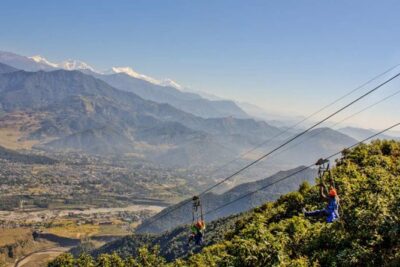
ZipFlyer Nepal – The World’s Steepest Zip-line
Read our review →
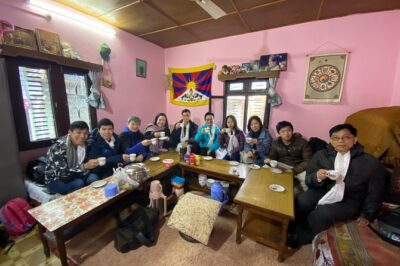
Full-Day Tibetan Cultural Tour to Tibetan Settlements Pokhara
Read our review →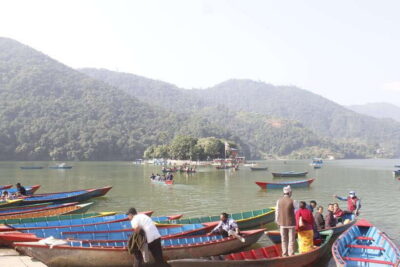
Full-Day Sharing Bus Tour on 7 Iconic Destination
Read our review →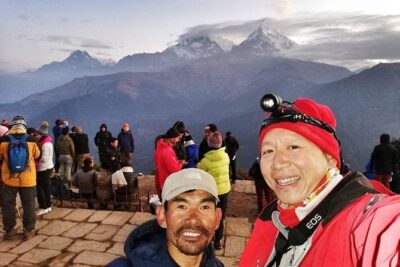
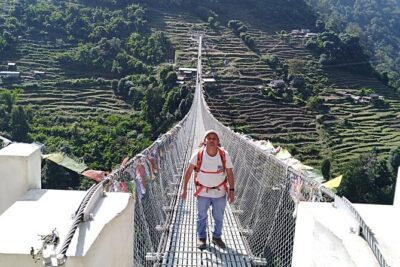
Trekking in Annapurna/Langtang/Everest/Upper Mustang regions
Read our review →This tour also appears in