
REVIEW · POKHARA TOURS
Pokhara: 3 Hour MoMo cooking class
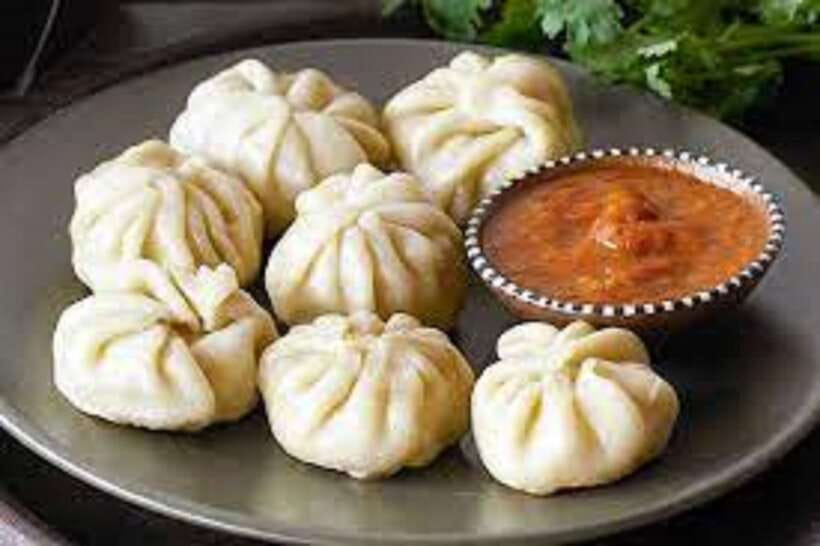
Momos are Nepal’s answer to the dumpling, and this Pokhara class lets you handle every step, not just sit down to eat them. You’ll choose a vegetarian, chicken, or meat filling, knead the dough, learn several folding styles, and finish with momos you made yourself.
I like the hands-on format, especially the chance to make both the dumplings and their sauces. I also like the small private-group setup, which can make the folding lesson much more useful than a large demonstration. The main consideration is mobility: the class is not suitable for people with mobility impairments, and the pickup is limited to Pokhara’s Lakeside area.
- Three folding techniques: Practice traditional pleats, crescent shapes, and other styles rather than making one basic dumpling.
- Your choice of filling: Prepare vegetarian, chicken, or meat momos according to the options available.
- From flour to lunch: Make the dough, filling, sauces, and cooked meal during one three-hour session.
- Small-group attention: A private booking can give you plenty of time to ask questions and correct your technique.
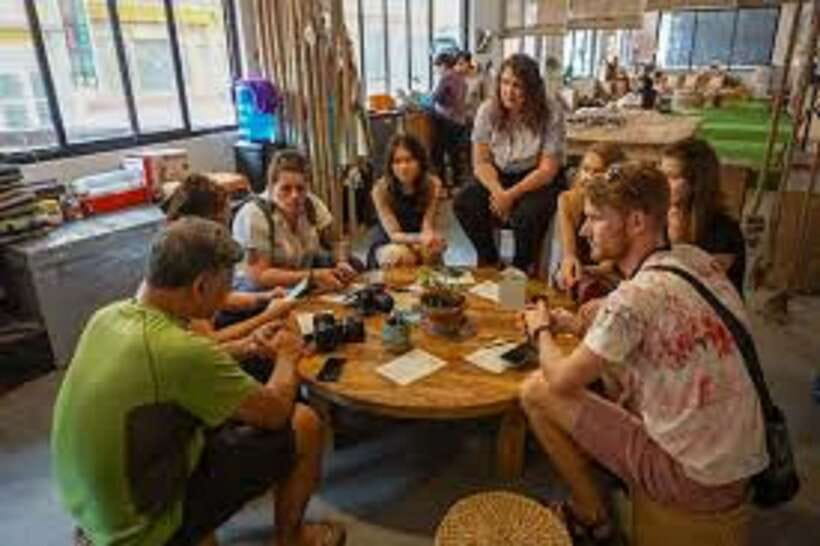
- Café setting: The class takes place at a local café, with pickup and drop-off included within the Lakeside area.
- Steamed or fried results: Depending on the session, your momos may be steamed or fried before you eat them.
Why a Momo Class Belongs in Your Pokhara Plans
Pokhara is a natural place to take a food class. Many visitors spend their days walking around the lake, arranging mountain excursions, or recovering from a trek. A three-hour cooking session gives you something different: a practical look at an everyday Nepali food that you can try to make again at home.
Momos are more than a quick snack. They are dumplings built around teamwork, repetition, and personal taste. The filling can be vegetarian, chicken, or meat. The shape changes from cook to cook. The sauce can be mild, spicy, or soy-based. You are not simply following a recipe. You are learning the small choices that affect the final bite.
I especially like that the class begins with a short explanation of what momos are and why they matter in Nepalese food culture. That introduction is only about 10 minutes, so it does not delay the cooking. You get enough context to understand the dish, then move quickly to the useful part: putting your hands to work.
The experience costs $29 per person. For that price, you receive hotel pickup and drop-off, a cold drink, the cooking materials, instruction, and the food you prepare. It is a fair price if you want a guided activity rather than just another restaurant meal. If you are already planning to eat at a café and mainly want a cheap lunch, the cost is less compelling. The value comes from the instruction and the shared activity.
Pickup From Lakeside and the Café Start
Pickup is included from hotels in Pokhara’s Lakeside area. That is convenient, especially if you are unfamiliar with the city or prefer not to arrange a separate taxi. The return transfer is also included, so the three-hour booking is easy to fit into a day of sightseeing.
The cooking takes place at a local café. One reported session was held at Café Nirvana, and the group walked there after being collected from the hotel. The exact café arrangement can be worth confirming when you book, but you should expect a straightforward local food setting rather than a formal cooking school.
Bring a passport or ID card. Leave large bags and luggage at your hotel, since they are not allowed in the class. That is sensible in a working kitchen, but it matters if you are moving between hotels or heading directly to another activity.
The experience runs rain or shine. Pokhara’s weather can change quickly, so do not count on rain as a reason to cancel on the day. Wear something comfortable and practical for handling dough and fillings. The provided information does not specify an apron or a dress code, so avoid bringing anything you would worry about around food preparation.
More Cooking Classes in Pokhara:
- Nepalese Momos or Dal Bhat Cooking Class (Cook with Delight)
★ 5.0 · 99 reviews - Nepalese Kitchen in Pokhara: Momos or Dal Bhat Cooking Class
★ 5.0 · 67 reviews - MoMo or Dal Bhat Cooking Class at Aama Kitchen in Pokhara
★ 4.9 · 28 reviews
Choosing the Filling: Vegetarian, Chicken, or Meat
The first major cooking stage takes about 40 minutes and focuses on the filling. You receive an explanation of the available choices, then prepare your own mixture with guidance from the instructor.
A vegetarian filling is a good choice if you want to keep the cooking simple or prefer the version that one participant selected during a recent class. You can also choose chicken or meat if that suits your diet. The important point is that you are involved in the preparation instead of watching someone else chop, mix, and season everything ahead of time.
This is also the stage where you can ask questions about texture. A filling that is too wet can make the wrappers difficult to close. A filling that is too dry may leave the dumpling less satisfying. The class gives you a chance to see how the ingredients come together before you start the more delicate folding work.
Dietary details beyond the three filling categories are not provided, so you should raise allergies or other food needs before booking. Do not assume that every ingredient can be changed on request. The instructor speaks English and Hindi, which should make basic cooking questions easier for many people, but the available language does not guarantee that every dietary request can be met.
Making Dough From Scratch in 30 Minutes
After the filling comes the dough. This section lasts about 30 minutes and covers the ingredients, their purpose, kneading, and resting.
Making momo dough is a useful part of the class because it shows how much the wrapper affects the result. You will knead the dough yourself, then let it rest briefly. That pause is part of the process, not wasted time. It allows the class to move on to other preparation while the dough becomes easier to work with.
The instructor gives step-by-step guidance, so you do not need previous cooking experience. Still, expect a little trial and error. The dough has to be rolled thin enough to fold neatly but strong enough to hold the filling. If you roll it unevenly, some momos may cook differently from others.
I like this section for a practical reason: you leave with a technique, not just a memory. The ingredients are basic, and the method is something you can attempt in your own kitchen. Your first homemade batch may not look perfect, but the class helps you understand what to adjust next time.
Rolling Wrappers and Learning Three Shapes
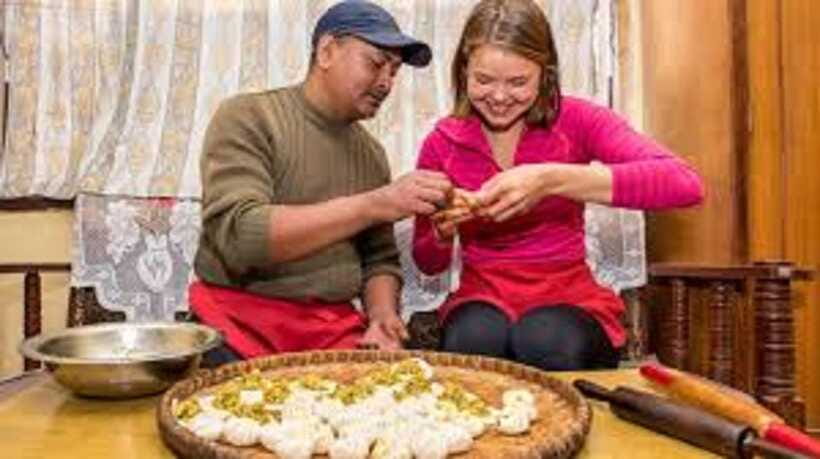
The rolling and shaping section takes about 40 minutes. This is the most playful part of the class, and also the one where patience helps.
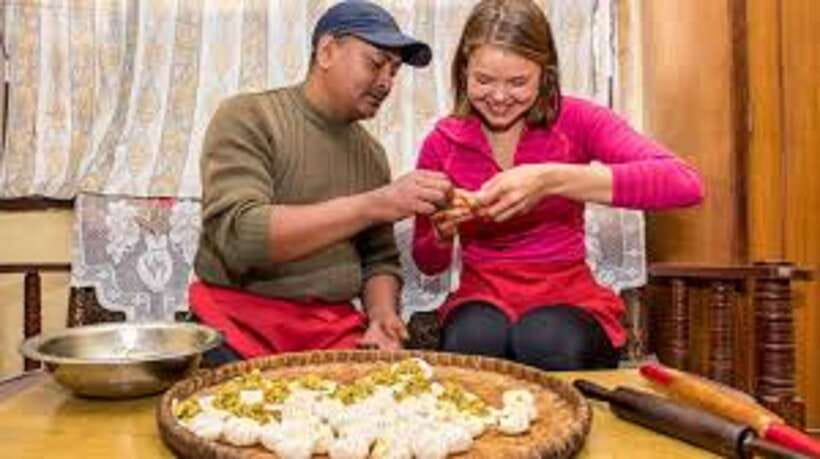
You will see how to roll each wrapper to the right thickness, then practice several styles. The class covers traditional pleats, crescent moon shapes, and another folding technique. One participant described learning three methods, which is a useful amount of variety for a short lesson.
Do not expect every dumpling to look identical. That is part of the fun. Some folds will close neatly, while others may open a little or look more like an abstract sculpture. The important skill is sealing the wrapper around the filling so it survives steaming or frying.
A small private group is a real advantage here. In a larger class, you might watch a demonstration from a distance and then struggle alone. With fewer people, you have more opportunity to show your fold, ask for a correction, and try again. One recent session had only two people, making it especially interactive.
If you are taking the class with children or friends, the shapes also give the activity a light competitive edge. You can compare neat pleats, unusual forms, and the dumpling that somehow refuses to close. The final plate does not need to win a beauty contest. It needs to taste good.
More hands-on workshops in Pokhara:
- Pokhara: 3 Hour Authentic Nepali Thakali Dish Cooking Class
★ 5.0 · 10 reviews - Pokhara: Nepali Cooking Class and Momo Making Workshop
★ 5.0 · 6 reviews - Half day cooking class in Thamel kathmandu
★ 5.0 · 607 reviews - Kathmandu: Local Women-Led Nepali Cooking & Momo Class
★ 4.9 · 360 reviews
Steaming, Frying, and the Final Cooking Stage
Once the dumplings are shaped, the class moves to cooking. The planned steaming section takes about 20 minutes and explains how to set up the steamer, why steam matters, and how to tell when the momos are tender and cooked through.
The process is valuable because steaming is not just a switch you turn on. The arrangement of the dumplings, the cooking time, and the condition of the wrappers all affect the result. You get to load and steam the momos you prepared, rather than receiving a finished plate from the kitchen.
One class also included fried momos alongside steamed ones. That gives you a useful comparison. Steamed momos keep the wrapper soft and delicate, while fried momos offer a firmer, more browned outside. The exact cooking method may depend on the session, so ask if trying both styles is important to you.
The class materials are included, and the food you prepare forms the main meal at the end. The activity details also say that additional food and drinks are available for purchase. You should not read that as a promise of a large restaurant menu included in the price. Think of this as a cooking lesson with a tasting meal, not a full dining experience.
Mixing Momo Dipping Sauces
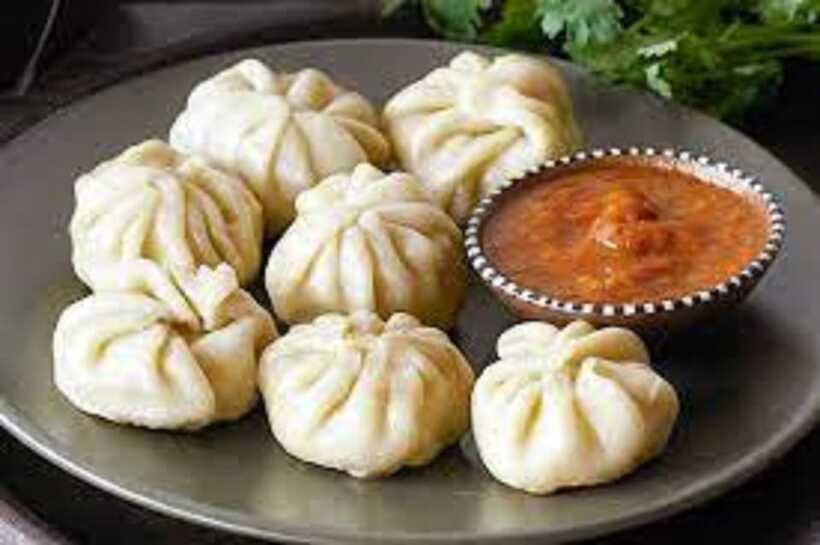
A good momo depends heavily on its sauce. The sauce section takes about 15 minutes and introduces several options, including spicy, mild, and soy-based styles.
You will prepare your own dipping sauces instead of receiving a single standard condiment. That gives the class another useful lesson in balance. A spicy sauce can bring heat, a mild sauce can let the filling speak for itself, and a soy-based sauce can add salt and depth.
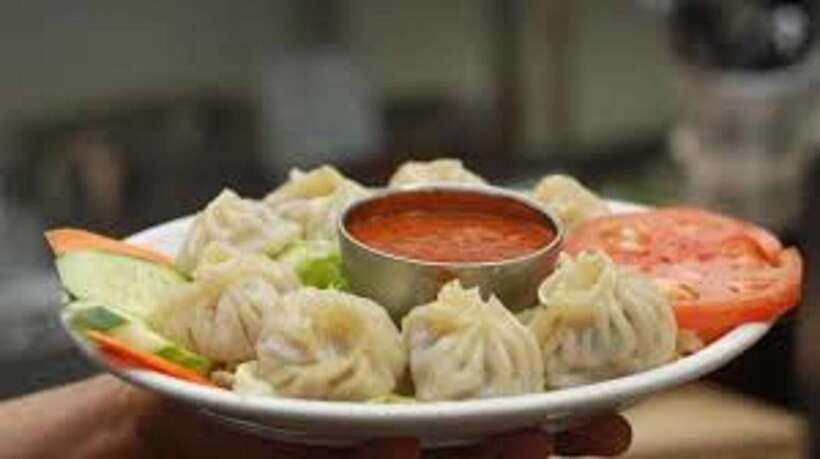
Two sauces were made during one class, and they were served with the finished momos. This is a small detail, but it makes the final tasting feel more complete. You have not only made the dumpling. You have built the plate around it.
If you prefer mild food, tell the instructor before the sauce is mixed. If you like heat, you can ask about the spicy option. The provided information does not specify the exact ingredients or level of chili, so the instructor is the right person to guide that choice.
Sitting Down to Eat What You Made
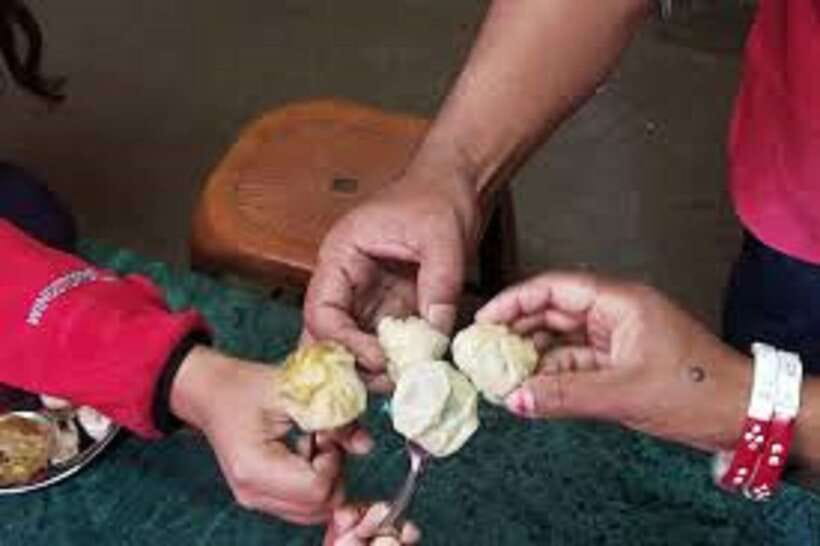
The tasting takes about 15 minutes. Everyone gathers to try the finished momos with the sauces, and the instructor provides feedback and answers questions.
This is the payoff, but it is also where the class becomes social. You can see how different folding methods held up, compare steamed and fried versions if both were prepared, and taste how the filling and sauce work together. Food you make yourself usually comes with a little extra satisfaction, even when one dumpling looks less polished than planned.
The class includes a cold drink for each person. Other food and drinks are available to purchase, but they are not part of the stated inclusions. If you have a large appetite, keep that in mind when planning the rest of your day.
The final 10 minutes are reserved for questions and a recap. Use this time to ask about repeating the recipe at home, storing ingredients, or improving your folding. The most useful souvenir here is not a photograph. It is the ability to make another batch without starting from zero.
How the Private Format Changes the Experience
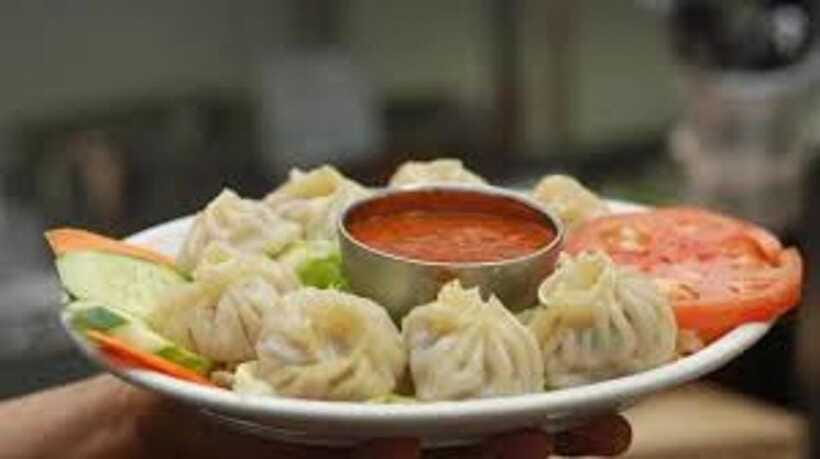
This is a private-group activity, and that matters more in a cooking class than it would on a simple sightseeing walk. You are working with dough, filling, and small hand movements. Individual correction is useful.
The private format does not mean you will receive a long private lecture. The whole class is only three hours, and the schedule moves through several stages. Instead, the benefit is access: you can ask questions, get help with a stubborn fold, and spend more time practicing.
A booking with only two people can feel almost like a personal lesson. A larger private group may feel more social and lively, but each person could have less direct attention. If you are booking for a couple or a small family, this setup is particularly appealing.
The instructors speak English and Hindi. That is enough for the food instructions described here, though travelers who need detailed discussion of allergies or special diets should explain those needs clearly in advance.
Who Should Book This Pokhara Cooking Class
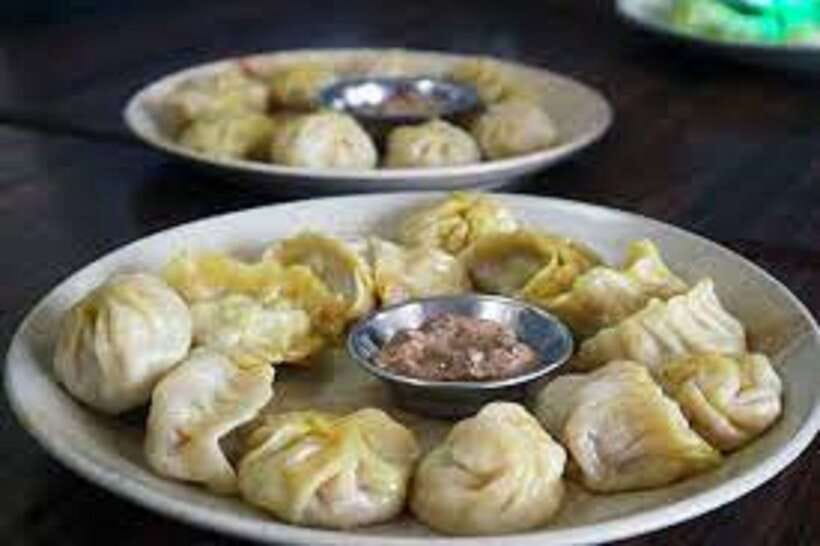
I would recommend this experience to you if you want an activity that is local, relaxed, and practical. It suits people who enjoy food, couples looking for a shared afternoon, families who can manage a kitchen activity, and anyone who wants to take a Nepali recipe home.
It is also a good break from a packed sightseeing schedule. Three hours is long enough to feel like a real activity but short enough to leave time for other plans. Since pickup and drop-off are included within Lakeside, you do not have to spend part of the afternoon arranging transport.
You should think twice if you dislike hands-on cooking or expect a polished restaurant meal with no effort. The class includes chopping, mixing, kneading, rolling, folding, and cleaning up the inevitable imperfect dumplings. That work is the point.
It is not suitable for people with mobility impairments. The provided information does not explain the specific physical layout or seating arrangements, so contact the provider if you have a mobility concern that is not covered by that general warning.
Practical Value at $29 Per Person
At $29, this is priced above a basic plate of momos, but you are buying more than food. You receive transportation within the stated pickup zone, a cold drink, ingredients and equipment, instruction, and a meal made during the class.
The strongest value comes from the amount of participation. You prepare the filling, make dough, shape the momos, mix sauces, and cook the final dish. A class that only demonstrates those steps would offer less for the same time.
The value is also better when you are two people or a small private group. You share the activity without being lost in a crowd, and you can ask questions as you go. If you are comparing this with a regular café lunch, the class will take longer and cost more. If you are comparing it with other guided activities in Pokhara, the price is reasonable for a three-hour private food lesson with transport.
Free cancellation is available up to 24 hours before the start for a full refund, and you can reserve while paying later. Those terms help if your Pokhara schedule may change because of weather or trekking plans. The class itself operates rain or shine, so a rainy afternoon does not automatically end the activity.
Should You Book It?
Book this momo class if you want to learn by doing. The best parts are the choice of filling, the dough lesson, the three folding styles, the homemade sauces, and the chance to eat the results while they are fresh. The small private format makes the instruction more personal, and the included pickup keeps the afternoon simple.
Skip it if you only want a quick meal, need a fully accessible activity, or dislike handling food. Also confirm the pickup point if you are staying outside Pokhara’s Lakeside area.
For most food-minded visitors, $29 is a fair trade for a useful skill and a satisfying local meal. You may not produce perfect pleats on your first attempt, but you will understand why momos work, and you will have a better chance of making them again at home.
FAQ
Where does the momo cooking class take place?
The class takes place at a local café in Pokhara. Pickup and drop-off are provided within the Lakeside area.
How long does the experience last?
The activity lasts three hours, including the introduction, food preparation, cooking, tasting, questions, and conclusion.
What types of momo filling can I choose?
The available filling options are vegetarian, chicken, or meat. You prepare the filling during the class.
Are the cooking ingredients and materials included?
Yes. All momo cooking materials are included, along with one glass of cold drink per person.
What languages does the instructor speak?
Instruction is available in English and Hindi.
Can I cancel the booking if my plans change?
Yes. You can cancel up to 24 hours in advance for a full refund. You can also reserve now and pay later.
More 3-Hour Experiences in Pokhara
- Pick 2-Wonders of Kathmandu: A 3-Hour Heritage Hop
★ 5.0 · 22 reviews - Everest Base Camp: 3 Hour Helicopter Sightseeing Tour
★ 4.4 · 17 reviews - 3 Hours Night Pashupatinath Aarati Tour
★ 4.5 · 4 reviews - Private 3-Hour Nagarkot Sunset Tour from Kathmandu
★ 3.5 · 3 reviews
Recently added around Pokhara
- Paragliding in Pokhara★ 5.0 · 3 reviews
- Pokhara: 5-Day Annapurna Base Camp Trek with Hot Spring★ 5.0 · 3 reviews
- Pokhara:4-Day Ghorepani Poon Hill Guided Trek via Ghandruk★ 5.0 · 3 reviews
- Pokhara: 7-Day Annapurna Base Camp Trek via Ghandruk★ 4.3 · 3 reviews
- Peace & Panorama: Stupa and Pumdikot Scenic Drive Tour★ 3.6 · 3 reviews
- Beautiful Sarankot Sunrise with Full Day Sightseeing in Pokhara★ 4.5 · 3 reviews
- 3 Day Australian Camp Dhampus Ghandruk Easy Trek in Pokhara★ 3.5 · 3 reviews
- Overnight Dhampus Australian Camp Easy Hiking from Pokhara★ 5.0 · 3 reviews
Other Pokhara Tours worth a look
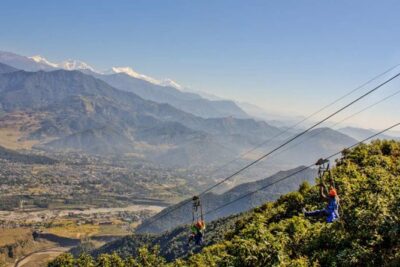
ZipFlyer Nepal – The World’s Steepest Zip-line
Read our review →
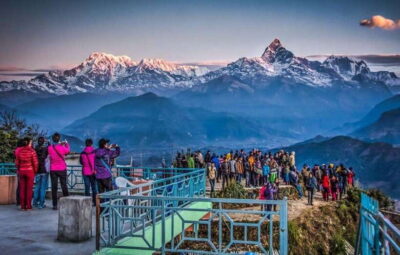

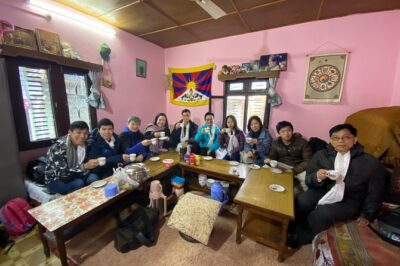
Full-Day Tibetan Cultural Tour to Tibetan Settlements Pokhara
Read our review →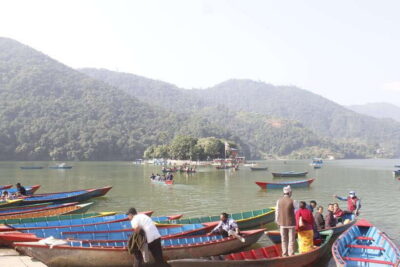
Full-Day Sharing Bus Tour on 7 Iconic Destination
Read our review →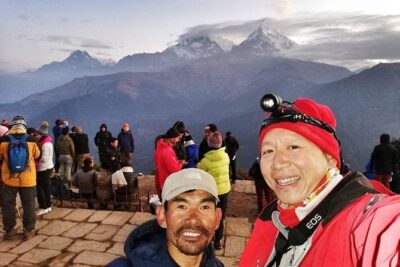
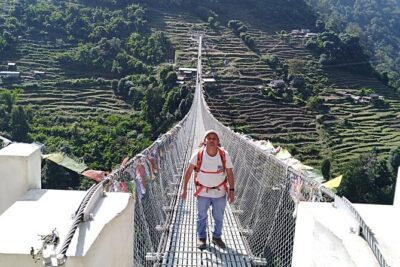
Trekking in Annapurna/Langtang/Everest/Upper Mustang regions
Read our review →This tour also appears in