
REVIEW · POKHARA TOURS
Pokhara: Nepali Cooking Class and Momo Making Workshop
Momos are the star here, but the real treat is cooking them in a Nepali family kitchen with an English-speaking Aama chef. You may also choose dal bhat, Nepal’s everyday rice, lentil, curry, and pickle meal. I like the hands-on work and the chance to learn where the food belongs in Nepali daily life, not just how to fold a dumpling.
I also like the small-group limit of eight, hotel pickup, and the flexible approach shown by the family. Guests have received tea, a printed certificate, tika on the forehead, and even a scarf. The only drawback is that this may not suit people with food allergies, and three hours can pass quickly if you want to cook several dishes.
Key points to know before booking
- Choose momos or dal bhat: Make chicken or vegetarian dumplings, or prepare the classic lentil-and-rice meal with curry.
- Cook with a local Aama: The family kitchen head teaches step by step in English and welcomes beginners.
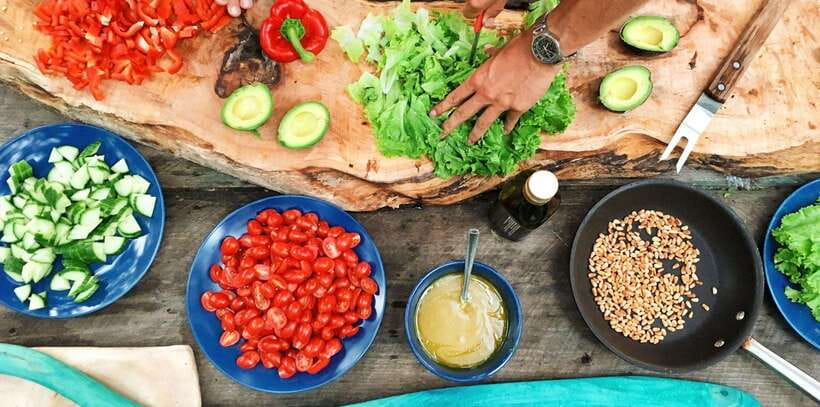
- Shop before you cook: The experience includes choosing vegetables, spices, and meat for the meal.
- Eat what you prepare: Your class ends with a proper meal, plus Nepali masala tea during the lesson.
- Expect a warm family setting: The father, mother, and children may all take part, giving the class a personal feel.
- Pokhara pickup is included: You are collected from your hotel with a name card and returned afterward.
What makes this Pokhara cooking class different
Pokhara has plenty of cafés aimed at visitors, but this class takes you closer to the food served in Nepali homes. You are not simply watching a chef plate a dish. You choose ingredients, handle the preparation, cook with guidance, and sit down to eat the result.
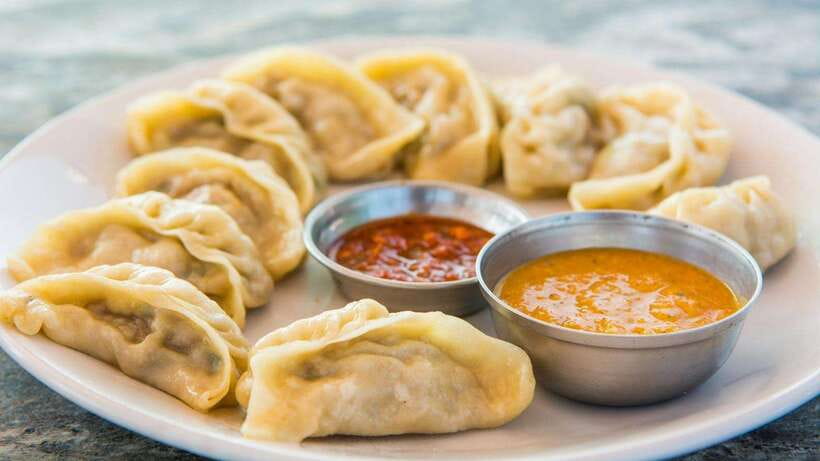
That order matters. I like learning why a dish is made a certain way while working through it. A momo is not just a dumpling. The filling, wrapper, folding method, steaming, and pickle all matter. Dal bhat is not merely rice with lentils, either. It is a complete meal built around familiar staples and accompanying curries.
The session is run by a local family connected with My Dream Adventure. The Aama chef is the main teacher, and the family’s English communication makes it possible to ask questions as you work. The setting is friendly rather than formal, which helps if you are nervous about cooking in front of others.
The group limit is eight people. That is small enough for personal help, though your exact experience will depend on how many people attend that day. If the group is full, you may have to share parts of the preparation. Still, the class is designed for both first-time cooks and people who already enjoy working in a kitchen.
More Cooking Classes in Pokhara:
- Nepalese Momos or Dal Bhat Cooking Class (Cook with Delight)
★ 5.0 · 99 reviews - Nepalese Kitchen in Pokhara: Momos or Dal Bhat Cooking Class
★ 5.0 · 67 reviews - MoMo or Dal Bhat Cooking Class at Aama Kitchen in Pokhara
★ 4.9 · 28 reviews
Starting with pickup and ingredient shopping
Your day begins with pickup in Pokhara. The provider collects you from your hotel using a name card, then returns you to Pokhara after the three-hour class. This is useful if you are staying away from the cooking location or do not want to spend time arranging a taxi.
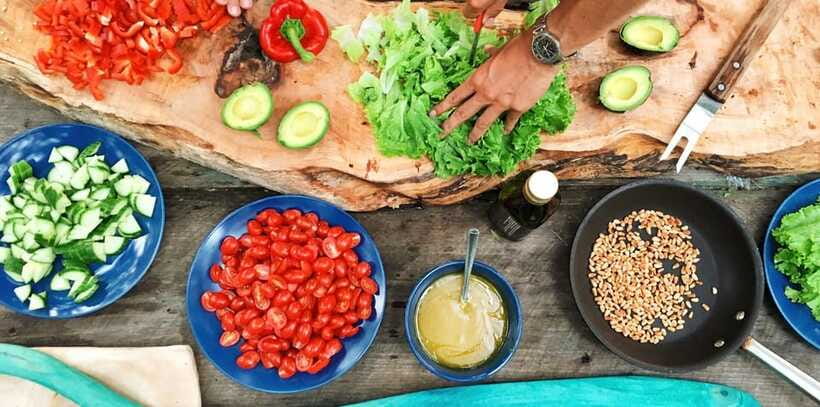
The food session includes a market visit to select vegetables, spices, and meat for the meal. This is one of the better parts of the plan because it gives you a practical look at the building blocks of Nepali cooking. You can see that a good meal starts well before the stove is turned on.
The activity information does not give a fixed market name or a detailed shopping route, so do not book it expecting a full market tour. The focus is on buying ingredients for the class. That keeps the outing useful and leaves most of your time for cooking.
Bring a camera if you want photos of the ingredients, kitchen, or finished dishes. Ask before photographing people, especially children. Comfortable clothes and shoes are sensible because you will be standing, handling food, and moving around a working kitchen.
Entering a traditional Nepali home kitchen
After shopping, you step into a traditional Nepali kitchen and meet the Aama chef. The family may join in, including the mother, father, and children. That family presence is a major part of the character of the class.
You should expect a home-style setting rather than a polished culinary school. That can mean a more personal lesson, with the teacher showing you the methods used in her own kitchen. It also means the surroundings may feel less standardized than a professional cooking studio.
The main instructor speaks English and gives step-by-step guidance. Several people have found her patient and clear, which is important when you are learning a technique such as momo folding. You can ask questions as you go instead of trying to copy every movement at once.
The family has also added personal touches for some groups. These have included a printed certificate of completion, tika placed on the forehead, and a scarf at the end. These extras are not listed as guaranteed inclusions, so treat them as possible family hospitality rather than promised parts of every booking.
Smoking is not allowed indoors. You should also tell the provider about dietary restrictions before the class. The experience is marked as unsuitable for people with food allergies, so anyone with a serious allergy should choose carefully and ask for clear information before paying.
Making momos, Nepal’s favorite cooking lesson
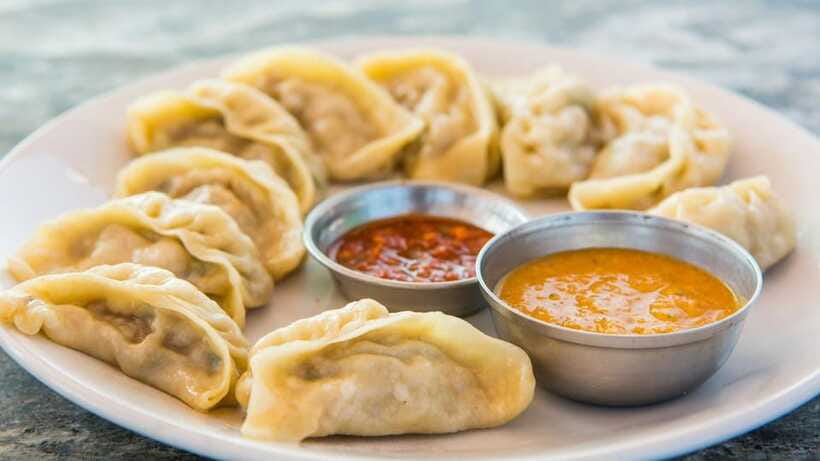
The momo option is likely to be the most popular choice. You choose between chicken and vegetarian fillings, then learn how to prepare the dumplings from the start. The class covers the ingredients, filling, wrapper, folding, and cooking process.
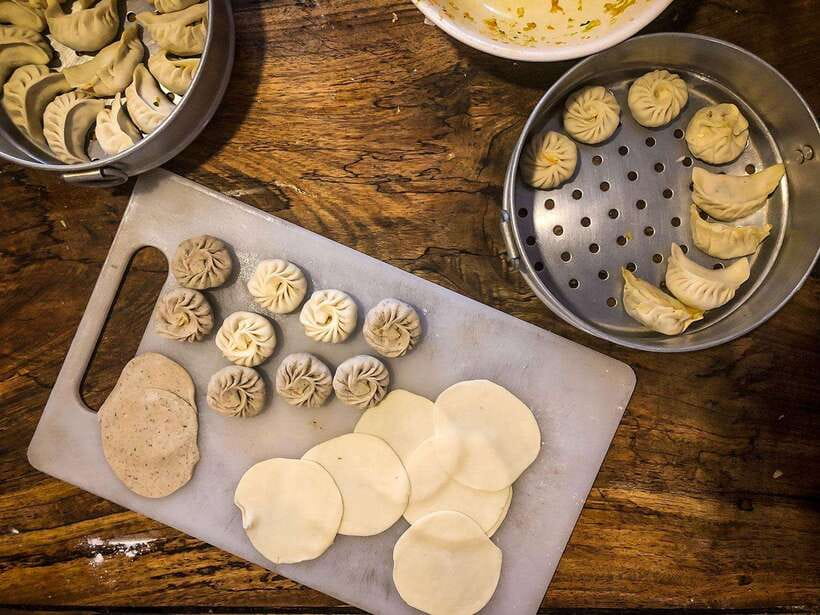
The folding is the part that takes patience. An experienced cook can make a neat shape quickly, while a beginner may need several attempts. That is exactly why a family-led lesson works well. You can watch the Aama chef’s hands, try the method yourself, and correct your shape as you go.
Do not expect every momo to look perfect. The point is to learn a repeatable technique and understand how the pieces fit together. A few uneven dumplings are part of the fun, and they will taste just as good once steamed.
The class also includes pickle, an important companion to momos. One participant singled out the momos and pickle as the best they had eaten in Nepal. That gives you a useful reason to pay attention to the condiment, not just the dumplings. Ask how the pickle balances heat, acidity, and spice, if the lesson time allows.
You then eat the momos you helped make. This is satisfying in a simple way: you can see the raw ingredients become a meal, and you get to judge your folding technique at the table.
More hands-on workshops in Pokhara:
- Pokhara: 3 Hour Authentic Nepali Thakali Dish Cooking Class
★ 5.0 · 10 reviews - Pokhara: 3 Hour MoMo cooking class
★ 4.5 · 10 reviews - Half day cooking class in Thamel kathmandu
★ 5.0 · 607 reviews - Kathmandu: Local Women-Led Nepali Cooking & Momo Class
★ 4.9 · 360 reviews
Choosing dal bhat for a fuller Nepali meal
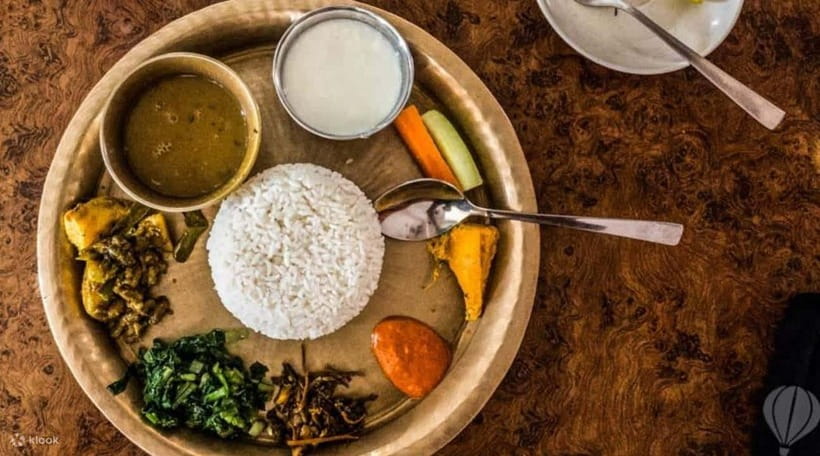
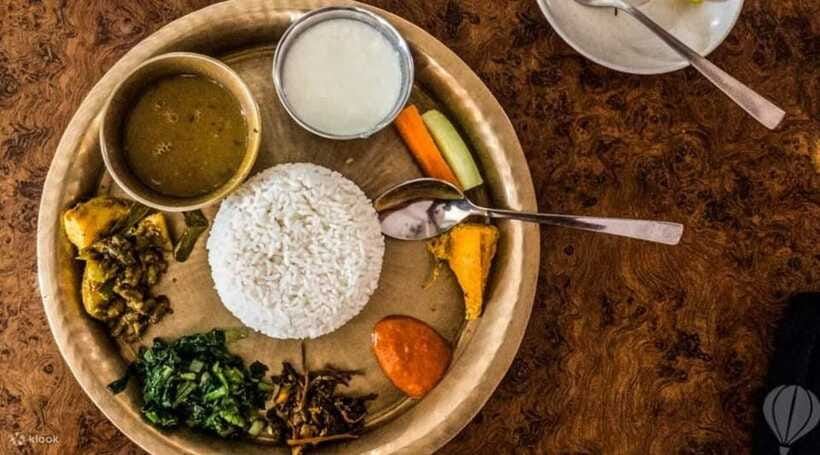
If you want a broader introduction to Nepali home food, choose dal bhat. The dish brings together rice, lentil soup, curry, and related sides. It is a cornerstone of Nepali dining, so it offers more cultural context than a single snack or dumpling.
The class teaches different cooking methods and the role of fresh local ingredients. You learn how the parts of the meal work together instead of treating dal, rice, and curry as separate restaurant items.
Dal bhat can be a good choice if you have already eaten momos during your time in Pokhara. It also suits you if you want to understand the meal many Nepali families rely on at home. One participant changed plans and selected dal bhat instead of the momo course, and the family accommodated the change.
Still, the class lasts three hours, so you should not expect an enormous menu. The experience gives you a focused lesson and a complete meal, not a full culinary program. If your main goal is to master momo folding, choose momos. If you want a wider view of everyday Nepali food, dal bhat is the stronger choice.
Masala tea, conversation, and the meal at the end
Nepali masala tea is included during the lesson. It gives you a break from chopping and shaping, and it adds another small piece of local food culture to the session. Some participants were also offered tea and Coca-Cola by the family, but those extras should not be treated as standard inclusions.
The final tasting session includes the dishes you prepared. Since the class provides the ingredients and equipment, you do not need to buy anything extra for the cooking itself. Alcoholic drinks are not included.
I like this finish because it turns the lesson into a shared meal. You are not rushed out after the last instruction. You have a chance to sit down, taste the result, and talk with the family or other people in the group.
The food is the main value, but the setting adds something that a restaurant meal cannot. You get to see how the family presents the dishes and how the meal feels in a household context. For many people, that personal exchange will be more memorable than another plate ordered in Lakeside.
The location and what to do afterward
The exact cooking address is not supplied, but the location is described as convenient for Lakeside. One participant noted that you can walk around Lakeside afterward and stop at the lake.
That makes the class easy to pair with a relaxed Pokhara afternoon. You could eat the meal, take a short walk, and continue exploring without arranging a separate major outing. If you are staying farther away, the family can return you by taxi, according to the experience details.
Do not assume the class includes sightseeing around Pokhara. The pickup, cooking session, meal, and return are the core plan. The Lakeside location is useful because it lets you add your own walk before or after the lesson.
Is $42 good value for three hours?
At $42 per person, this is not the cheapest way to eat momos in Pokhara. You could order a plate in a café for far less. The value comes from the instruction, shopping, ingredients, equipment, hotel transport, and the meal at the end.
You are also paying for access to a local family kitchen and an English-speaking teacher. For a first visit to Nepal, that cultural contact can make the price reasonable. You leave with a cooking method you can repeat at home, not only a full stomach.
The small group helps justify the cost. A limit of eight people gives you a better chance to receive individual help than a large demonstration class. The family’s flexibility also matters. Last-minute bookings and a change from momos to dal bhat have been accommodated, though you should never rely on a change being possible without asking.
The printed certificate, tika, and scarf are charming additions when offered, but I would not use them to judge the price. Book this for the food lesson and family welcome. Consider the extras a bonus.
Who will enjoy this most
This class suits you if you want a practical activity in Pokhara and enjoy meeting local people. It is especially good for:
- First-time cooks who want patient, step-by-step help
- Experienced home cooks looking for a Nepali technique
- People who want to learn momos rather than simply order them
- Couples, families, and small groups seeking a shared activity
- Visitors who want a home meal and local conversation
- Anyone who wants a quieter cultural experience than a large group tour
It may be less suitable if you have severe food allergies, need a highly controlled kitchen, or want a long professional cooking course. The class is only three hours, and the focus is on a few typical dishes.
The activity is wheelchair accessible according to the booking information. You should still mention any mobility needs when booking, since the details of the kitchen layout and market access are not provided.
Booking details that matter
The lesson runs for three hours, with starting times available according to the date you choose. Pickup and drop-off are included from your Pokhara hotel, with collection arranged using your name card.
The instructor language is English. The group size is limited to eight. You can reserve now and pay later, which helps if your Pokhara schedule depends on weather or trekking plans.
Free cancellation is available up to 24 hours before the activity for a full refund. Check the starting time and give dietary information in advance. Wear clothes and shoes that are comfortable for cooking, and do not smoke indoors.
Should you book this cooking class?
I would book it if you want more than a restaurant meal and have three free hours in Pokhara. The strongest reasons are the family setting, the patient English-speaking Aama chef, the chance to make momos or dal bhat yourself, and the meal you share afterward.
Choose the momo option for a focused, enjoyable lesson with a clear skill to take home. Choose dal bhat if you want a better sense of an everyday Nepali meal. Skip it if food allergies make a home kitchen risky or if you prefer a formal cooking school with fixed menus and professional equipment.
At $42, the experience is priced for the full package rather than the food alone. For a small group, hotel transport, instruction, ingredients, tea, and a home-cooked meal, it offers fair value. The family’s warm touches, including possible tika and a certificate, make it feel personal without being the reason to book.
FAQ
How long does the Pokhara cooking class last?
The cooking class lasts three hours.
What dishes can I learn to cook?
You can choose between momo dumplings with chicken or vegetarian fillings and dal bhat, a meal of rice, lentil soup, curry, and related sides.
Is hotel pickup included?
Yes. Pickup and drop-off in Pokhara are included. The provider collects you from your hotel with a name card.
What language does the instructor speak?
The instructor teaches in English.
Are ingredients and cooking equipment provided?
Yes. All cooking ingredients and equipment needed for the class are included.
Can beginners join the class?
Yes. The class is suitable for beginners as well as experienced cooks, with step-by-step instruction.
Are food allergies accommodated?
The activity is listed as unsuitable for people with food allergies. You should provide information about any dietary restrictions in advance.
Recently added around Pokhara
- Paragliding in Pokhara★ 5.0 · 3 reviews
- Pokhara: 5-Day Annapurna Base Camp Trek with Hot Spring★ 5.0 · 3 reviews
- Pokhara:4-Day Ghorepani Poon Hill Guided Trek via Ghandruk★ 5.0 · 3 reviews
- Pokhara: 7-Day Annapurna Base Camp Trek via Ghandruk★ 4.3 · 3 reviews
- Peace & Panorama: Stupa and Pumdikot Scenic Drive Tour★ 3.6 · 3 reviews
- Beautiful Sarankot Sunrise with Full Day Sightseeing in Pokhara★ 4.5 · 3 reviews
- 3 Day Australian Camp Dhampus Ghandruk Easy Trek in Pokhara★ 3.5 · 3 reviews
- Overnight Dhampus Australian Camp Easy Hiking from Pokhara★ 5.0 · 3 reviews
Other Pokhara Tours worth a look
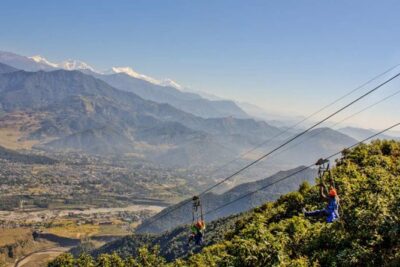
ZipFlyer Nepal – The World’s Steepest Zip-line
Read our review →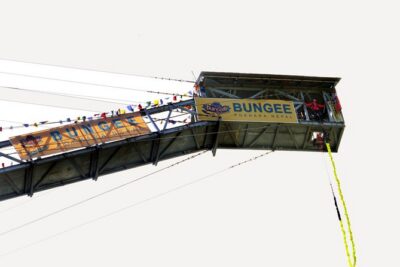
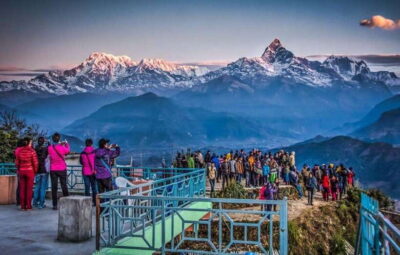
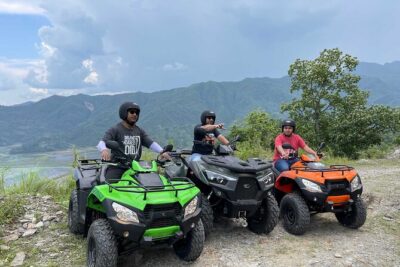
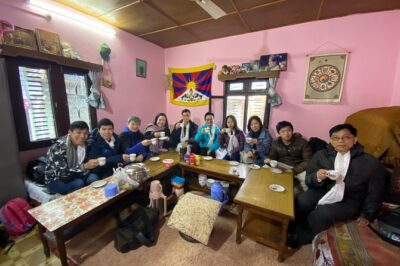
Full-Day Tibetan Cultural Tour to Tibetan Settlements Pokhara
Read our review →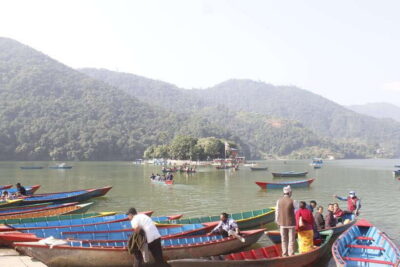
Full-Day Sharing Bus Tour on 7 Iconic Destination
Read our review →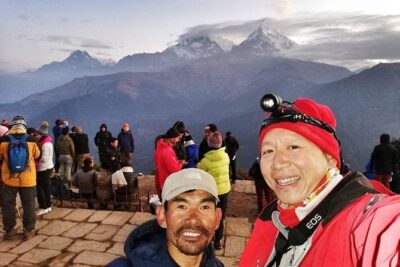
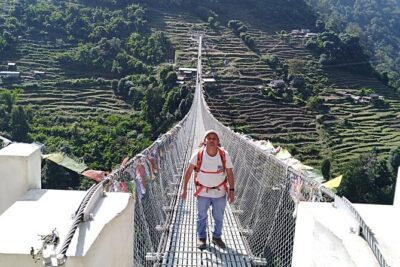
Trekking in Annapurna/Langtang/Everest/Upper Mustang regions
Read our review →This tour also appears in